
Politics
Labour Candidate Advocates for Transformative ID Card Scheme


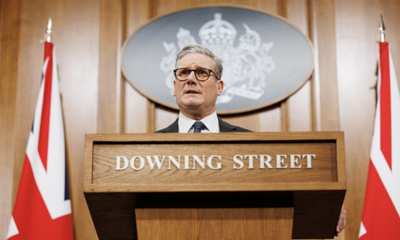
Proposals to introduce identity cards for adults across the UK have sparked a significant debate, particularly in Shetland. Labour’s Holyrood election candidate, John Erskine, has defended these controversial plans put forth by Prime Minister Sir Keir Starmer, asserting that they will be “transformative” for the region.
During a recent statement, Erskine emphasized the potential benefits of a secure, free digital ID system. He argued that such a system could greatly enhance access to public services for residents in remote areas like Shetland and the broader Highlands and Islands. “Too often, we face extra barriers in accessing public services because of geography, distance, and bureaucracy,” he said.
The candidate highlighted that everyday tasks, such as proving one’s age or applying for benefits, can become unnecessarily complicated for those living far from government offices. He believes this new scheme will simplify these processes, reducing paperwork and ensuring that communities are not disadvantaged. “By putting more power in people’s hands, digital ID can help level the playing field for remote and rural areas while keeping people’s data secure,” he added.
Erskine’s remarks come in response to criticism from opposition figures, including Alistair Carmichael. The MP for the isles has condemned the ID card proposals, suggesting they represent an overreach of authority. Similarly, Shetland Green councillor Alex Armitage has voiced his opposition, describing the initiative as “an attack on our democracy.”
Armitage pointed out that while people currently have control over their use of documents like driving licenses and passports, a mandatory ID card system could undermine personal freedoms. He expressed concern that this move signals an authoritarian trend within the Labour government, especially given the current political climate.
Erskine responded vigorously to the criticisms, particularly from the Scottish National Party (SNP) and First Minister John Swinney. He accused the SNP of failing to reform or invest in public services over the last 18 years, leading to the current challenges facing Scotland’s public sector. “Instead of standing in the way, the SNP should be backing practical reforms like this that can genuinely make life easier for people across Shetland, the Highlands and Islands, and Scotland,” he stated.
The debate over the proposed ID cards touches on broader themes of accessibility and governance, particularly for those in rural areas. As discussions continue, the implications of such a system will likely remain a focal point in the lead-up to the upcoming elections.











Belfast Gears Up for Vibrant St Patrick’s Day Parade on March 17

Cuba Faces Nationwide Blackout Amid Deepening Energy Crisis

Wirral Council to Restructure Leadership, Cutting Two Top Roles

Rethinking Resistance Training: Key Insights from US Experts

EU Membership on the Horizon: What It Means for Citizens

Ukrainian Drone Swarms Strike Moscow Region for Second Day

Henley Launches Innovative Initiative to Boost Local Economy

Court Ruling Allows Pandemic Tax Refund Claims Until 2026

Sean Penn’s Absence at 2026 Oscars Sparks Discussion

Coronation Street’s Shocking Murder Twist Reveals Family Secrets

Andrew Pierce Confirms Departure from ITV’s Good Morning Britain

Katie Price Faces New Health Concerns After Cancer Symptoms Resurface

Gyles Brandreth Shares Grandson’s Cancer Battle and Recovery

Sue Radford Reveals Weight Loss Journey, Shedding 12–13 kg

Kate Garraway Sells £2 Million Home Amid Financial Struggles

Jordan Brook Faces Health Crisis in Hospital as Sophie Kasaei Stays Away

EastEnders’ Nicola Mitchell Faces Unexpected Pregnancy Crisis

Reddit Study Reveals Distinctions Between Lurkers and Power Users
-
 World8 months ago
Coronation Street’s Shocking Murder Twist Reveals Family Secrets
-
 Entertainment8 months ago
Andrew Pierce Confirms Departure from ITV’s Good Morning Britain
-
 Health11 months ago
Katie Price Faces New Health Concerns After Cancer Symptoms Resurface
-
 Health6 months ago
Gyles Brandreth Shares Grandson’s Cancer Battle and Recovery
-
 Health6 months ago
Sue Radford Reveals Weight Loss Journey, Shedding 12–13 kg
-
 Entertainment12 months ago
Kate Garraway Sells £2 Million Home Amid Financial Struggles
-
 Entertainment4 months ago
Jordan Brook Faces Health Crisis in Hospital as Sophie Kasaei Stays Away
-
 World9 months ago
EastEnders’ Nicola Mitchell Faces Unexpected Pregnancy Crisis
-
 Science8 months ago
Reddit Study Reveals Distinctions Between Lurkers and Power Users
-

 World8 months ago
Mother Charged After Son, 9, Killed in Tragic Incident in Italy
-

 Entertainment11 months ago
Ann Ming Reflects on ITV’s ‘I Fought the Law’ Drama
-

 World8 months ago
Bailey Announces Heartbreaking Split from Rebecca After Reunion