
Science
Cambridge Academics Challenge Changes to Research Funding Model

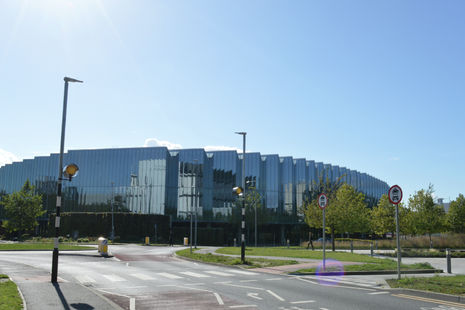
Academics from the University of Cambridge are among over 1,000 signatories of an open letter expressing serious concerns regarding changes to the funding model of UK Research and Innovation (UKRI). This public body, which allocates approximately £8 billion annually to research projects in the United Kingdom, is shifting its focus towards commercialisation, raising alarms about the impact on early-career scientists.
In a statement earlier this month, UKRI’s Chief Executive, Professor Sir Chapman, indicated that the organisation is facing “hard decisions” about future funding allocations. He noted that while funding for “curiosity-driven” research would remain static, it would effectively decrease in real terms due to inflation. This shift is part of a broader directive from the government asking UKRI’s eight research councils, including the Science and Technology Facilities Council, to identify savings and restructure their funding models. Professor Chapman anticipates these changes will be fully implemented by April 2027.
Concerns about the long-term implications of these funding changes are voiced strongly in the open letter, which is primarily signed by early-career researchers from fields such as particle physics, astronomy, and nuclear physics. Professor Oleg Brandt from the Department of Physics warned that these measures could cut funding by approximately 30%, compounding a 25% reduction experienced over the last decade. He stated, “This essentially translates into killing the Hawking and Higgs legacy.”
The letter emphasizes that the new funding framework risks undermining the UK’s foundational capability in fundamental science, particularly affecting early-career researchers. It highlights that many technologies supporting the UK economy—ranging from computing and communications to artificial intelligence—originated from fundamental research that required time before their commercial relevance was recognized.
Dr. Anke Andersen-Arentsen, a research associate at the Institute of Astronomy, noted that although the full implications of the new framework are not yet clear, it is already reducing job opportunities and may continue to drive talented researchers out of the field. She expressed concern about the existing team working at full capacity, stating that potential funding reductions would add further pressure.
The letter calls for UKRI to evaluate the viability of curiosity-driven research based on its contribution to skills formation, rather than solely on its perceived commercial value. It also advocates for increased representation of early-career researchers in decision-making roles, asserting that these individuals are best positioned to reflect the health of the research system.
Postdoctoral research assistant Eleftheria Malawi commented on the potential damage to the careers of young researchers facing job insecurity. She warned that the uncertainty surrounding funding could hinder Cambridge’s ability to attract skilled researchers essential for fostering knowledge and innovation.
Dr. Lisa Kelsey, an early-career fellow at the Kavli Institute for Cosmology, cautioned that the changes could result in the loss of a generation of scientific talent. Many researchers are reportedly considering relocating abroad or exiting academia entirely due to the uncertainty stemming from the new UKRI funding framework.
Dr. Jack Gargan, a postdoctoral research associate in high-energy physics, pointed out that early-career contracts are likely to be the first casualties in the face of funding cuts. He emphasized that curiosity-driven research is not merely a luxury but is central to scientific and technological advancement.
The open letter serves as a critical call to action for UKRI and government officials to reconsider the implications of the funding changes on the future of scientific research in the UK. With early-career researchers stating their concerns about job security and the sustainability of their fields, the stakes are high for the future of UK science.







Belfast Gears Up for Vibrant St Patrick’s Day Parade on March 17

Cuba Faces Nationwide Blackout Amid Deepening Energy Crisis

Wirral Council to Restructure Leadership, Cutting Two Top Roles

Rethinking Resistance Training: Key Insights from US Experts

EU Membership on the Horizon: What It Means for Citizens

Ukrainian Drone Swarms Strike Moscow Region for Second Day

Henley Launches Innovative Initiative to Boost Local Economy

Court Ruling Allows Pandemic Tax Refund Claims Until 2026

Sean Penn’s Absence at 2026 Oscars Sparks Discussion

Coronation Street’s Shocking Murder Twist Reveals Family Secrets

Andrew Pierce Confirms Departure from ITV’s Good Morning Britain

Katie Price Faces New Health Concerns After Cancer Symptoms Resurface

Gyles Brandreth Shares Grandson’s Cancer Battle and Recovery

Sue Radford Reveals Weight Loss Journey, Shedding 12–13 kg

Kate Garraway Sells £2 Million Home Amid Financial Struggles

Jordan Brook Faces Health Crisis in Hospital as Sophie Kasaei Stays Away

EastEnders’ Nicola Mitchell Faces Unexpected Pregnancy Crisis

Reddit Study Reveals Distinctions Between Lurkers and Power Users
-
 World8 months ago
Coronation Street’s Shocking Murder Twist Reveals Family Secrets
-
 Entertainment8 months ago
Andrew Pierce Confirms Departure from ITV’s Good Morning Britain
-
 Health11 months ago
Katie Price Faces New Health Concerns After Cancer Symptoms Resurface
-
 Health6 months ago
Gyles Brandreth Shares Grandson’s Cancer Battle and Recovery
-
 Health6 months ago
Sue Radford Reveals Weight Loss Journey, Shedding 12–13 kg
-
 Entertainment12 months ago
Kate Garraway Sells £2 Million Home Amid Financial Struggles
-
 Entertainment5 months ago
Jordan Brook Faces Health Crisis in Hospital as Sophie Kasaei Stays Away
-
 World9 months ago
EastEnders’ Nicola Mitchell Faces Unexpected Pregnancy Crisis
-
 Science8 months ago
Reddit Study Reveals Distinctions Between Lurkers and Power Users
-

 World8 months ago
Mother Charged After Son, 9, Killed in Tragic Incident in Italy
-

 Entertainment11 months ago
Ann Ming Reflects on ITV’s ‘I Fought the Law’ Drama
-

 World8 months ago
Bailey Announces Heartbreaking Split from Rebecca After Reunion