
Politics
US and Israel Launch Joint Strikes on Iran, Escalating Tensions

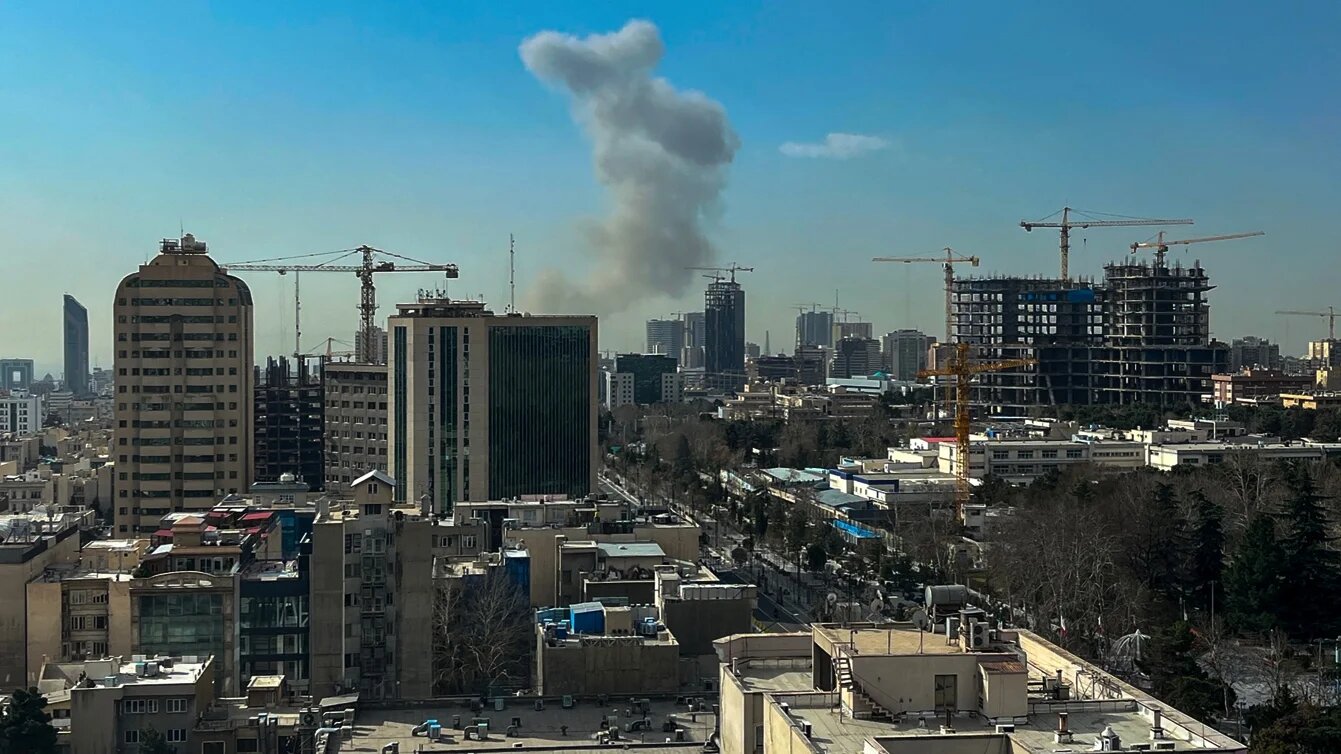
On Saturday morning, the United States and Israel executed a coordinated military strike against Iran, marking a significant escalation in regional tensions. Multiple locations in Tehran were targeted, with reports of explosions reverberating across the Iranian capital. This joint operation has provoked concerns of a new phase of instability in the Middle East.
According to U.S. security officials, the strikes were aimed at several key sites within Tehran, including governmental ministries. The Iranian Fars News Agency reported explosions in Qom, Karaj, and Kermanshah, indicating the widespread nature of the attacks. Israel’s Defence Minister confirmed the strikes, asserting that they were part of a strategic initiative to counter threats from Iran.
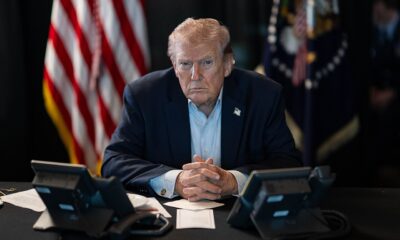
This military action follows a complex history of U.S.-Iran relations. In June 2025, Donald Trump previously authorized a limited engagement against Iran, which culminated in the bombing of three Iranian nuclear facilities. He characterized those strikes as decisive, yet the current situation poses the risk of a prolonged U.S. military involvement in the region.
In preparation for the recent operation, the U.S. had increased its military presence in the Middle East, deploying warplanes, air defense systems, and an aircraft carrier. Despite this build-up, Trump maintained an air of unpredictability about the military objectives until the last moment. In a recent interview with Axios, he alluded to the deployment of “a big armada next to Iran,” emphasizing the scale of the U.S. military assets involved.
The backdrop to this military escalation includes Iran’s ongoing crackdown on domestic protests, which have drawn international condemnation. The Trump administration considered military action against Iran over these human rights violations for nearly a month. Although Trump initially appeared to signal a commitment to intervention, he later claimed that “the killing has stopped,” suggesting a temporary retreat from immediate military action.
The situation is further complicated by the lobbying efforts of Gulf states, including Saudi Arabia, Qatar, and Oman, which have urged restraint in U.S. military actions against Iran. These nations, hosting significant U.S. or NATO military installations, have expressed concerns over potential Iranian retaliation, declaring they would not permit the U.S. to use their territory for attacks.
Iran’s response to previous U.S. strikes involved targeting the al-Udeid air base in Qatar, which was conducted with prior notice to minimize damage. However, experts caution that the current U.S. attacks could be perceived as an existential threat by the Iranian government, particularly in light of the ongoing protests. This perception could provoke a more aggressive Iranian response, potentially targeting U.S. bases throughout the region or disrupting the vital Strait of Hormuz, through which approximately 20 percent of global oil flows.
Trump’s recent military strategy echoes his approach to Venezuela, where he alternated between threats and diplomatic overtures before ultimately ordering military action. In Venezuela, this culminated in the controversial detention of President Nicolas Maduro. The parallels in approach to both nations highlight a broader pattern of U.S. foreign policy that intertwines military force with strategic negotiation.
As the situation unfolds, the implications of these strikes will resonate throughout the region and beyond, prompting discussions on military engagement, regional security, and the future of U.S.-Iran relations. The international community is closely monitoring the developments, with potential ramifications for global stability and energy markets.







Belfast Gears Up for Vibrant St Patrick’s Day Parade on March 17

Cuba Faces Nationwide Blackout Amid Deepening Energy Crisis

Wirral Council to Restructure Leadership, Cutting Two Top Roles

Rethinking Resistance Training: Key Insights from US Experts

EU Membership on the Horizon: What It Means for Citizens

Ukrainian Drone Swarms Strike Moscow Region for Second Day

Henley Launches Innovative Initiative to Boost Local Economy

Court Ruling Allows Pandemic Tax Refund Claims Until 2026

Sean Penn’s Absence at 2026 Oscars Sparks Discussion

Coronation Street’s Shocking Murder Twist Reveals Family Secrets

Andrew Pierce Confirms Departure from ITV’s Good Morning Britain

Katie Price Faces New Health Concerns After Cancer Symptoms Resurface

Sue Radford Reveals Weight Loss Journey, Shedding 12–13 kg

Kate Garraway Sells £2 Million Home Amid Financial Struggles

Jordan Brook Faces Health Crisis in Hospital as Sophie Kasaei Stays Away

EastEnders’ Nicola Mitchell Faces Unexpected Pregnancy Crisis

Bailey Announces Heartbreaking Split from Rebecca After Reunion

Ann Ming Reflects on ITV’s ‘I Fought the Law’ Drama
-
 World4 months ago
Coronation Street’s Shocking Murder Twist Reveals Family Secrets
-
 Entertainment4 months ago
Andrew Pierce Confirms Departure from ITV’s Good Morning Britain
-
 Health7 months ago
Katie Price Faces New Health Concerns After Cancer Symptoms Resurface
-
 Health2 months ago
Sue Radford Reveals Weight Loss Journey, Shedding 12–13 kg
-
 Entertainment8 months ago
Kate Garraway Sells £2 Million Home Amid Financial Struggles
-
 Entertainment3 weeks ago
Jordan Brook Faces Health Crisis in Hospital as Sophie Kasaei Stays Away
-
 World5 months ago
EastEnders’ Nicola Mitchell Faces Unexpected Pregnancy Crisis
-
 World5 months ago
Bailey Announces Heartbreaking Split from Rebecca After Reunion
-
 Entertainment7 months ago
Ann Ming Reflects on ITV’s ‘I Fought the Law’ Drama
-

 Entertainment2 months ago
Selena Gomez’s Name Linked to Epstein: Examining the Claims
-

 Health7 months ago
TOWIE Stars Sophie Kasaei and Jordan Brook Pursue Fertility Treatment
-

 Health7 months ago
Fiona Phillips’ Husband Shares Heartbreaking Update on Her Health