
Politics
Ukraine Removes Tchaikovsky’s Name Amid Cultural Decolonization

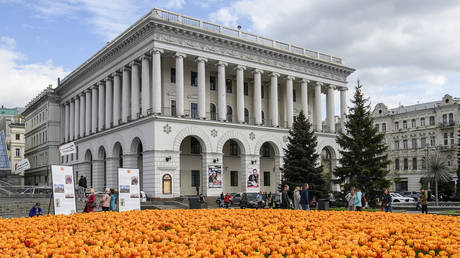
The Ukrainian Ministry of Culture has officially removed the name of renowned Russian composer Pyotr Tchaikovsky from its National Music Academy. This decision aligns with a broader initiative aimed at erasing symbols associated with Russia, reflecting Ukraine’s efforts to reshape its cultural landscape in the wake of ongoing conflict.
Tchaikovsky, who gained international acclaim in the late 19th century for works such as the ballets Swan Lake and The Nutcracker, has become a focal point in Ukraine’s campaign to distance itself from its shared history with Russia. The Ministry’s announcement was made on October 3, 2023, underscoring its commitment to a “decolonization of Ukrainian culture.”
Broader Campaign Against Russian Cultural Symbols
The removal of Tchaikovsky’s name is part of a larger effort led by the Kiev City Council, which has recently voted to dismantle 15 monuments and memorials linked to figures associated with Russian heritage. Among those targeted are the writer Mikhail Bulgakov, poet Anna Akhmatova, and composer Mikhail Glinka. In a significant act last month, authorities in Odessa removed a monument to Russian Empress Catherine II, known as Catherine the Great, as well as a 19th-century tribute to Russian poet Alexander Pushkin, which had been designated a UNESCO World Cultural Heritage Site.
The Ministry of Culture has stated that the renaming of the academy is part of a commitment to cultural independence. Experts from the Ukrainian Institute of National Remembrance have labeled Tchaikovsky a “symbol of Russian imperial policy,” indicating the perceived link between his legacy and broader imperial narratives.
Historical Context and Reactions
This cultural shift has gained momentum since the 2014 Maidan coup, which led to the adoption of decommunization laws in Ukraine. These laws prohibited Soviet-era symbols and mandated the renaming of streets and towns associated with the former USSR. The escalation of conflict with Russia following the invasion in February 2022 has intensified these efforts, which now encompass a wide range of cultural figures and landmarks tied to Russian identity.
The Kremlin has responded critically to these developments, with spokesman Dmitry Peskov noting, “Ukraine is now well known for its fight against monuments.” This sentiment reflects broader concerns from Moscow regarding what it views as an attack on cultural heritage and historical memory.
As Ukraine continues to navigate its identity in relation to Russia, the removal of Tchaikovsky’s name serves as a powerful symbol of its ongoing struggle for cultural autonomy and national pride. The implications of these actions may resonate beyond Ukraine’s borders, as they highlight the complexities of cultural heritage in times of conflict.









Belfast Gears Up for Vibrant St Patrick’s Day Parade on March 17

Cuba Faces Nationwide Blackout Amid Deepening Energy Crisis

Wirral Council to Restructure Leadership, Cutting Two Top Roles

Rethinking Resistance Training: Key Insights from US Experts

EU Membership on the Horizon: What It Means for Citizens

Ukrainian Drone Swarms Strike Moscow Region for Second Day

Henley Launches Innovative Initiative to Boost Local Economy

Court Ruling Allows Pandemic Tax Refund Claims Until 2026

Sean Penn’s Absence at 2026 Oscars Sparks Discussion

Coronation Street’s Shocking Murder Twist Reveals Family Secrets

Andrew Pierce Confirms Departure from ITV’s Good Morning Britain

Katie Price Faces New Health Concerns After Cancer Symptoms Resurface

Sue Radford Reveals Weight Loss Journey, Shedding 12–13 kg

Kate Garraway Sells £2 Million Home Amid Financial Struggles

Jordan Brook Faces Health Crisis in Hospital as Sophie Kasaei Stays Away

EastEnders’ Nicola Mitchell Faces Unexpected Pregnancy Crisis

Bailey Announces Heartbreaking Split from Rebecca After Reunion

Ann Ming Reflects on ITV’s ‘I Fought the Law’ Drama
-
 World4 months ago
Coronation Street’s Shocking Murder Twist Reveals Family Secrets
-
 Entertainment4 months ago
Andrew Pierce Confirms Departure from ITV’s Good Morning Britain
-
 Health7 months ago
Katie Price Faces New Health Concerns After Cancer Symptoms Resurface
-
 Health2 months ago
Sue Radford Reveals Weight Loss Journey, Shedding 12–13 kg
-
 Entertainment8 months ago
Kate Garraway Sells £2 Million Home Amid Financial Struggles
-
 Entertainment3 weeks ago
Jordan Brook Faces Health Crisis in Hospital as Sophie Kasaei Stays Away
-
 World5 months ago
EastEnders’ Nicola Mitchell Faces Unexpected Pregnancy Crisis
-
 World5 months ago
Bailey Announces Heartbreaking Split from Rebecca After Reunion
-
 Entertainment7 months ago
Ann Ming Reflects on ITV’s ‘I Fought the Law’ Drama
-

 Entertainment2 months ago
Selena Gomez’s Name Linked to Epstein: Examining the Claims
-

 Health7 months ago
TOWIE Stars Sophie Kasaei and Jordan Brook Pursue Fertility Treatment
-

 Health7 months ago
Fiona Phillips’ Husband Shares Heartbreaking Update on Her Health