
Politics
U.S.-Israel Operations Against Iran Spark Rapid Regional Tensions

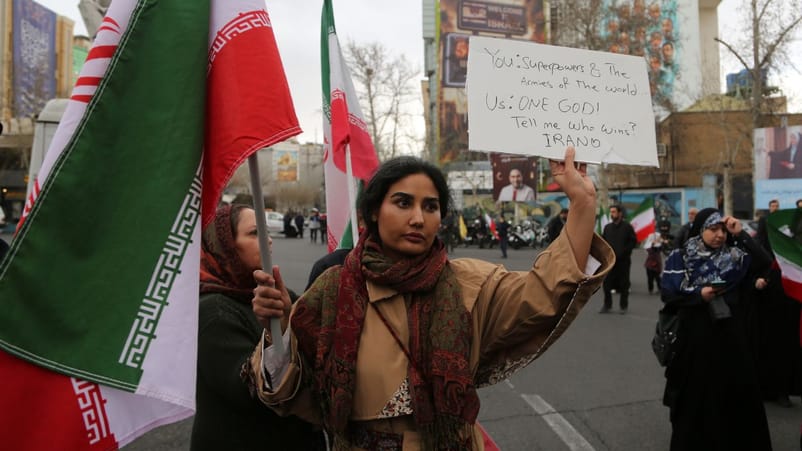
A series of coordinated military strikes against Iran has initiated a complex confrontation involving the United States and Israel, generating immediate regional repercussions. The operations commenced early on the first working day of Iran’s calendar week, targeting approximately thirty locations across Tehran, including leadership residences and intelligence headquarters. This strategic choice aims to disrupt administrative functions and complicate command structures during peak hours.
The current military campaign reveals significant differences from previous confrontations, particularly the 12-Day War, characterized by a decapitation strategy that prioritizes leadership and intelligence targets over peripheral military capabilities. Initial reports indicate that the strikes included facilities near the Supreme Leader’s office, which marks a qualitative shift in operational intent.
The timing of these operations is notable. Unlike earlier night strikes meant for tactical surprise, these attacks were launched in the morning, enhancing their potential impact on Iran’s governance and military response. The U.S. is reportedly involved from the outset, framing the operations as pre-emptive measures to protect American personnel and interests. However, the scale of the strikes suggests that regime destabilization is a significant objective of the campaign.
Iran’s response has been swift, with missile launches reported within hours, targeting cities like Tel Aviv and Haifa. Official statements from Iranian authorities indicate a departure from previous constraints, implying that operational commanders were given pre-delegated authority to act without awaiting political approval. This rapid escalation raises concerns about a multi-theatre conflict, as strikes have also been reported in Gulf Cooperation Council states, targeting U.S. facilities.
The current situation is further complicated by the resumption of Houthi attacks in the Red Sea, indicating that the conflict is not confined to bilateral exchanges but involves multiple fronts, including the Levant and Gulf regions. These developments create a markedly unstable conflict environment compared to past confrontations.
Implications for India
The crisis poses immediate challenges for India, particularly concerning energy security and the safety of its significant diaspora in the Gulf region. India relies heavily on Gulf hydrocarbons, and any disruption in the Strait of Hormuz could lead to increased crude prices and heightened insurance premiums. Such market fluctuations could exacerbate India’s current account deficit.
With over eight million Indians residing in Gulf countries, escalations involving GCC states could necessitate evacuation plans reminiscent of past conflicts in Iraq and Kuwait. Furthermore, instability in the region could disrupt remittance flows, which are vital to many households back home.
Indian trade routes through the Arabian Sea and Red Sea are also at risk. Increased Houthi activity threatens maritime security, particularly through critical chokepoints like Bab el-Mandeb. Prolonged missile threats could escalate freight rates and delay cargo deliveries to Europe and the Mediterranean.
India’s strategic balancing act becomes increasingly complex as it maintains relationships with Israel, Iran, the United States, and Gulf monarchies. A widening conflict may constrict India’s diplomatic space, requiring careful positioning to safeguard its interests, including the vital Chabahar Port project and the International North-South Transport Corridor.
In terms of defense and security, a sustained regional conflict could shift U.S. military focus away from the Indo-Pacific, impacting India’s crisis response capabilities. Additionally, increased Iranian proxy activity could pose cyber threats to U.S. and Israeli interests globally.
The potential for higher energy prices poses inflationary risks that could complicate India’s fiscal management and growth projections. In response, India’s strategic priorities will likely focus on ensuring energy and maritime continuity, protecting its diaspora, and maintaining diplomatic flexibility.
As the situation develops over the next 72 to 96 hours, the trajectory of these escalations will be critical in determining whether the conflict stabilizes into managed exchanges or spirals into a broader regional war. The implications for India and the wider region will be profound, requiring a coordinated response to navigate this evolving crisis.







Belfast Gears Up for Vibrant St Patrick’s Day Parade on March 17

Cuba Faces Nationwide Blackout Amid Deepening Energy Crisis

Wirral Council to Restructure Leadership, Cutting Two Top Roles

Rethinking Resistance Training: Key Insights from US Experts

EU Membership on the Horizon: What It Means for Citizens

Ukrainian Drone Swarms Strike Moscow Region for Second Day

Henley Launches Innovative Initiative to Boost Local Economy

Court Ruling Allows Pandemic Tax Refund Claims Until 2026

Sean Penn’s Absence at 2026 Oscars Sparks Discussion

Coronation Street’s Shocking Murder Twist Reveals Family Secrets

Andrew Pierce Confirms Departure from ITV’s Good Morning Britain

Katie Price Faces New Health Concerns After Cancer Symptoms Resurface

Sue Radford Reveals Weight Loss Journey, Shedding 12–13 kg

Kate Garraway Sells £2 Million Home Amid Financial Struggles

Jordan Brook Faces Health Crisis in Hospital as Sophie Kasaei Stays Away

EastEnders’ Nicola Mitchell Faces Unexpected Pregnancy Crisis

Bailey Announces Heartbreaking Split from Rebecca After Reunion

Ann Ming Reflects on ITV’s ‘I Fought the Law’ Drama
-
 World4 months ago
Coronation Street’s Shocking Murder Twist Reveals Family Secrets
-
 Entertainment4 months ago
Andrew Pierce Confirms Departure from ITV’s Good Morning Britain
-
 Health7 months ago
Katie Price Faces New Health Concerns After Cancer Symptoms Resurface
-
 Health2 months ago
Sue Radford Reveals Weight Loss Journey, Shedding 12–13 kg
-
 Entertainment8 months ago
Kate Garraway Sells £2 Million Home Amid Financial Struggles
-
 Entertainment3 weeks ago
Jordan Brook Faces Health Crisis in Hospital as Sophie Kasaei Stays Away
-
 World5 months ago
EastEnders’ Nicola Mitchell Faces Unexpected Pregnancy Crisis
-
 World5 months ago
Bailey Announces Heartbreaking Split from Rebecca After Reunion
-
 Entertainment7 months ago
Ann Ming Reflects on ITV’s ‘I Fought the Law’ Drama
-

 Entertainment2 months ago
Selena Gomez’s Name Linked to Epstein: Examining the Claims
-

 Health7 months ago
TOWIE Stars Sophie Kasaei and Jordan Brook Pursue Fertility Treatment
-

 Health7 months ago
Fiona Phillips’ Husband Shares Heartbreaking Update on Her Health