
Politics
Trump’s Stark Warning: Iran Faces Severe Consequences if Threatened

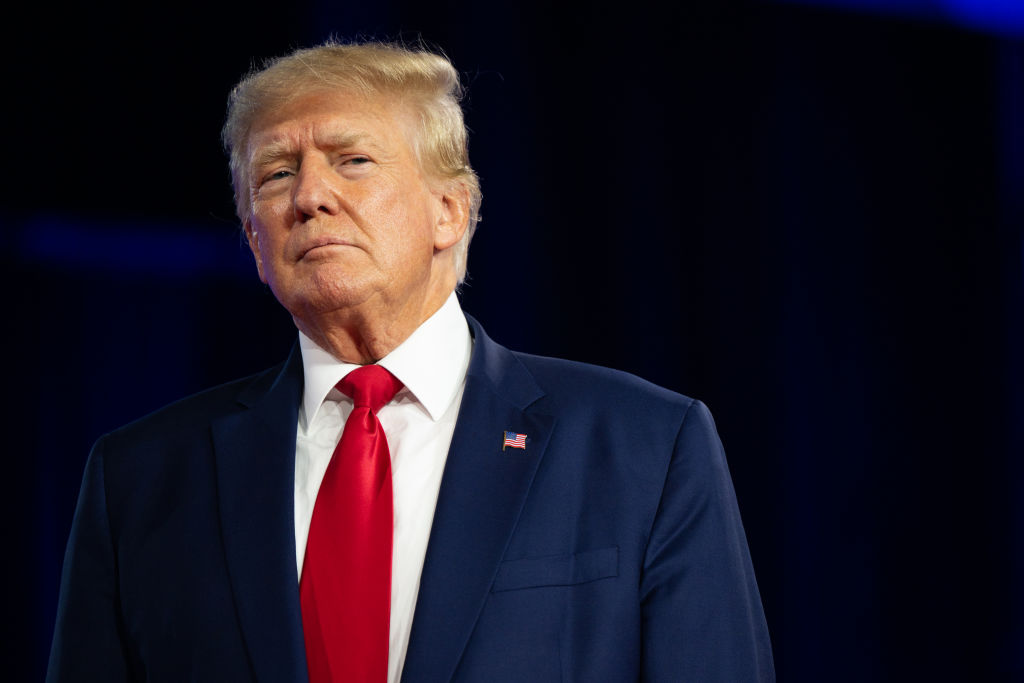
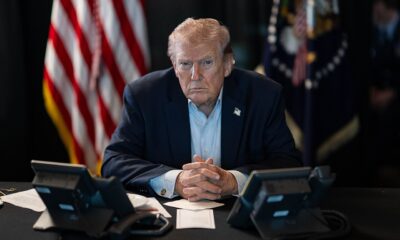
In February 2025, former President Donald Trump issued a stark warning regarding threats to his life from Iran. This declaration emerged as part of an executive order aimed at exerting maximum pressure on Tehran, intended to equip the United States with comprehensive tools for engaging with the Iranian government. Trump emphasized his desire for a peaceful resolution, stating that all parties should be able to “live together.” However, he made it clear that any assassination attempt on his life would lead to severe repercussions for Iran.
Trump’s statements have gained renewed attention following the death of Iran’s Supreme Leader Ayatollah Ali Khamenei on February 28, 2026, during a large-scale airstrike campaign led by the United States and Israel. The former president’s warning now resonates in light of this significant event.
Trump’s 2025 Retaliation Threats
During the February 2025 discussion, Trump articulated a firm stance against any potential threats from the Iranian government. He stated, “They haven’t done that, and that would be a terrible thing for them to do. Not because of me – if they did that, they would be obliterated. That would be the end. I’ve left instructions; if they do it, they get obliterated, there won’t be anything left. And, they shouldn’t be able to do it.”
These comments were framed within Trump’s broader strategy of applying maximum pressure on Iran, aimed at compelling Tehran to engage in negotiations. When asked why his successor, President Joe Biden, did not make similar threats, Trump criticized Biden’s approach, attributing the absence of such declarations to “a lack of intelligence.”
The Aftermath of Khamenei’s Death
The death of Khamenei, who had led Iran for over three decades, marked a pivotal moment in Iranian politics. On February 28, 2026, he was killed during the initial phase of extensive U.S. and Israeli airstrikes targeting Iran. At 86 years old, Khamenei was one of the longest-serving leaders worldwide, exerting substantial influence over both domestic and foreign policy.
His demise signifies a profound shift within Iran and poses challenges for the Middle East as a whole. Khamenei’s leadership had been synonymous with the nation’s political landscape since the 1979 Islamic Revolution, and his image was prominently displayed throughout the country. With his passing, Iran enters a period of uncertainty, impacting its political and military trajectory.
The implications of these events remain far-reaching, as both Iran and the international community grapple with the consequences of Khamenei’s death, coupled with Trump’s earlier warnings. As the situation evolves, the focus will remain on how Iran responds to this critical juncture and the potential international ramifications.






Belfast Gears Up for Vibrant St Patrick’s Day Parade on March 17

Cuba Faces Nationwide Blackout Amid Deepening Energy Crisis

Wirral Council to Restructure Leadership, Cutting Two Top Roles

Rethinking Resistance Training: Key Insights from US Experts

EU Membership on the Horizon: What It Means for Citizens

Ukrainian Drone Swarms Strike Moscow Region for Second Day

Henley Launches Innovative Initiative to Boost Local Economy

Court Ruling Allows Pandemic Tax Refund Claims Until 2026

Sean Penn’s Absence at 2026 Oscars Sparks Discussion

Coronation Street’s Shocking Murder Twist Reveals Family Secrets

Andrew Pierce Confirms Departure from ITV’s Good Morning Britain

Katie Price Faces New Health Concerns After Cancer Symptoms Resurface

Gyles Brandreth Shares Grandson’s Cancer Battle and Recovery

Sue Radford Reveals Weight Loss Journey, Shedding 12–13 kg

Kate Garraway Sells £2 Million Home Amid Financial Struggles

Jordan Brook Faces Health Crisis in Hospital as Sophie Kasaei Stays Away

EastEnders’ Nicola Mitchell Faces Unexpected Pregnancy Crisis

Reddit Study Reveals Distinctions Between Lurkers and Power Users
-
 World9 months ago
Coronation Street’s Shocking Murder Twist Reveals Family Secrets
-
 Entertainment8 months ago
Andrew Pierce Confirms Departure from ITV’s Good Morning Britain
-
 Health12 months ago
Katie Price Faces New Health Concerns After Cancer Symptoms Resurface
-
 Health7 months ago
Gyles Brandreth Shares Grandson’s Cancer Battle and Recovery
-
 Health7 months ago
Sue Radford Reveals Weight Loss Journey, Shedding 12–13 kg
-
 Entertainment1 year ago
Kate Garraway Sells £2 Million Home Amid Financial Struggles
-
 Entertainment5 months ago
Jordan Brook Faces Health Crisis in Hospital as Sophie Kasaei Stays Away
-
 World10 months ago
EastEnders’ Nicola Mitchell Faces Unexpected Pregnancy Crisis
-
 Science9 months ago
Reddit Study Reveals Distinctions Between Lurkers and Power Users
-

 World9 months ago
Mother Charged After Son, 9, Killed in Tragic Incident in Italy
-

 World9 months ago
Bailey Announces Heartbreaking Split from Rebecca After Reunion
-

 Entertainment12 months ago
Ann Ming Reflects on ITV’s ‘I Fought the Law’ Drama