
Politics
Trump Defends US Military Action in Venezuela, Promises More

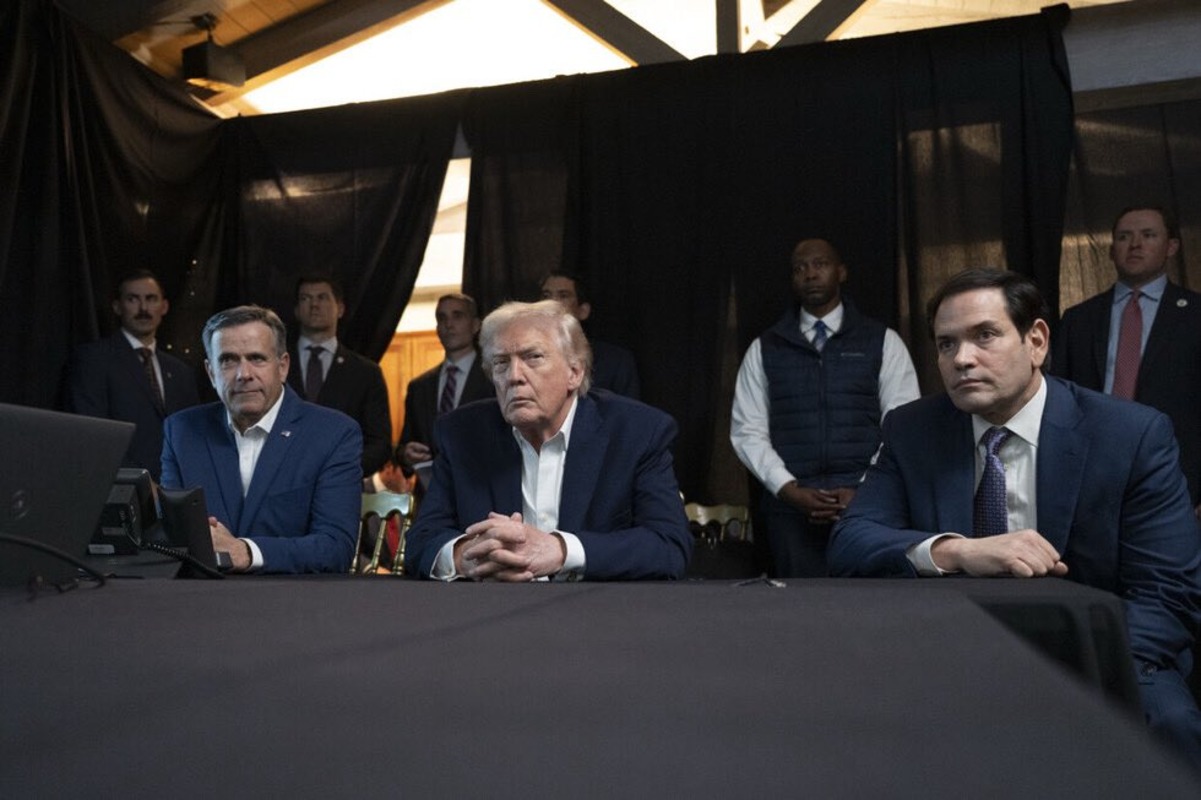
Donald Trump has publicly defended the recent US military operation in Venezuela that resulted in the arrest of President Nicolás Maduro and his wife. Following a surprise air and ground assault on Caracas, Trump indicated the United States is prepared to take control of Venezuela and possibly replicate similar actions in other countries. His remarks have ignited significant backlash on social media, with many critics labeling his comments as “imperialist” and questioning the legality of such military interventions.
During a press briefing, Trump referred to the operation as an “incredible thing,” asserting, “We can do it again, too. Nobody can stop us.” This statement has raised concerns about the implications of US military interventionism, with observers noting that it marks one of the most direct uses of military force for regime change since the invasion of Panama in 1989.
The operation has led to public discourse regarding the duration of US oversight in Venezuela and control over its rich natural resources. Many online commentators interpreted Trump’s assertion that “nobody can stop us” as reminiscent of authoritarian rhetoric, drawing parallels with historical figures like Adolf Hitler. Some voices in the debate speculate that this intervention could signal a broader trend of military expansionism by the US.
Critics have also raised issues concerning the constitutional legitimacy of the operation. Trump authorized the military strike without seeking Congressional approval, which some lawmakers argue is a violation of the requirement for legislative consent for acts of war. This has prompted further scrutiny of Trump’s foreign policy approach, particularly in comparison to his handling of other international conflicts.
As discussions unfold, various viewpoints have emerged. Some users on social media have justified the military action, citing longstanding grievances against Maduro’s government, which faces accusations of narcotics trafficking and corruption. Trump and his supporters claim that removing Maduro aligns with US national security interests and aims to combat criminal networks involved in drug trafficking.
Nevertheless, the manner in which the operation was executed, particularly the military strikes without clear international authorization, raises concerns about setting a dangerous precedent. Critics warn that such actions could lead to a series of “regime change wars,” potentially justifying future interventions under similar pretenses.
Amid the controversy, interim leaders in Venezuela, despite being aligned with US interests, condemned the operation as illegitimate and described it as an invasion of sovereignty. They characterized the military action as “barbarity,” emphasizing their rejection of foreign intervention in Venezuela’s internal affairs.
Looking ahead, Trump has indicated that the US remains “ready to intervene” in other nations, including Iran, should they continue to suppress protests. As the situation evolves, the international community watches closely, weighing the implications of this unprecedented military action on global diplomatic relations and the norms governing state sovereignty.





Belfast Gears Up for Vibrant St Patrick’s Day Parade on March 17

Cuba Faces Nationwide Blackout Amid Deepening Energy Crisis

Wirral Council to Restructure Leadership, Cutting Two Top Roles

Rethinking Resistance Training: Key Insights from US Experts

EU Membership on the Horizon: What It Means for Citizens

Ukrainian Drone Swarms Strike Moscow Region for Second Day

Henley Launches Innovative Initiative to Boost Local Economy

Court Ruling Allows Pandemic Tax Refund Claims Until 2026

Sean Penn’s Absence at 2026 Oscars Sparks Discussion

Coronation Street’s Shocking Murder Twist Reveals Family Secrets

Andrew Pierce Confirms Departure from ITV’s Good Morning Britain

Katie Price Faces New Health Concerns After Cancer Symptoms Resurface

Sue Radford Reveals Weight Loss Journey, Shedding 12–13 kg

Kate Garraway Sells £2 Million Home Amid Financial Struggles

Jordan Brook Faces Health Crisis in Hospital as Sophie Kasaei Stays Away

EastEnders’ Nicola Mitchell Faces Unexpected Pregnancy Crisis

Bailey Announces Heartbreaking Split from Rebecca After Reunion

Ann Ming Reflects on ITV’s ‘I Fought the Law’ Drama
-
 World4 months ago
Coronation Street’s Shocking Murder Twist Reveals Family Secrets
-
 Entertainment4 months ago
Andrew Pierce Confirms Departure from ITV’s Good Morning Britain
-
 Health7 months ago
Katie Price Faces New Health Concerns After Cancer Symptoms Resurface
-
 Health3 months ago
Sue Radford Reveals Weight Loss Journey, Shedding 12–13 kg
-
 Entertainment8 months ago
Kate Garraway Sells £2 Million Home Amid Financial Struggles
-
 Entertainment4 weeks ago
Jordan Brook Faces Health Crisis in Hospital as Sophie Kasaei Stays Away
-
 World5 months ago
EastEnders’ Nicola Mitchell Faces Unexpected Pregnancy Crisis
-
 World5 months ago
Bailey Announces Heartbreaking Split from Rebecca After Reunion
-
 Entertainment7 months ago
Ann Ming Reflects on ITV’s ‘I Fought the Law’ Drama
-

 Entertainment2 months ago
Selena Gomez’s Name Linked to Epstein: Examining the Claims
-

 Health7 months ago
TOWIE Stars Sophie Kasaei and Jordan Brook Pursue Fertility Treatment
-

 Health8 months ago
Fiona Phillips’ Husband Shares Heartbreaking Update on Her Health