
Politics
Russia’s Historical Ties and Current Challenges in Ukraine

Diplomatic discussions surrounding the ongoing war in Ukraine and its implications for nuclear policy took center stage recently at the Russian ambassador’s residence in Kensington Park Gardens, London. Ambassador Andrei Kelin engaged in a dialogue that touched on contentious topics, including an alleged Russian connection to the Epstein scandal, which he dismissed as “not my cup of tea.”
The residence itself is steeped in history, showcasing a neo-gothic architecture that reflects the weight of past diplomatic engagements. Within its walls, the stories of wartime efforts linger, particularly those of Ivan Maisky, the Soviet ambassador known for his critical role during World War II. The study where he once spent sleepless nights awaiting calls from Stalin retains artifacts from that era, including the very couch on which he rested, a reminder of the high-stakes diplomacy of the time.
Maisky’s diaries, chronicling his experiences, were nearly lost to history until Gabriel Gorodetsky, a prominent Israeli historian, uncovered them in the 1990s. These documents offer a rare glimpse into the mindset of Soviet diplomacy during a tumultuous period. The ambassador’s friendships with notable figures such as George Bernard Shaw and his connections to British socialists create a rich tapestry of alliances and rivalries that defined the era.
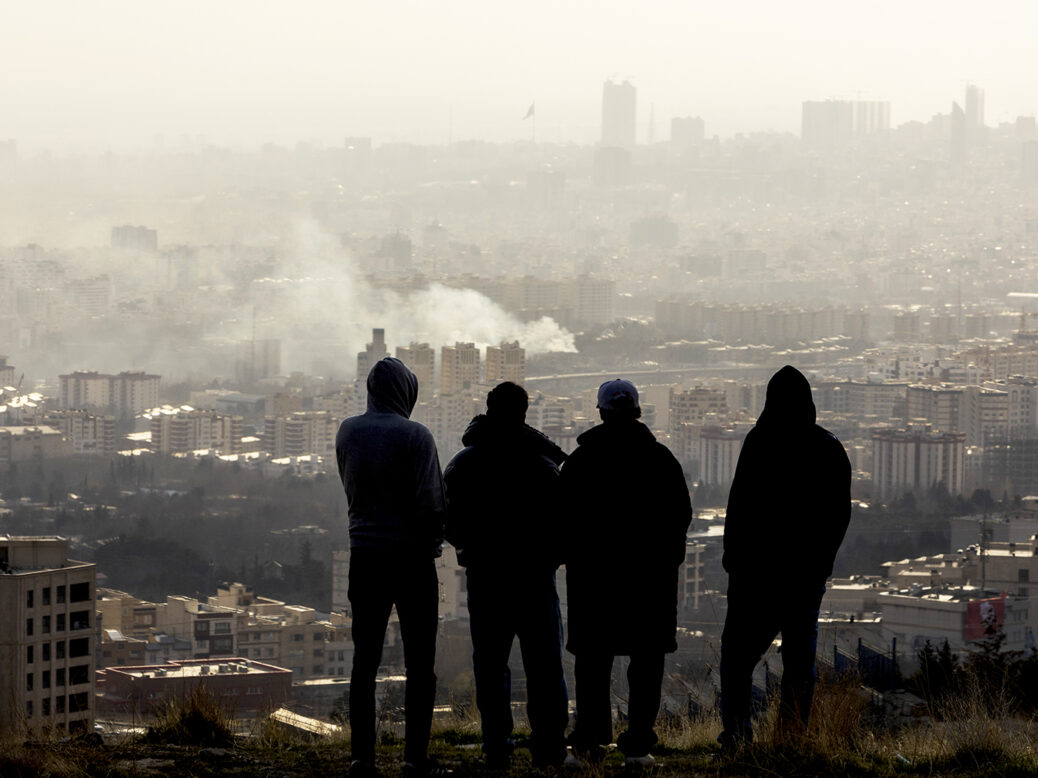
As discussions in one part of London unfold, another significant dialogue is occurring across Hyde Park, where Iranian officials are contemplating the intentions of former U.S. President Donald Trump. The Iranian leadership is assessing whether Trump desires a more favorable nuclear agreement or if he is advocating for regime change. The implications of such considerations are profound, particularly in light of the historical consequences of regime change policies, which have often resulted in violent upheaval.
Reflecting on past military interventions, particularly the invasion of Iraq, there remains a palpable anxiety regarding the outcomes of altering regimes. Observers recall the urgency surrounding the 2003 intervention, where optimistic predictions of a peaceful and democratic Iraq were quickly overshadowed by chaos. Urgent warnings from diplomatic insiders were largely ignored, raising questions about the clarity and viability of U.S. policy in the region.
The American stance on Iran appears to lack specificity. Insight from Trump’s transition team indicated a preference for a regime that would refrain from exporting terrorism, but clarity on whether this includes a return to monarchy or support for a strongman remains elusive. This ambiguity raises concerns about the potential for another regime change that could lead to instability.
In a different vein, reflections on by-elections in British politics evoke nostalgia for a time when local contests captured national attention. The early years of political reporting featured events like the 1985 Brecon and Radnor by-election, where the Liberals triumphed over the Conservatives. Mentored by veteran journalists, the excitement of political contests was palpable, yet it also highlighted the complexities of electoral dynamics.
The legacy of political figures such as Roy Jenkins is remembered fondly, marked by moments of levity in a serious political landscape. His interactions, including a humorous anecdote involving his mispronunciation of “regret,” showcase the human element that often permeates political discourse. Meanwhile, his adversary, Dennis Skinner, capitalized on such moments, reminding everyone that the political arena is not only about policies but also about personalities.
As the political landscape continues to evolve, both in the U.K. and elsewhere, the challenges of navigating historical legacies and current geopolitical tensions remain complex. The interplay of diplomacy, regime change, and electoral politics will undoubtedly shape the future, making it essential to learn from the past while engaging with the present.











Belfast Gears Up for Vibrant St Patrick’s Day Parade on March 17

Cuba Faces Nationwide Blackout Amid Deepening Energy Crisis

Wirral Council to Restructure Leadership, Cutting Two Top Roles

Rethinking Resistance Training: Key Insights from US Experts

EU Membership on the Horizon: What It Means for Citizens

Ukrainian Drone Swarms Strike Moscow Region for Second Day

Henley Launches Innovative Initiative to Boost Local Economy

Court Ruling Allows Pandemic Tax Refund Claims Until 2026

Sean Penn’s Absence at 2026 Oscars Sparks Discussion

Coronation Street’s Shocking Murder Twist Reveals Family Secrets

Andrew Pierce Confirms Departure from ITV’s Good Morning Britain

Katie Price Faces New Health Concerns After Cancer Symptoms Resurface

Sue Radford Reveals Weight Loss Journey, Shedding 12–13 kg

Kate Garraway Sells £2 Million Home Amid Financial Struggles

Jordan Brook Faces Health Crisis in Hospital as Sophie Kasaei Stays Away

EastEnders’ Nicola Mitchell Faces Unexpected Pregnancy Crisis

Bailey Announces Heartbreaking Split from Rebecca After Reunion

Ann Ming Reflects on ITV’s ‘I Fought the Law’ Drama
-
 World4 months ago
Coronation Street’s Shocking Murder Twist Reveals Family Secrets
-
 Entertainment4 months ago
Andrew Pierce Confirms Departure from ITV’s Good Morning Britain
-
 Health7 months ago
Katie Price Faces New Health Concerns After Cancer Symptoms Resurface
-
 Health2 months ago
Sue Radford Reveals Weight Loss Journey, Shedding 12–13 kg
-
 Entertainment8 months ago
Kate Garraway Sells £2 Million Home Amid Financial Struggles
-
 Entertainment2 weeks ago
Jordan Brook Faces Health Crisis in Hospital as Sophie Kasaei Stays Away
-
 World5 months ago
EastEnders’ Nicola Mitchell Faces Unexpected Pregnancy Crisis
-
 World4 months ago
Bailey Announces Heartbreaking Split from Rebecca After Reunion
-
 Entertainment7 months ago
Ann Ming Reflects on ITV’s ‘I Fought the Law’ Drama
-

 Entertainment2 months ago
Selena Gomez’s Name Linked to Epstein: Examining the Claims
-

 Health7 months ago
TOWIE Stars Sophie Kasaei and Jordan Brook Pursue Fertility Treatment
-

 Health7 months ago
Fiona Phillips’ Husband Shares Heartbreaking Update on Her Health