
Politics
NATO Allies Respond Strongly to Trump’s Comments on Afghan War

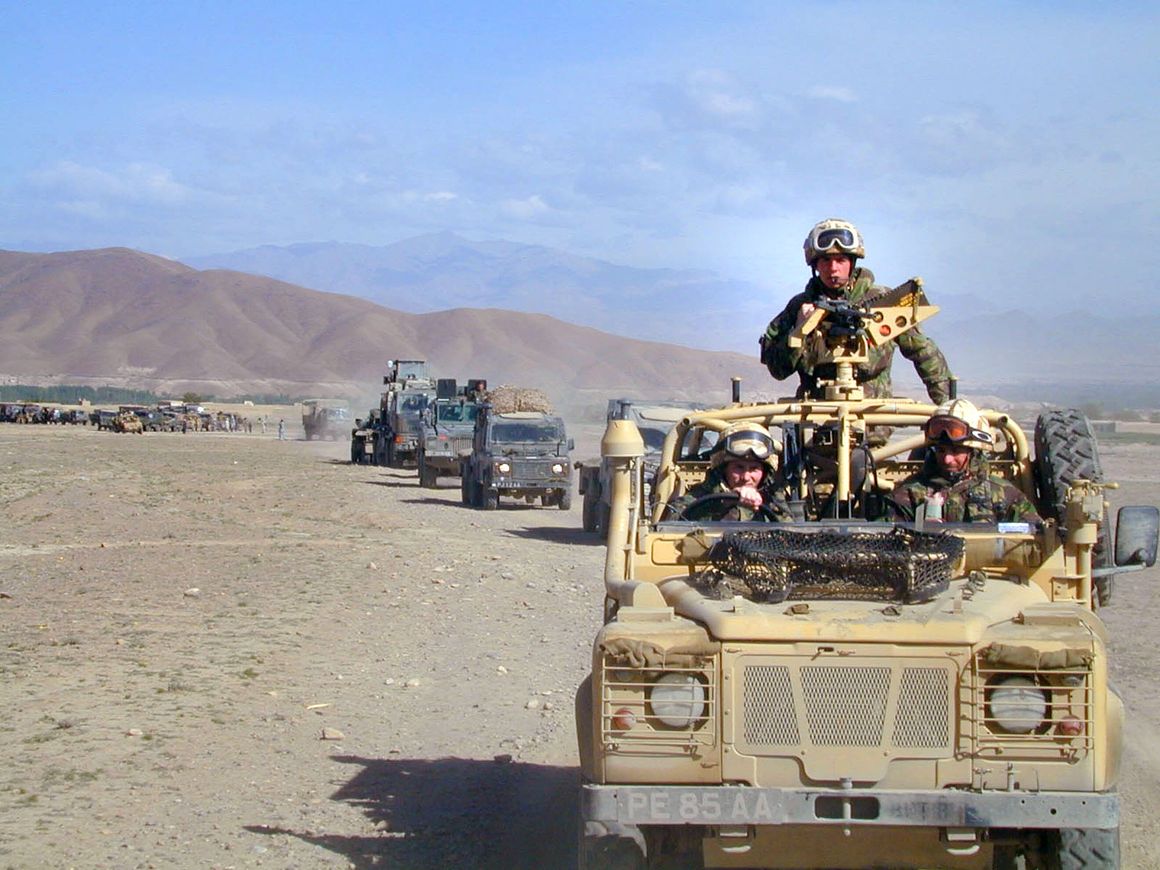
U.S. President Donald Trump faced significant backlash from NATO allies following comments made during an interview with Fox News. Trump suggested that allied forces stationed in Afghanistan remained “a little off the front lines,” which prompted strong reactions from European leaders and military veterans who emphasized their nations’ sacrifices in the protracted conflict.
In his remarks, Trump stated, “We’ve never needed them … they’ll say they sent some troops to Afghanistan. And they did — they stayed a little back, a little off the front lines.” This characterization sparked outrage, leading to immediate responses from various NATO representatives keen to highlight their contributions to the mission.
Norway’s Defense Minister Tore O. Sandvik condemned Trump’s statements as “wrong and without respect.” He underscored the importance of honoring fallen soldiers, noting that over 10,000 Norwegian troops served in Afghanistan, with 10 fatalities. Sandvik expressed understanding for the anger felt by veterans and families affected by the conflict.
Similarly, Jesper Møller Sørensen, Denmark’s ambassador to the United States, asserted that Danish forces operated “on the front line” in Helmand province, where they experienced one of the highest per-capita casualty rates among NATO nations. “That was solidarity,” Sørensen stated in a post on X, reaffirming Denmark’s commitment to its alliance with the United States.
Polish Prime Minister Donald Tusk also weighed in, recalling a farewell ceremony in Ghazni in 2011 for five Polish soldiers who lost their lives. He urged that those sacrifices should be remembered and recognized by Trump, suggesting that American officers had previously assured him, “America would never forget the Polish heroes.”
In the United Kingdom, Prime Minister Keir Starmer labeled Trump’s comments “insulting and frankly appalling.” He emphasized the bravery and sacrifices of British soldiers, calling attention to the significant contributions made by the UK in the Afghan campaign.
Former British Army captain Prince Harry, who served two tours in Afghanistan, reflected on the alliance’s response to the 9/11 attacks, which invoked Article 5 of the NATO treaty. “I served there. I made lifelong friends there. And I lost friends there,” he noted, highlighting that the UK alone saw 457 service personnel killed throughout the conflict. He urged for a truthful and respectful acknowledgment of those sacrifices, stating, “Mothers and fathers buried sons and daughters. Children were left without a parent.”
The U.K. Defense Minister John Healey echoed similar sentiments, honoring the British troops who died in Afghanistan as “heroes who gave their lives in service of our nation.” Meanwhile, Catherine Vautrin, France’s Armed Forces Minister, reminded the public that France has been involved in Afghanistan since 2001, honoring the memory of 90 French soldiers who lost their lives and many others who were wounded.
The collective responses from NATO allies underscore a commitment to remembrance and respect for those who served in Afghanistan, contrasting sharply with the U.S. President’s comments. The ongoing discourse highlights the enduring bond among NATO nations and the sacrifices made in the pursuit of shared security objectives.










Belfast Gears Up for Vibrant St Patrick’s Day Parade on March 17

Cuba Faces Nationwide Blackout Amid Deepening Energy Crisis

Wirral Council to Restructure Leadership, Cutting Two Top Roles

Rethinking Resistance Training: Key Insights from US Experts

EU Membership on the Horizon: What It Means for Citizens

Ukrainian Drone Swarms Strike Moscow Region for Second Day

Henley Launches Innovative Initiative to Boost Local Economy

Court Ruling Allows Pandemic Tax Refund Claims Until 2026

Sean Penn’s Absence at 2026 Oscars Sparks Discussion

Coronation Street’s Shocking Murder Twist Reveals Family Secrets

Andrew Pierce Confirms Departure from ITV’s Good Morning Britain

Katie Price Faces New Health Concerns After Cancer Symptoms Resurface

Sue Radford Reveals Weight Loss Journey, Shedding 12–13 kg

Kate Garraway Sells £2 Million Home Amid Financial Struggles

Jordan Brook Faces Health Crisis in Hospital as Sophie Kasaei Stays Away

EastEnders’ Nicola Mitchell Faces Unexpected Pregnancy Crisis

Bailey Announces Heartbreaking Split from Rebecca After Reunion

Ann Ming Reflects on ITV’s ‘I Fought the Law’ Drama
-
 World4 months ago
Coronation Street’s Shocking Murder Twist Reveals Family Secrets
-
 Entertainment4 months ago
Andrew Pierce Confirms Departure from ITV’s Good Morning Britain
-
 Health7 months ago
Katie Price Faces New Health Concerns After Cancer Symptoms Resurface
-
 Health2 months ago
Sue Radford Reveals Weight Loss Journey, Shedding 12–13 kg
-
 Entertainment8 months ago
Kate Garraway Sells £2 Million Home Amid Financial Struggles
-
 Entertainment3 weeks ago
Jordan Brook Faces Health Crisis in Hospital as Sophie Kasaei Stays Away
-
 World5 months ago
EastEnders’ Nicola Mitchell Faces Unexpected Pregnancy Crisis
-
 World5 months ago
Bailey Announces Heartbreaking Split from Rebecca After Reunion
-
 Entertainment7 months ago
Ann Ming Reflects on ITV’s ‘I Fought the Law’ Drama
-

 Entertainment2 months ago
Selena Gomez’s Name Linked to Epstein: Examining the Claims
-

 Health7 months ago
TOWIE Stars Sophie Kasaei and Jordan Brook Pursue Fertility Treatment
-

 Health7 months ago
Fiona Phillips’ Husband Shares Heartbreaking Update on Her Health