
Politics
Myanmar Faces Genocide Allegations as UN Court Hearings Begin

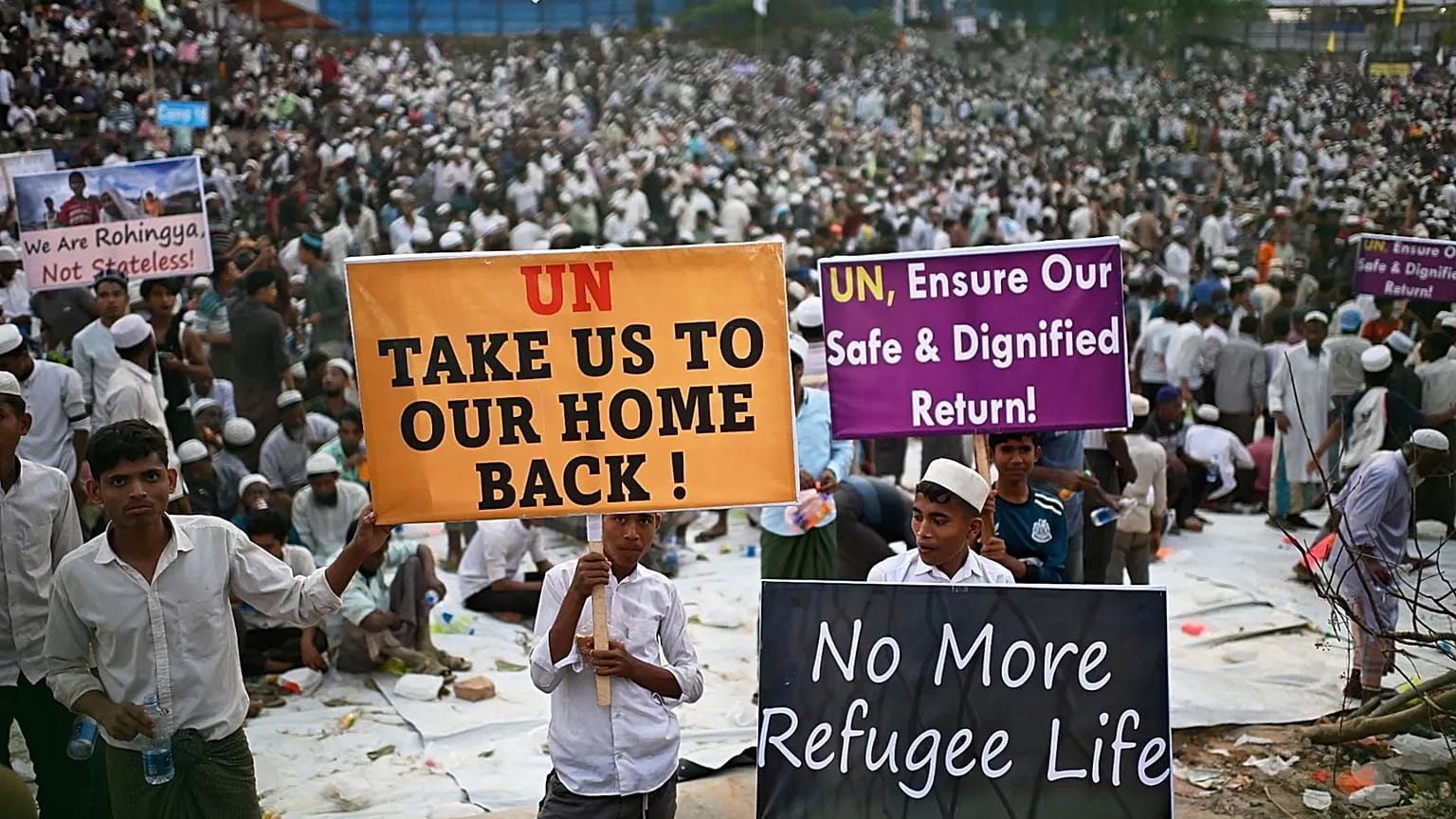
The International Court of Justice (ICJ) commenced hearings on March 6, 2024, regarding allegations that Myanmar committed genocide against the Rohingya ethnic minority. The Gambia initiated the case in 2019, asserting that a military-led “clearance operation” in 2017 contravened the provisions of the 1948 Genocide Convention.
The hearings in The Hague mark a significant moment in a long-running international legal battle. Myanmar’s military has consistently denied accusations of genocide, particularly concerning the violent campaign that led to the exodus of over 700,000 Rohingya to neighboring Bangladesh. In his opening remarks, Gambian Justice Minister Dawda Jallow emphasized his country’s commitment to justice, stating, “We must use our moral voice in condemnation of oppression, of crimes against individuals, and of groups, wherever and whenever they occur.”
The military operation in Rakhine state began following an attack by a Rohingya insurgent group. Reports indicate that security forces engaged in mass killings, sexual violence, and the destruction of homes, resulting in dire humanitarian conditions for the remaining Rohingya population. Currently, approximately 1.2 million Rohingya reside in overcrowded refugee camps in Bangladesh, where conditions have deteriorated significantly due to recent aid cuts.
The humanitarian crisis has been exacerbated by reductions in foreign aid, particularly following cuts implemented in 2023 by then-US President Donald Trump. These cuts led to the closure of many schools in refugee camps and contributed to severe food shortages, with tragic reports of children starving. Yousuf Ali, a refugee who attended the hearings in The Hague, shared his plight, stating, “We don’t have anything that human beings should have.”
Initially, Myanmar’s representation at the ICJ included Aung San Suu Kyi, the former leader and Nobel Peace Prize laureate. She denied allegations of genocide during her testimony in 2019, attributing the Rohingya exodus to conflict with insurgents. Following a military coup in 2021, Suu Kyi was imprisoned under charges that her supporters label as politically motivated.
Myanmar has challenged the ICJ’s jurisdiction, arguing that The Gambia cannot bring a case as it is not directly involved in the conflict. Both nations are signatories to the genocide convention established after World War II. In 2022, judges dismissed Myanmar’s jurisdictional claims, allowing the case to proceed.
The outcome of this case in The Hague could have broader implications. It may influence other international legal proceedings, including a pending case brought by South Africa against Israel, alleging genocide against Palestinians in Gaza. Legal experts, such as Juliette McIntyre from the University of South Australia, note that a ruling in favor of The Gambia could impact how genocide is defined in international law.
Should the court find Myanmar guilty of genocide, it would support ongoing investigations by the International Criminal Court (ICC) into crimes against the Rohingya. In 2024, the ICC’s chief prosecutor requested an arrest warrant for the head of Myanmar’s military regime, Senior General Min Aung Hlaing, for his alleged role in these atrocities.
As the hearings progress, the world watches closely, aware that the court’s decision could shape international responses to issues of genocide and human rights violations.










Belfast Gears Up for Vibrant St Patrick’s Day Parade on March 17

Cuba Faces Nationwide Blackout Amid Deepening Energy Crisis

Wirral Council to Restructure Leadership, Cutting Two Top Roles

Rethinking Resistance Training: Key Insights from US Experts

EU Membership on the Horizon: What It Means for Citizens

Ukrainian Drone Swarms Strike Moscow Region for Second Day

Henley Launches Innovative Initiative to Boost Local Economy

Court Ruling Allows Pandemic Tax Refund Claims Until 2026

Sean Penn’s Absence at 2026 Oscars Sparks Discussion

Coronation Street’s Shocking Murder Twist Reveals Family Secrets

Andrew Pierce Confirms Departure from ITV’s Good Morning Britain

Katie Price Faces New Health Concerns After Cancer Symptoms Resurface

Gyles Brandreth Shares Grandson’s Cancer Battle and Recovery

Sue Radford Reveals Weight Loss Journey, Shedding 12–13 kg

Kate Garraway Sells £2 Million Home Amid Financial Struggles

Jordan Brook Faces Health Crisis in Hospital as Sophie Kasaei Stays Away

EastEnders’ Nicola Mitchell Faces Unexpected Pregnancy Crisis

Reddit Study Reveals Distinctions Between Lurkers and Power Users
-
 World8 months ago
Coronation Street’s Shocking Murder Twist Reveals Family Secrets
-
 Entertainment8 months ago
Andrew Pierce Confirms Departure from ITV’s Good Morning Britain
-
 Health12 months ago
Katie Price Faces New Health Concerns After Cancer Symptoms Resurface
-
 Health7 months ago
Gyles Brandreth Shares Grandson’s Cancer Battle and Recovery
-
 Health7 months ago
Sue Radford Reveals Weight Loss Journey, Shedding 12–13 kg
-
 Entertainment1 year ago
Kate Garraway Sells £2 Million Home Amid Financial Struggles
-
 Entertainment5 months ago
Jordan Brook Faces Health Crisis in Hospital as Sophie Kasaei Stays Away
-
 World9 months ago
EastEnders’ Nicola Mitchell Faces Unexpected Pregnancy Crisis
-
 Science8 months ago
Reddit Study Reveals Distinctions Between Lurkers and Power Users
-

 World9 months ago
Mother Charged After Son, 9, Killed in Tragic Incident in Italy
-

 Entertainment12 months ago
Ann Ming Reflects on ITV’s ‘I Fought the Law’ Drama
-

 World9 months ago
Bailey Announces Heartbreaking Split from Rebecca After Reunion