
Politics
Local Residents Oppose ‘Medieval Fortress’ Development in Norfolk

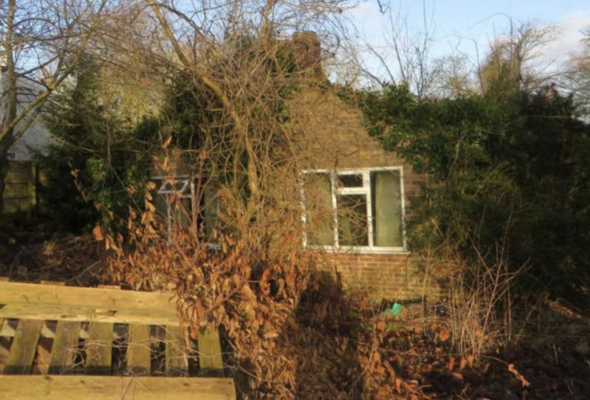
A contentious planning dispute has emerged in the quiet village of Brinton, Norfolk, following the approval of a controversial housing development by the North Norfolk District Council. The project will replace a derelict cottage on Sharrington Road with a three-bedroom home, which critics have likened to a “medieval fortress.” This decision has ignited strong objections from local residents and the parish council.
The proposed dwelling features a prominent flint stair turret that has become the focal point of local dissent. Critics argue that the turret resembles castle fortifications more suited to the Middle Ages than the rural landscape of present-day Norfolk. At a recent council meeting, local resident Keith Parks voiced his concerns, urging planners to reject the scheme. He described the design as a “medieval fortress” that would clash with the surrounding countryside, according to reports from GB News.
Residents have expressed that the building would appear “glaringly incongruous” within the traditional setting of the hamlet, fundamentally altering its character. Formal objections submitted by the Brinton and Sharrington Parish Council emphasized that both the scale and appearance of the development are “alien” to the local environment.
Significant apprehensions were raised regarding the proximity of the new home to Brook House, a nearby Grade-II listed building. Parish councillors argued that the design was incompatible with the heritage property’s setting and could undermine its historical integrity. Several residents likened aspects of the design to castle ramparts, fearing it would transform the tranquil rural area into a structure reminiscent of a bygone era.
Despite the community’s opposition, the council ultimately approved the application. Beyond aesthetic concerns, flooding risks were also highlighted. Local councillor Andrew Brown, who serves as the cabinet member for planning, acknowledged that Brinton sits at the lowest point of the village. This location raises fears that alterations to ground levels could increase the risk of water damage to neighboring homes.
Additionally, residents expressed alarm over the potential removal of established trees on the site, including a mulberry and a walnut tree. They argue that these mature specimens are integral to the hamlet’s character, and losing them would exacerbate the impact of what they perceive as an overbearing structure.
In defense of the proposal, architect Anthony Hudson addressed the council, stating that the design draws inspiration from “local traditions of building form and materials.” He emphasized the owners’ commitment to revitalizing what he described as an unkempt and neglected plot, asserting that the scheme would enhance rather than detract from the area.
As the community grapples with this divisive issue, the unfolding situation highlights the complexities of balancing development with the preservation of local character in rural environments.











Belfast Gears Up for Vibrant St Patrick’s Day Parade on March 17

Cuba Faces Nationwide Blackout Amid Deepening Energy Crisis

Wirral Council to Restructure Leadership, Cutting Two Top Roles

Rethinking Resistance Training: Key Insights from US Experts

EU Membership on the Horizon: What It Means for Citizens

Ukrainian Drone Swarms Strike Moscow Region for Second Day

Henley Launches Innovative Initiative to Boost Local Economy

Court Ruling Allows Pandemic Tax Refund Claims Until 2026

Sean Penn’s Absence at 2026 Oscars Sparks Discussion

Coronation Street’s Shocking Murder Twist Reveals Family Secrets

Andrew Pierce Confirms Departure from ITV’s Good Morning Britain

Katie Price Faces New Health Concerns After Cancer Symptoms Resurface

Sue Radford Reveals Weight Loss Journey, Shedding 12–13 kg

Kate Garraway Sells £2 Million Home Amid Financial Struggles

Jordan Brook Faces Health Crisis in Hospital as Sophie Kasaei Stays Away

EastEnders’ Nicola Mitchell Faces Unexpected Pregnancy Crisis

Bailey Announces Heartbreaking Split from Rebecca After Reunion

Ann Ming Reflects on ITV’s ‘I Fought the Law’ Drama
-
 World4 months ago
Coronation Street’s Shocking Murder Twist Reveals Family Secrets
-
 Entertainment4 months ago
Andrew Pierce Confirms Departure from ITV’s Good Morning Britain
-
 Health7 months ago
Katie Price Faces New Health Concerns After Cancer Symptoms Resurface
-
 Health3 months ago
Sue Radford Reveals Weight Loss Journey, Shedding 12–13 kg
-
 Entertainment9 months ago
Kate Garraway Sells £2 Million Home Amid Financial Struggles
-
 Entertainment1 month ago
Jordan Brook Faces Health Crisis in Hospital as Sophie Kasaei Stays Away
-
 World5 months ago
EastEnders’ Nicola Mitchell Faces Unexpected Pregnancy Crisis
-
 World5 months ago
Bailey Announces Heartbreaking Split from Rebecca After Reunion
-
 Entertainment8 months ago
Ann Ming Reflects on ITV’s ‘I Fought the Law’ Drama
-

 Entertainment2 months ago
Selena Gomez’s Name Linked to Epstein: Examining the Claims
-

 Health8 months ago
TOWIE Stars Sophie Kasaei and Jordan Brook Pursue Fertility Treatment
-

 Health8 months ago
Fiona Phillips’ Husband Shares Heartbreaking Update on Her Health