
Politics
Israeli Military Raids in Syria Result in Civilian Deaths and Rising Tensions

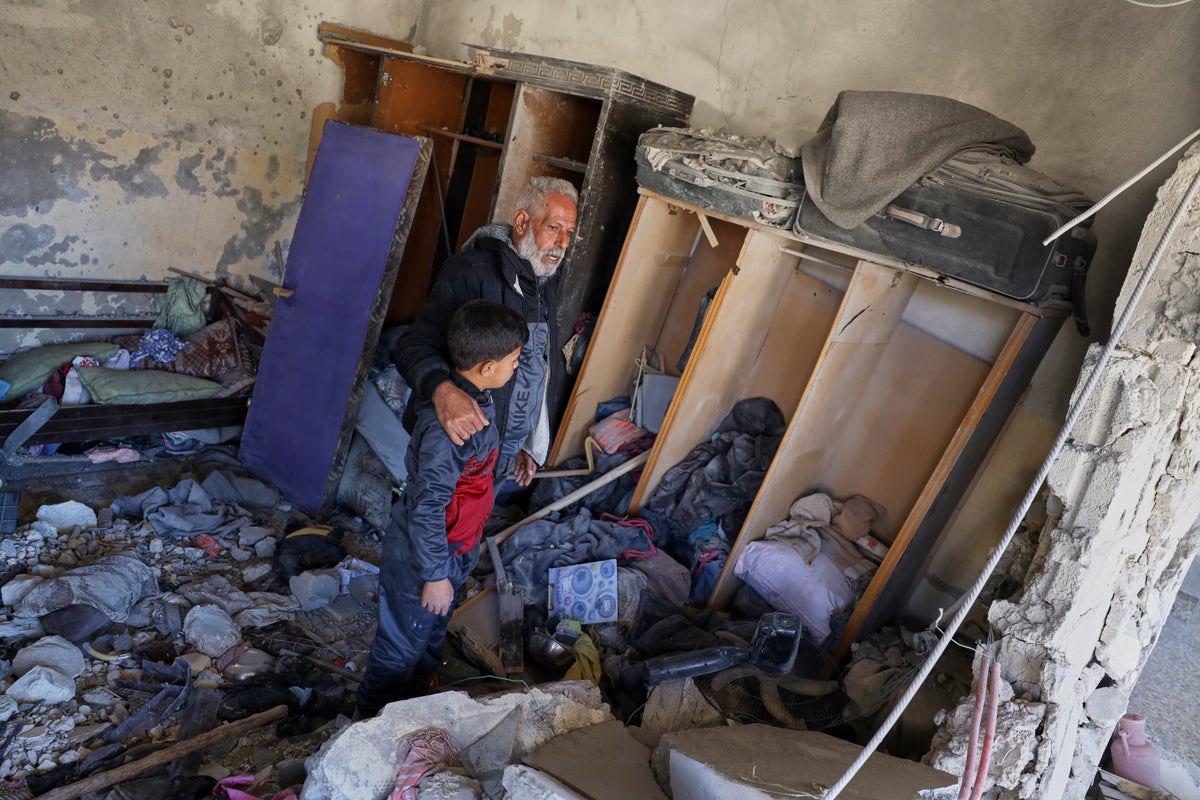
Israeli military operations in Syria have escalated tensions following a recent raid that led to the deaths of 13 villagers, including two sons and two grandsons of local resident Qassim Hamadeh. The incident occurred in Beit Jin, a village in southwestern Syria, where Israeli forces reportedly targeted alleged militants planning attacks into Israel. According to the Israel Defense Forces (IDF), the raid was a response to militants who opened fire on troops, injuring six soldiers. In contrast, local residents argue that the raid was an unjustified assault on their community.
The reactions from both the Syrian government and the affected families underscore the growing discontent. The Syrian government condemned the raid as a “massacre,” while Hamadeh and others from Beit Jin dismissed Israeli claims of militant activity in their village. They described armed villagers confronting Israeli soldiers, only to be met with heavy artillery fire and drone strikes.
Shifting Dynamics and Increased Israeli Presence
The recent military actions contribute to a complex and evolving situation in the region. Last December, a potential rapprochement between Israel and Syria seemed feasible after Sunni Islamist-led rebels overthrew President Bashar Assad, an ally of Iran. However, Israel’s suspicions towards the new interim president, Ahmad al-Sharaa, have stalled any progress. Al-Sharaa’s association with militant groups has raised concerns within Israel, prompting increased military activity in the U.N.-mandated buffer zone adjacent to the Golan Heights.
Israeli forces have established checkpoints and military installations in southern Syria, asserting that their presence is necessary to eliminate pro-Assad elements and militants threatening Israel’s security. Despite this justification, there is little indication that Israeli forces plan to withdraw anytime soon. Talks aimed at reaching a security agreement between the two nations have yielded no concrete results.
Regional Instability and Broader Implications
The broader regional context adds to the tensions. The ongoing conflict in neighboring Lebanon, coupled with the recent war in Gaza involving the militant group Hamas, has heightened fears among Syrians of a permanent Israeli land grab in southern Syria. Israel continues to maintain a military presence in southern Lebanon, a year after a U.S.-brokered ceasefire ended hostilities with Hezbollah. Israel conducts near-daily airstrikes against Hezbollah targets while also executing ground incursions.
In Gaza, a ceasefire brokered by former U.S. President Donald Trump has led to plans for Israeli-controlled buffer zones, which could persist even after a potential withdrawal from areas currently under Israeli control. During a recent meeting in Doha, al-Sharaa criticized Israel for exploiting perceived threats to justify its aggressive military actions, emphasizing the need for an Israeli withdrawal to restore stability.
The new leadership in Damascus faces significant challenges, including internal conflicts and a lack of effective governance. Al-Sharaa’s administration struggles to negotiate with Kurdish-led authorities in northeast Syria, while sectarian clashes have resulted in significant casualties in areas like southern Sweida province. The government’s alignment with local Bedouin clans during these clashes has further complicated the situation.
International Responses and Future Prospects
Israel’s military strategy in Syria has drawn criticism, even from its traditional allies. In a video statement, Israeli Prime Minister Benjamin Netanyahu expressed the need for a demilitarized buffer zone extending from Damascus to the U.N. buffer zone, reiterating that Israel would uphold its security principles. This stance has not gained widespread support within the international community, including the United States, which has backed al-Sharaa’s efforts to stabilize Syria.
As Netanyahu prepares for an upcoming visit to the U.S. and a meeting with Trump, the question of Syria’s future remains uncertain. Many experts doubt that Israel will withdraw its forces in the near term, considering the significant imbalance of military strength. Military advisor Issam al-Reiss remarked, “If you set up landing pads, then you are not here for short-term.”
For residents like Qassim Hamadeh, the ongoing conflict has become unbearable. Having lost five family members, he expressed frustration at the unchecked power of the Israeli military, stating, “Israel strikes wherever it wants, destroys whatever it wants, and kills whoever it wants, and no one holds it accountable.” The cycle of violence continues to affect countless civilians, underscoring the urgent need for a resolution that prioritizes human safety and regional stability.










Belfast Gears Up for Vibrant St Patrick’s Day Parade on March 17

Cuba Faces Nationwide Blackout Amid Deepening Energy Crisis

Wirral Council to Restructure Leadership, Cutting Two Top Roles

Rethinking Resistance Training: Key Insights from US Experts

EU Membership on the Horizon: What It Means for Citizens

Ukrainian Drone Swarms Strike Moscow Region for Second Day

Henley Launches Innovative Initiative to Boost Local Economy

Court Ruling Allows Pandemic Tax Refund Claims Until 2026

Sean Penn’s Absence at 2026 Oscars Sparks Discussion

Coronation Street’s Shocking Murder Twist Reveals Family Secrets

Andrew Pierce Confirms Departure from ITV’s Good Morning Britain

Katie Price Faces New Health Concerns After Cancer Symptoms Resurface

Sue Radford Reveals Weight Loss Journey, Shedding 12–13 kg

Kate Garraway Sells £2 Million Home Amid Financial Struggles

Jordan Brook Faces Health Crisis in Hospital as Sophie Kasaei Stays Away

EastEnders’ Nicola Mitchell Faces Unexpected Pregnancy Crisis

Bailey Announces Heartbreaking Split from Rebecca After Reunion

Ann Ming Reflects on ITV’s ‘I Fought the Law’ Drama
-
 World4 months ago
Coronation Street’s Shocking Murder Twist Reveals Family Secrets
-
 Entertainment4 months ago
Andrew Pierce Confirms Departure from ITV’s Good Morning Britain
-
 Health7 months ago
Katie Price Faces New Health Concerns After Cancer Symptoms Resurface
-
 Health2 months ago
Sue Radford Reveals Weight Loss Journey, Shedding 12–13 kg
-
 Entertainment8 months ago
Kate Garraway Sells £2 Million Home Amid Financial Struggles
-
 Entertainment3 weeks ago
Jordan Brook Faces Health Crisis in Hospital as Sophie Kasaei Stays Away
-
 World5 months ago
EastEnders’ Nicola Mitchell Faces Unexpected Pregnancy Crisis
-
 World5 months ago
Bailey Announces Heartbreaking Split from Rebecca After Reunion
-
 Entertainment7 months ago
Ann Ming Reflects on ITV’s ‘I Fought the Law’ Drama
-

 Entertainment2 months ago
Selena Gomez’s Name Linked to Epstein: Examining the Claims
-

 Health7 months ago
TOWIE Stars Sophie Kasaei and Jordan Brook Pursue Fertility Treatment
-

 Health7 months ago
Fiona Phillips’ Husband Shares Heartbreaking Update on Her Health