
Politics
Iran’s Larijani Dismisses Claims of Renewed US Nuclear Talks

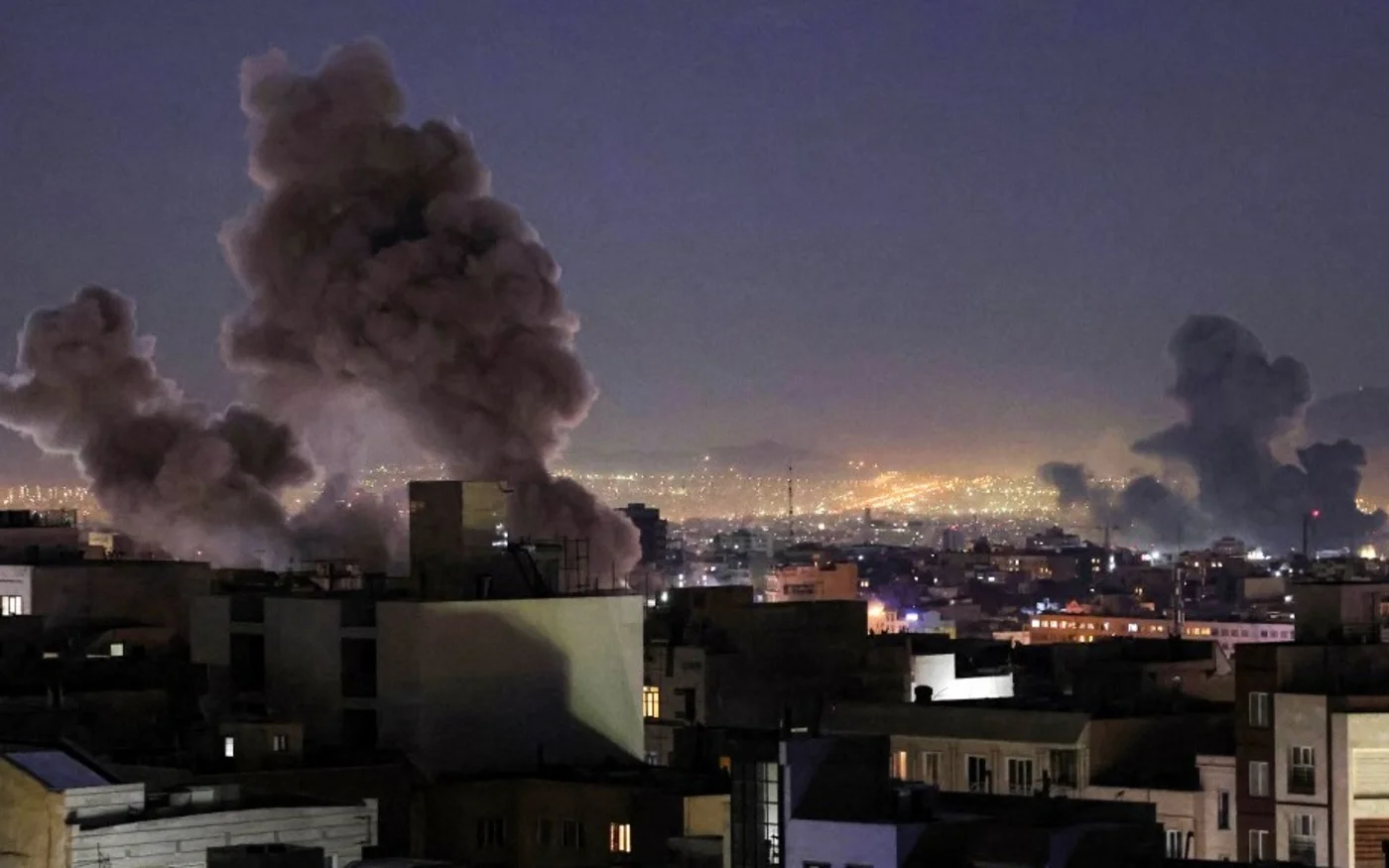
The Secretary of Iran’s National Security Council, Ali Larijani, publicly rejected reports suggesting he had initiated new discussions regarding the nuclear agreement with the United States. In a statement posted on X on October 30, 2023, Larijani emphasized, “We will not negotiate with the United States,” directly addressing claims made by various media outlets.
These assertions emerged following an article in The Wall Street Journal, which reported that Larijani attempted to engage in negotiations with U.S. officials through Omani mediators. This purported initiative was said to have taken place after the death of Iranian leader Ayatollah Ali Khamenei, which has raised significant political implications within Iran and the broader region.
Context of the Claims
The report from The Wall Street Journal suggested that the discussions aimed to explore the possibility of resuming diplomatic dialogue over Iran’s nuclear program. Such talks have been stalled for some time, particularly following the United States’ withdrawal from the Joint Comprehensive Plan of Action (JCPOA) in 2018. This agreement was designed to limit Iran’s nuclear capabilities in exchange for the lifting of economic sanctions.
Larijani’s response underscores Iran’s current stance on negotiations with the U.S., reflecting a broader sentiment among Iranian officials rejecting overtures for renewed talks. His statement indicates that the Iranian leadership remains steadfast in its position and is unlikely to pursue dialogue under the current circumstances.
Implications for Iran-US Relations
The implications of Larijani’s denial extend beyond diplomatic channels. With Khamenei’s death having created a potential power vacuum, any shift in Iran’s policy could significantly alter its international relations, particularly with Western nations. The situation remains fluid, as internal dynamics within Iran may influence its future approach to foreign policy and negotiations.
In the wake of Larijani’s statements, analysts are closely watching Iran’s political landscape for any further developments. The rejection of talks with the U.S. signals a continuation of the existing tensions that have characterized Iran-U.S. relations for years.
As this situation evolves, both regional and global stakeholders will likely remain engaged, assessing the potential for future negotiations or escalations depending on Iran’s leadership and policy direction.








Belfast Gears Up for Vibrant St Patrick’s Day Parade on March 17

Cuba Faces Nationwide Blackout Amid Deepening Energy Crisis

Wirral Council to Restructure Leadership, Cutting Two Top Roles

Rethinking Resistance Training: Key Insights from US Experts

EU Membership on the Horizon: What It Means for Citizens

Ukrainian Drone Swarms Strike Moscow Region for Second Day

Henley Launches Innovative Initiative to Boost Local Economy

Court Ruling Allows Pandemic Tax Refund Claims Until 2026

Sean Penn’s Absence at 2026 Oscars Sparks Discussion

Coronation Street’s Shocking Murder Twist Reveals Family Secrets

Andrew Pierce Confirms Departure from ITV’s Good Morning Britain

Katie Price Faces New Health Concerns After Cancer Symptoms Resurface

Gyles Brandreth Shares Grandson’s Cancer Battle and Recovery

Sue Radford Reveals Weight Loss Journey, Shedding 12–13 kg

Kate Garraway Sells £2 Million Home Amid Financial Struggles

Jordan Brook Faces Health Crisis in Hospital as Sophie Kasaei Stays Away

EastEnders’ Nicola Mitchell Faces Unexpected Pregnancy Crisis

Reddit Study Reveals Distinctions Between Lurkers and Power Users
-
 World8 months ago
Coronation Street’s Shocking Murder Twist Reveals Family Secrets
-
 Entertainment8 months ago
Andrew Pierce Confirms Departure from ITV’s Good Morning Britain
-
 Health11 months ago
Katie Price Faces New Health Concerns After Cancer Symptoms Resurface
-
 Health6 months ago
Gyles Brandreth Shares Grandson’s Cancer Battle and Recovery
-
 Health6 months ago
Sue Radford Reveals Weight Loss Journey, Shedding 12–13 kg
-
 Entertainment1 year ago
Kate Garraway Sells £2 Million Home Amid Financial Struggles
-
 Entertainment5 months ago
Jordan Brook Faces Health Crisis in Hospital as Sophie Kasaei Stays Away
-
 World9 months ago
EastEnders’ Nicola Mitchell Faces Unexpected Pregnancy Crisis
-
 Science8 months ago
Reddit Study Reveals Distinctions Between Lurkers and Power Users
-

 World9 months ago
Mother Charged After Son, 9, Killed in Tragic Incident in Italy
-

 Entertainment11 months ago
Ann Ming Reflects on ITV’s ‘I Fought the Law’ Drama
-

 World9 months ago
Bailey Announces Heartbreaking Split from Rebecca After Reunion