
Politics
Historic Year in Washington: Trump’s Policies Shape 2025 Landscape

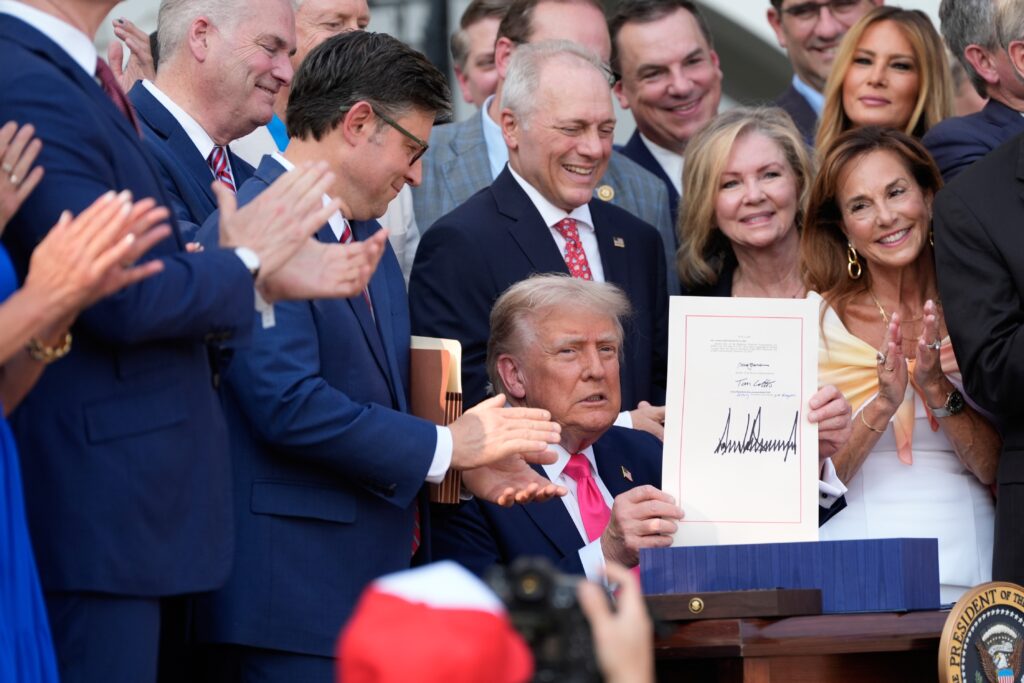
In 2025, Washington, D.C. witnessed a series of significant events that reshaped immigration policy, tariffs, and federal health care programs under President Donald Trump, who returned to office following a decisive victory in the 2024 elections. With Republican majorities in both chambers of Congress, the administration enacted sweeping changes, including a major tax cuts and domestic spending bill, while facing unprecedented challenges such as a record six-week government shutdown.
Key Legislative Actions and Controversies
January began with the re-election of Louisiana Republican Mike Johnson as Speaker of the House, setting the stage for a series of GOP-favored bills focused on immigration and transgender student athletes. The Senate welcomed John Thune as the new Majority Leader, succeeding Mitch McConnell and promising to uphold the legislative filibuster.
On January 20, just before his second inauguration, Trump faced a court sentence related to the New York hush money case. Despite this, he commenced his term with a series of executive orders addressing immigration, climate change, and LGBTQ rights, while also pardoning 1,500 individuals connected to the January 6, 2021, Capitol attack. By the end of January, he signed the first bill of his new term, the Laken Riley Act, and announced tariffs on Canada, Mexico, and China.
February saw a wave of lawsuits challenging Trump’s policies from various groups, including Democratic attorneys general and immigrant rights organizations. The administration initiated a significant reduction in federal employment, terminating many probationary workers and calling for agency reorganization plans.
As March unfolded, Trump’s efforts to dismantle the Department of Education gained momentum with the Senate’s approval of Linda McMahon as its new secretary. McMahon’s initial directive emphasized state control over education, marking a shift in federal policy. Meanwhile, the U.S. Supreme Court Chief Justice John G. Roberts defended the judiciary against Trump’s criticisms.
Immigration Policy and Economic Changes
In April, the administration mistakenly deported Kilmar Abrego Garcia to El Salvador, prompting legal battles that escalated to the Supreme Court. The court ultimately ruled that officials must facilitate his return, highlighting the administration’s contentious immigration policies. Additionally, congressional Republicans made headway on their ambitious “big, beautiful bill,” which aimed to overhaul various sectors.
May brought significant Supreme Court decisions, allowing a ban on transgender military service members to remain in place and ruling on the administration’s treatment of Venezuelan immigrants. The House approved a comprehensive 1,116-page package, which would evolve into the “big, beautiful bill.”
June marked an aggressive expansion of tariffs, with Trump doubling tariffs on steel and aluminum from 25% to 50%. The Congressional Budget Office later reported that these measures could reduce the national deficit but may also hinder economic growth.
As July approached, the Senate passed a revised version of the “big, beautiful bill,” which included significant provisions regarding Medicaid, immigration, and education funding. Trump signed the legislation on July 4, projecting an anticipated increase in the federal deficit by $3.394 trillion over the next decade. The bill also aimed to remove health insurance for approximately 10 million individuals.
Political Tensions and Ongoing Challenges
August saw Trump impose a 15% tariff on imports from numerous countries, raising rates on specific nations, including 30% on products from South Africa. Concurrently, a New York appeals court upheld a significant financial penalty against Trump for fraud related to his real estate holdings.
By September, political violence escalated with the assassination of conservative activist Charlie Kirk and the targeted shooting of National Guard members in Washington, D.C. These events underscored a growing atmosphere of political tension in the country.
As the year drew to a close, Congress faced a critical funding stalemate that threatened government operations. Despite efforts to negotiate a resolution, many federal programs faced disruptions, impacting employees and services nationwide.
In December, the Trump administration continued its push for stricter immigration policies, raising concerns regarding asylum seekers and deportations. The year ended with ongoing legal battles and the potential for further political upheaval in the coming months.
Overall, 2025 was a transformative year in Washington, reflecting the complexities of governance and the far-reaching implications of policy decisions made in the nation’s capital.










Belfast Gears Up for Vibrant St Patrick’s Day Parade on March 17

Cuba Faces Nationwide Blackout Amid Deepening Energy Crisis

Wirral Council to Restructure Leadership, Cutting Two Top Roles

Rethinking Resistance Training: Key Insights from US Experts

EU Membership on the Horizon: What It Means for Citizens

Ukrainian Drone Swarms Strike Moscow Region for Second Day

Henley Launches Innovative Initiative to Boost Local Economy

Court Ruling Allows Pandemic Tax Refund Claims Until 2026

Sean Penn’s Absence at 2026 Oscars Sparks Discussion

Coronation Street’s Shocking Murder Twist Reveals Family Secrets

Andrew Pierce Confirms Departure from ITV’s Good Morning Britain

Katie Price Faces New Health Concerns After Cancer Symptoms Resurface

Sue Radford Reveals Weight Loss Journey, Shedding 12–13 kg

Kate Garraway Sells £2 Million Home Amid Financial Struggles

Jordan Brook Faces Health Crisis in Hospital as Sophie Kasaei Stays Away

EastEnders’ Nicola Mitchell Faces Unexpected Pregnancy Crisis

Bailey Announces Heartbreaking Split from Rebecca After Reunion

Ann Ming Reflects on ITV’s ‘I Fought the Law’ Drama
-
 World4 months ago
Coronation Street’s Shocking Murder Twist Reveals Family Secrets
-
 Entertainment4 months ago
Andrew Pierce Confirms Departure from ITV’s Good Morning Britain
-
 Health7 months ago
Katie Price Faces New Health Concerns After Cancer Symptoms Resurface
-
 Health2 months ago
Sue Radford Reveals Weight Loss Journey, Shedding 12–13 kg
-
 Entertainment8 months ago
Kate Garraway Sells £2 Million Home Amid Financial Struggles
-
 Entertainment3 weeks ago
Jordan Brook Faces Health Crisis in Hospital as Sophie Kasaei Stays Away
-
 World5 months ago
EastEnders’ Nicola Mitchell Faces Unexpected Pregnancy Crisis
-
 World5 months ago
Bailey Announces Heartbreaking Split from Rebecca After Reunion
-
 Entertainment7 months ago
Ann Ming Reflects on ITV’s ‘I Fought the Law’ Drama
-

 Entertainment2 months ago
Selena Gomez’s Name Linked to Epstein: Examining the Claims
-

 Health7 months ago
TOWIE Stars Sophie Kasaei and Jordan Brook Pursue Fertility Treatment
-

 Health7 months ago
Fiona Phillips’ Husband Shares Heartbreaking Update on Her Health