
Politics
Families Seek Safe Havens Amid Global Instability

Concerns about global stability have led families to explore potential “safe havens” as geopolitical tensions escalate. With ongoing territorial disputes involving China, the protracted Russia–Ukraine conflict, and heightened military posturing in the Asia-Pacific region, many are questioning where they might find refuge. This search for security often involves considering countries that offer political stability, food security, and geographic isolation from potential conflict zones.
The Southern Cone: A Viable Alternative
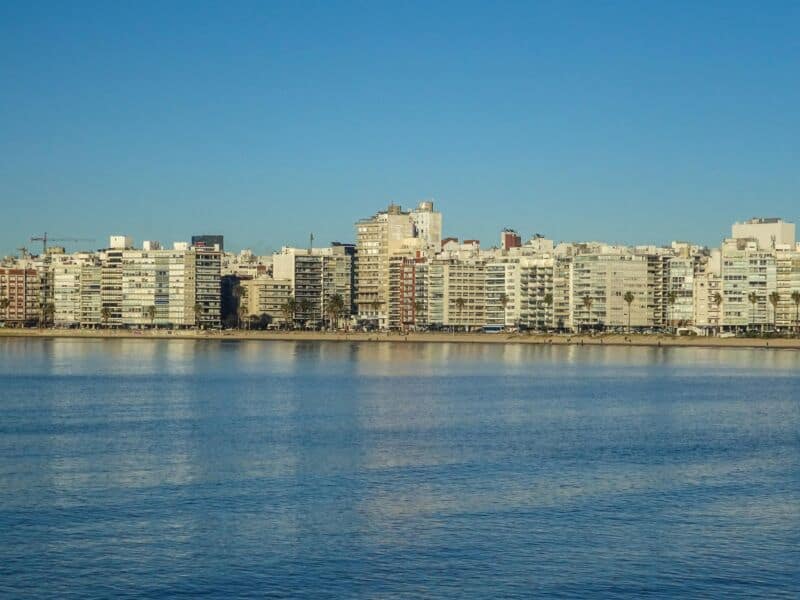
For those looking to relocate to the Southern Hemisphere, the Southern Cone of South America presents a compelling option. Uruguay, often referred to as the “Switzerland of South America,” is recognized for its political stability and strong agricultural output. The country exports significantly more food than it consumes, a crucial factor for families concerned about food security. Uruguay also provides residency pathways for individuals who can demonstrate financial independence, including income from abroad.
In contrast, Argentina presents both opportunities and challenges. While the nation is marked by economic volatility, its vast size and agricultural resources, particularly in the remote region of Patagonia, attract those seeking space and distance. Some analyses suggest that Southern Hemisphere countries like Argentina and Uruguay could fare better in food production during global crises compared to many Northern Hemisphere nations.
European Options: Portugal’s Appeal
While not in the Southern Hemisphere, Portugal frequently arises in discussions about relocation. The country offers various residency options aimed at retirees and remote workers, making it an attractive destination for families. As one of the more peaceful nations according to the Global Peace Index, Portugal provides a low-friction environment that aligns with many families’ definitions of a safe haven.
However, potential movers should be aware that residency rules can change, requiring prospective immigrants to stay informed about current requirements.
Iceland: The Geothermal Fortress
For those prioritizing geographic isolation, Iceland stands out. Located in the North Atlantic, Iceland has no standing armed forces, relying on NATO participation and its Coast Guard for security. The nation is notable for producing almost all of its electricity from domestic hydro and geothermal resources, which diminishes reliance on imported fuels. While Iceland’s energy independence is a significant advantage, it is essential to consider that transport still heavily depends on external resources.
Pacific Options: Vanuatu and Fiji
In the South Pacific, Vanuatu and Fiji offer opportunities for those seeking distance from continental conflicts. Both countries provide pathways to citizenship and residency through investment programs. However, families must weigh the appeal of geographic isolation against the realities of natural disaster risks and medical infrastructure limitations in these island nations.
The comparative summary below highlights key considerations for families contemplating relocation:
– **Uruguay**: High entry barriers based on income; benefits include food security and political stability; strategic risks are low.
– **Portugal**: High entry with multiple residency options; offers EU access and relative safety; moderate strategic risk due to its Northern Hemisphere location.
– **Iceland**: Moderate entry requirements; advantages include isolation and energy security; very low strategic risk.
– **Vanuatu**: Entry varies by pathway; strong geographic isolation; low risks, although natural-disaster exposure is higher.
The Global Peace Index serves as a crucial reference for these considerations. Published annually by the Institute for Economics and Peace, the index evaluates 163 states and territories using 23 indicators. The 2025 report indicates a continuing decline in global peacefulness, with the economic impact of violence estimated at $19.97 trillion in 2024, equivalent to 11.6% of global GDP.
Relocating to a “safe haven” is a multifaceted decision that extends beyond geography. Factors such as visas, healthcare, education, taxes, and community play critical roles. Despite the challenges, options like New Zealand, Uruguay, Portugal, Iceland, and select Pacific nations remain at the forefront for families seeking stability in an uncertain world. For many, knowing these alternatives is a first step towards planning a more secure future.










Belfast Gears Up for Vibrant St Patrick’s Day Parade on March 17

Cuba Faces Nationwide Blackout Amid Deepening Energy Crisis

Wirral Council to Restructure Leadership, Cutting Two Top Roles

Rethinking Resistance Training: Key Insights from US Experts

EU Membership on the Horizon: What It Means for Citizens

Ukrainian Drone Swarms Strike Moscow Region for Second Day

Henley Launches Innovative Initiative to Boost Local Economy

Court Ruling Allows Pandemic Tax Refund Claims Until 2026

Sean Penn’s Absence at 2026 Oscars Sparks Discussion

Coronation Street’s Shocking Murder Twist Reveals Family Secrets

Andrew Pierce Confirms Departure from ITV’s Good Morning Britain

Katie Price Faces New Health Concerns After Cancer Symptoms Resurface

Sue Radford Reveals Weight Loss Journey, Shedding 12–13 kg

Kate Garraway Sells £2 Million Home Amid Financial Struggles

Jordan Brook Faces Health Crisis in Hospital as Sophie Kasaei Stays Away

EastEnders’ Nicola Mitchell Faces Unexpected Pregnancy Crisis

Bailey Announces Heartbreaking Split from Rebecca After Reunion

Ann Ming Reflects on ITV’s ‘I Fought the Law’ Drama
-
 World4 months ago
Coronation Street’s Shocking Murder Twist Reveals Family Secrets
-
 Entertainment4 months ago
Andrew Pierce Confirms Departure from ITV’s Good Morning Britain
-
 Health7 months ago
Katie Price Faces New Health Concerns After Cancer Symptoms Resurface
-
 Health2 months ago
Sue Radford Reveals Weight Loss Journey, Shedding 12–13 kg
-
 Entertainment8 months ago
Kate Garraway Sells £2 Million Home Amid Financial Struggles
-
 Entertainment2 weeks ago
Jordan Brook Faces Health Crisis in Hospital as Sophie Kasaei Stays Away
-
 World5 months ago
EastEnders’ Nicola Mitchell Faces Unexpected Pregnancy Crisis
-
 World4 months ago
Bailey Announces Heartbreaking Split from Rebecca After Reunion
-
 Entertainment7 months ago
Ann Ming Reflects on ITV’s ‘I Fought the Law’ Drama
-

 Entertainment2 months ago
Selena Gomez’s Name Linked to Epstein: Examining the Claims
-

 Health7 months ago
TOWIE Stars Sophie Kasaei and Jordan Brook Pursue Fertility Treatment
-

 Health7 months ago
Fiona Phillips’ Husband Shares Heartbreaking Update on Her Health