
Lifestyle
Workshops Address AI’s Impact on Workplace Health in Montenegro

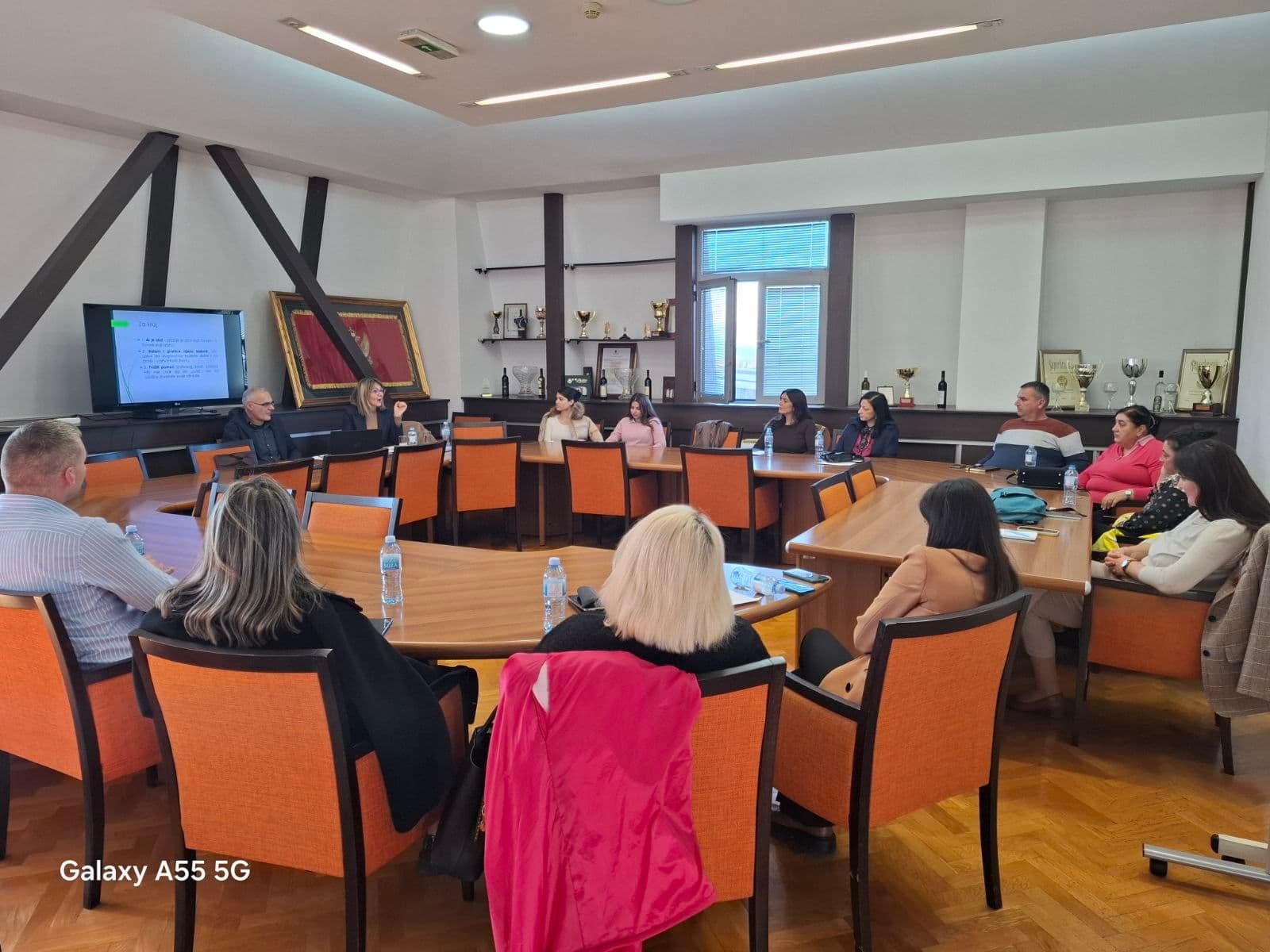
Recent workshops in Montenegro focused on the intersection of artificial intelligence and workplace health, aligning with the 2025 Action Plan and the 2022-2027 Strategy for improving workplace safety and health. Organized by the Ministry of Labour, Employment and Social Dialogue and the Confederation of Trade Unions of Montenegro (SSCG), the first workshop titled “Education in the Workplace – AI in the Context of Health and Safety at Work and Work-Life Balance” took place at Plantaze AD.
The initiative aimed to equip employees with knowledge about current workplace health challenges in a proactive and innovative manner. Participants engaged in two-way communication, allowing them to express their needs and perceptions regarding workplace safety and health. The workshop placed a particular emphasis on less visible aspects of workplace protection, notably mental health, chronic stress, and burnout syndrome. These issues are increasingly prevalent in modern work environments, exacerbated by the continuous use of digital tools and artificial intelligence, which blur the lines between professional and personal life.
During the event, speakers highlighted the growing risks associated with the integration of AI into the workplace. Danka Ćetković, a psychologist and HR consultant, addressed the dual nature of AI as both a potential ally and a threat to health and work-life balance. She pointed out that while AI can enhance productivity, it also poses significant risks, such as increased stress and burnout.
Vladimir Krsmanović, coordinator of activities for the SSCG, echoed these sentiments, stressing the necessity for additional elements in collective bargaining agreements. He called for a comprehensive approach to address the implications of digital technologies and algorithmic management in the workplace.
The workshop underscored the importance of social dialogue as a critical mechanism for mitigating the negative effects of algorithmic management. It also aimed to protect health and safety at work while preventing discrimination. Ensuring clarity in the criteria for collecting and using personal data was also a focal point, as this helps limit excessive monitoring of employees and respects their privacy.
The discussions reinforced the idea that mental health is not solely a private matter but a prerequisite for healthy organizations and societies. Maintaining employee well-being is essential for sustainable productivity and quality services.
The workshop marks the beginning of a series of educational activities designed to foster awareness of modern challenges in occupational health and safety. By addressing these critical topics, organizers hope to create a healthier work environment that prioritizes the well-being of employees as a fundamental goal.












Belfast Gears Up for Vibrant St Patrick’s Day Parade on March 17

Cuba Faces Nationwide Blackout Amid Deepening Energy Crisis

Wirral Council to Restructure Leadership, Cutting Two Top Roles

Rethinking Resistance Training: Key Insights from US Experts

EU Membership on the Horizon: What It Means for Citizens

Ukrainian Drone Swarms Strike Moscow Region for Second Day

Henley Launches Innovative Initiative to Boost Local Economy

Court Ruling Allows Pandemic Tax Refund Claims Until 2026

Sean Penn’s Absence at 2026 Oscars Sparks Discussion

Coronation Street’s Shocking Murder Twist Reveals Family Secrets

Andrew Pierce Confirms Departure from ITV’s Good Morning Britain

Katie Price Faces New Health Concerns After Cancer Symptoms Resurface

Gyles Brandreth Shares Grandson’s Cancer Battle and Recovery

Sue Radford Reveals Weight Loss Journey, Shedding 12–13 kg

Kate Garraway Sells £2 Million Home Amid Financial Struggles

Jordan Brook Faces Health Crisis in Hospital as Sophie Kasaei Stays Away

EastEnders’ Nicola Mitchell Faces Unexpected Pregnancy Crisis

Reddit Study Reveals Distinctions Between Lurkers and Power Users
-
 World8 months ago
Coronation Street’s Shocking Murder Twist Reveals Family Secrets
-
 Entertainment8 months ago
Andrew Pierce Confirms Departure from ITV’s Good Morning Britain
-
 Health12 months ago
Katie Price Faces New Health Concerns After Cancer Symptoms Resurface
-
 Health7 months ago
Gyles Brandreth Shares Grandson’s Cancer Battle and Recovery
-
 Health7 months ago
Sue Radford Reveals Weight Loss Journey, Shedding 12–13 kg
-
 Entertainment1 year ago
Kate Garraway Sells £2 Million Home Amid Financial Struggles
-
 Entertainment5 months ago
Jordan Brook Faces Health Crisis in Hospital as Sophie Kasaei Stays Away
-
 World10 months ago
EastEnders’ Nicola Mitchell Faces Unexpected Pregnancy Crisis
-
 Science8 months ago
Reddit Study Reveals Distinctions Between Lurkers and Power Users
-

 World9 months ago
Mother Charged After Son, 9, Killed in Tragic Incident in Italy
-

 Entertainment12 months ago
Ann Ming Reflects on ITV’s ‘I Fought the Law’ Drama
-

 World9 months ago
Bailey Announces Heartbreaking Split from Rebecca After Reunion