
Lifestyle
Why Pringles Chips Trigger Cravings: A Scientific Insight

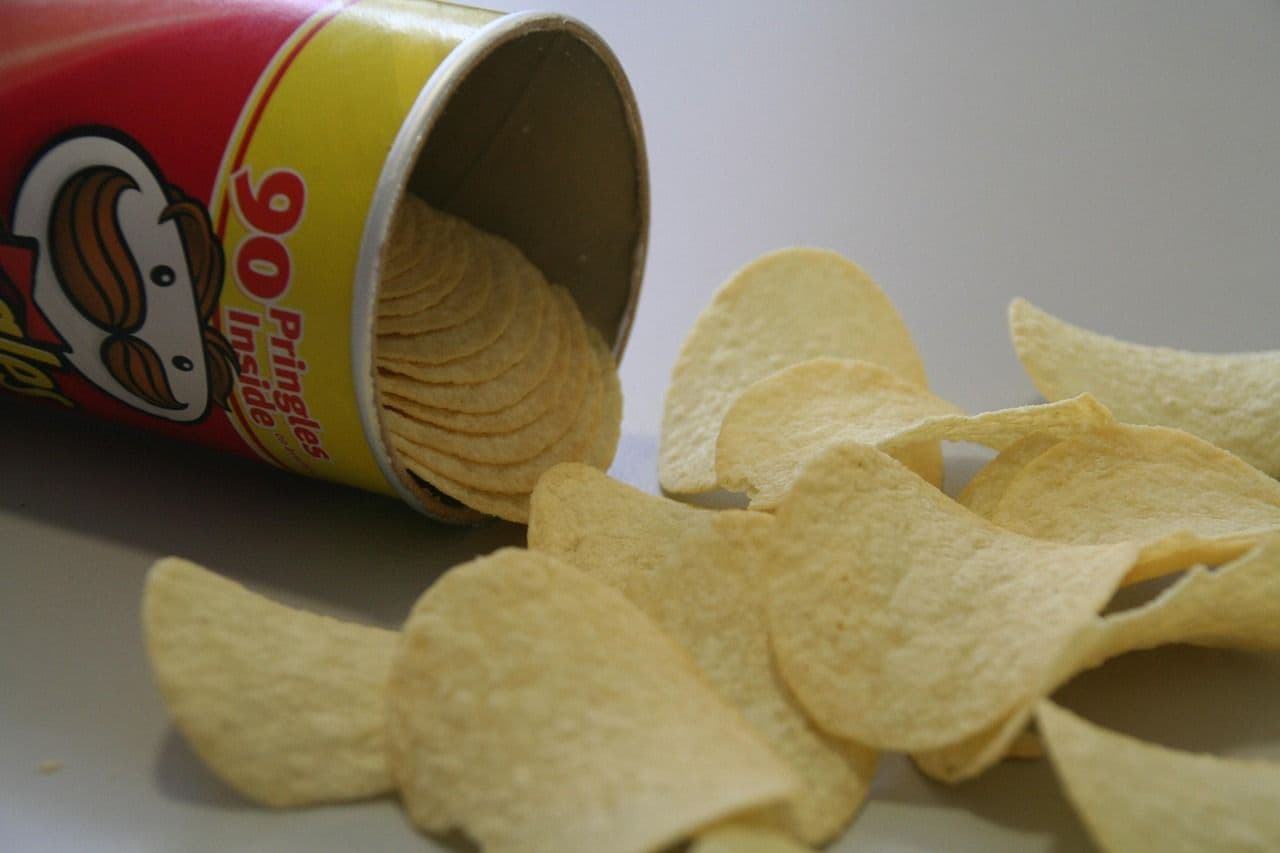
The popular snack, Pringles, has been identified as a food that can trigger cravings and even addiction-like behavior among consumers. This insight emerged from a recent episode of the podcast “Table Manners,” hosted by Jessie and Lennie Ware, where a mathematics professor and science writer discussed the reasons behind the overwhelming appeal of these chips.
During the podcast, the expert explained that our bodies have evolved over millions of years to respond to the foods we consume. When we crave something, such as chocolate, it is often due to specific molecules in that food that our bodies recognize as necessary. This connection between craving and biological need plays a vital role in our eating habits.
As the conversation progressed, the expert highlighted how Pringles are processed, which contributes to their addictive nature. “When food reaches a certain point in our digestive system, it releases hormones that signal satiety. Pringles are so processed that they behave almost as if they have been softened in a laboratory and then reformed. Therefore, when you eat them, they dissolve before reaching the part of your body that sends the message, ‘Thank you, I’m full,'” she explained. This unique characteristic means that consumers may never feel completely satisfied after eating them.
According to the official Pringles website, the chips are primarily made from dehydrated potatoes, starch, flour, salt, and seasonings. This production process differs significantly from traditional potato chips, which are typically made from sliced raw potatoes. As a result, Pringles are believed to contain approximately 50 percent less potato than regular chips.
The preparation of Pringles involves shaping dehydrated potato, frying it, and adding seasonings to create the final product. This distinct method of manufacturing may contribute to the snack’s widespread popularity and the ongoing challenge many face in resisting their consumption.
Understanding the science behind food cravings can shed light on our eating behaviors. As the discussion on “Table Manners” demonstrated, the combination of processing, taste, and our body’s biological responses plays a crucial role in why certain snacks, like Pringles, can be so difficult to resist.



Belfast Gears Up for Vibrant St Patrick’s Day Parade on March 17

Cuba Faces Nationwide Blackout Amid Deepening Energy Crisis

Wirral Council to Restructure Leadership, Cutting Two Top Roles

Rethinking Resistance Training: Key Insights from US Experts

EU Membership on the Horizon: What It Means for Citizens

Ukrainian Drone Swarms Strike Moscow Region for Second Day

Henley Launches Innovative Initiative to Boost Local Economy

Court Ruling Allows Pandemic Tax Refund Claims Until 2026

Sean Penn’s Absence at 2026 Oscars Sparks Discussion

Coronation Street’s Shocking Murder Twist Reveals Family Secrets

Andrew Pierce Confirms Departure from ITV’s Good Morning Britain

Katie Price Faces New Health Concerns After Cancer Symptoms Resurface

Gyles Brandreth Shares Grandson’s Cancer Battle and Recovery

Sue Radford Reveals Weight Loss Journey, Shedding 12–13 kg

Kate Garraway Sells £2 Million Home Amid Financial Struggles

Jordan Brook Faces Health Crisis in Hospital as Sophie Kasaei Stays Away

EastEnders’ Nicola Mitchell Faces Unexpected Pregnancy Crisis

Reddit Study Reveals Distinctions Between Lurkers and Power Users
-
 World9 months ago
Coronation Street’s Shocking Murder Twist Reveals Family Secrets
-
 Entertainment9 months ago
Andrew Pierce Confirms Departure from ITV’s Good Morning Britain
-
 Health12 months ago
Katie Price Faces New Health Concerns After Cancer Symptoms Resurface
-
 Health7 months ago
Gyles Brandreth Shares Grandson’s Cancer Battle and Recovery
-
 Health7 months ago
Sue Radford Reveals Weight Loss Journey, Shedding 12–13 kg
-
 Entertainment1 year ago
Kate Garraway Sells £2 Million Home Amid Financial Struggles
-
 Entertainment5 months ago
Jordan Brook Faces Health Crisis in Hospital as Sophie Kasaei Stays Away
-
 World10 months ago
EastEnders’ Nicola Mitchell Faces Unexpected Pregnancy Crisis
-
 Science9 months ago
Reddit Study Reveals Distinctions Between Lurkers and Power Users
-

 World9 months ago
Mother Charged After Son, 9, Killed in Tragic Incident in Italy
-

 Entertainment12 months ago
Ann Ming Reflects on ITV’s ‘I Fought the Law’ Drama
-

 World9 months ago
Bailey Announces Heartbreaking Split from Rebecca After Reunion