
Lifestyle
Green Lentils Outperform Others in Antioxidants and Fiber

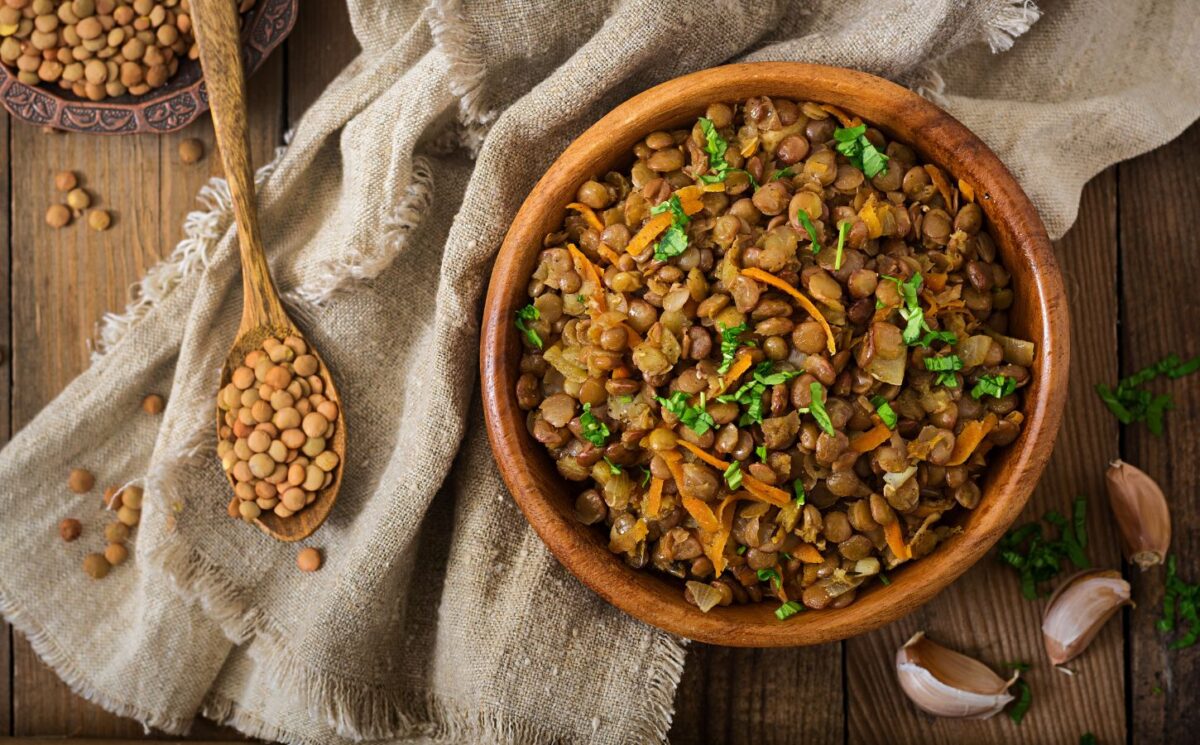
Recent findings concerning the nutritional profile of lentils reveal significant differences between varieties, particularly highlighting the superiority of green lentils in terms of antioxidants and fiber. A video from Plant Based Science London underscores these distinctions, featuring insights from Dr. Michael Greger, a physician and nutrition researcher known for his work with NutritionFacts.org. This research could have important implications for dietary choices, especially for those at risk of metabolic diseases.
Green Lentils: A Nutritional Powerhouse
The video presentation begins by challenging the conventional wisdom that darker lentil varieties, such as black or red lentils, are nutritionally superior. According to Dr. Greger, “Lentils were another big surprise. I would have guessed black or red lentils to be up there with brown or green at the bottom. But green lentils have about four times the antioxidant power of red ones.” This unexpected finding positions green lentils among the top contenders for antioxidant content, which is crucial for combating oxidative stress linked to various health issues, including inflammation and cardiovascular disease.
Antioxidants play a vital role in neutralizing free radicals in the body, and higher intake is consistently associated with a lower risk of diseases. Therefore, the elevated antioxidant levels in green lentils may confer additional health benefits to individuals who incorporate them into their diets.
Protein and Fiber: Key Benefits of Green Lentils
The video also emphasizes the impressive macronutrient profile of green lentils, which are noted for their high protein content. Green lentils account for nearly 30% of their calories from protein, ranking them among the top plant-based sources, just behind soya, hemp, and lupin beans. This characteristic makes them particularly valuable for those following plant-based diets, where legumes are often a primary protein source.
In addition to protein, green lentils boast a superior fiber content compared to other varieties, including red, yellow, brown, and black lentils. Increased dietary fiber is linked to numerous health advantages, such as improved gut health, lower cholesterol levels, and better blood sugar regulation. Fiber also promotes the growth of beneficial gut bacteria, which can assist in reducing inflammation and enhancing overall health.
A noteworthy aspect of the research is a controlled dietary study that monitored the effects of regular green lentil consumption over a period of 12 weeks. Participants in the intervention group consumed approximately 980 grams of cooked green lentils weekly, averaging around 140 grams per meal. The control group ate similar meals, but with meat as a substitute for lentils.
Research findings indicated significant improvements in the lentil group, including lower levels of LDL and total cholesterol, reduced post-meal glucose spikes, and decreased markers of inflammation. Specifically, plasma levels of interleukin-17 and interleukin-1 beta were significantly lower, suggesting a reduction in systemic inflammation, a factor linked to cardiovascular disease and type 2 diabetes.
Concerns regarding potential digestive discomfort associated with high lentil consumption were also addressed in the study. Participants reported no significant digestive issues, with most experiencing mild or no symptoms. This suggests that with gradual increases in fiber intake and proper cooking methods, such as soaking and thorough cooking, lentils can be well-tolerated by the digestive system.
The researchers concluded that incorporating lentils into the diet could be an effective strategy for reducing the risk of chronic diseases and slowing metabolic decline in vulnerable populations. The video reaffirms the protective nature of legumes as part of a healthy diet, with one physician noting, “With regards to their powerful effect in preventing type 2 diabetes, if a drug had that kind of result, we’d probably prescribe it.”
As interest in plant-based nutrition grows, the findings presented reinforce the value of traditional foods like lentils, which have been staples in human diets for centuries. Given their affordability and availability, adding a serving of green lentils to daily meals may represent one of the simplest dietary changes with substantial health benefits.
For further insights and plant-based nutrition content, viewers can explore more on the Plant Based Science London YouTube channel.

Belfast Gears Up for Vibrant St Patrick’s Day Parade on March 17

Cuba Faces Nationwide Blackout Amid Deepening Energy Crisis

Wirral Council to Restructure Leadership, Cutting Two Top Roles

Rethinking Resistance Training: Key Insights from US Experts

EU Membership on the Horizon: What It Means for Citizens

Ukrainian Drone Swarms Strike Moscow Region for Second Day

Henley Launches Innovative Initiative to Boost Local Economy

Court Ruling Allows Pandemic Tax Refund Claims Until 2026

Sean Penn’s Absence at 2026 Oscars Sparks Discussion

Coronation Street’s Shocking Murder Twist Reveals Family Secrets

Andrew Pierce Confirms Departure from ITV’s Good Morning Britain

Katie Price Faces New Health Concerns After Cancer Symptoms Resurface

Gyles Brandreth Shares Grandson’s Cancer Battle and Recovery

Sue Radford Reveals Weight Loss Journey, Shedding 12–13 kg

Kate Garraway Sells £2 Million Home Amid Financial Struggles

Jordan Brook Faces Health Crisis in Hospital as Sophie Kasaei Stays Away

EastEnders’ Nicola Mitchell Faces Unexpected Pregnancy Crisis

Reddit Study Reveals Distinctions Between Lurkers and Power Users
-
 World9 months ago
Coronation Street’s Shocking Murder Twist Reveals Family Secrets
-
 Entertainment9 months ago
Andrew Pierce Confirms Departure from ITV’s Good Morning Britain
-
 Health12 months ago
Katie Price Faces New Health Concerns After Cancer Symptoms Resurface
-
 Health7 months ago
Gyles Brandreth Shares Grandson’s Cancer Battle and Recovery
-
 Health7 months ago
Sue Radford Reveals Weight Loss Journey, Shedding 12–13 kg
-
 Entertainment1 year ago
Kate Garraway Sells £2 Million Home Amid Financial Struggles
-
 Entertainment5 months ago
Jordan Brook Faces Health Crisis in Hospital as Sophie Kasaei Stays Away
-
 World10 months ago
EastEnders’ Nicola Mitchell Faces Unexpected Pregnancy Crisis
-
 Science9 months ago
Reddit Study Reveals Distinctions Between Lurkers and Power Users
-

 World9 months ago
Mother Charged After Son, 9, Killed in Tragic Incident in Italy
-

 Entertainment12 months ago
Ann Ming Reflects on ITV’s ‘I Fought the Law’ Drama
-

 World9 months ago
Bailey Announces Heartbreaking Split from Rebecca After Reunion