
Lifestyle
New Law Changes Costs for Citizens Seeking Public Information


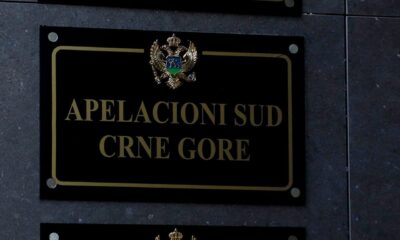
In Montenegro, a recent amendment to the Law on Free Access to Information has raised significant concerns regarding the financial burden placed on citizens seeking public information. Darvin Muric, the editor-in-chief of the investigative portal Raskrinkavanje.me, has highlighted that individuals who sue public institutions for withholding information will now be responsible for their own legal costs, even if they win their case. This change stems from an amendment proposed by Vasilije Charapic of the Movement for Change (PES) that was adopted late last year.
Under the previous framework, if a citizen requested information about how the government spends public funds and the institution failed to comply, they could take their case to the Administrative Court. If the court ruled in favor of the citizen, the institution was liable for the legal costs incurred. However, the new amendment stipulates that “each party in an administrative dispute due to silence from the administration bears its own costs.” This shift has been described by Muric as a major setback for transparency, echoing concerns expressed by international organizations.
Muric explained that the amendment was approved despite explicit warnings from international bodies that citizens should not incur costs when institutions fail to respond. He noted that Charapic’s initial proposal was even more stringent, suggesting that all costs should fall on the citizen or organization pursuing the case. Although this proposal was softened, the final version still requires both parties to bear their own expenses, essentially creating a “each party pays its own way” principle.
Charapic defended the amendment by arguing it would prevent misuse of the law, particularly regarding frivolous requests. He cited examples of citizens seeking outdated documents, such as school payrolls from years past. Yet, Muric pointed out that this rationale is not new; similar proposals were made by the Democratic Party of Socialists (DPS) in 2019.
The DPS’s earlier proposal asserted that in administrative procedures related to freedom of information, all parties would bear their costs regardless of the outcome. According to Muric, this reflects a persistent trend of discouraging citizens and non-governmental organizations from utilizing their rights to access information and encouraging institutions to withhold information without consequence.
International organizations, including SIGMA, have consistently opposed such measures. SIGMA, a joint initiative of the OECD and the European Commission, commented in 2019 on the DPS’s draft bill, recommending a different approach that would allow courts to determine costs based on the specifics of each case. Muric emphasized that SIGMA’s recommendations indicated that the new provision could grant the Administrative Court discretionary power to deny the reimbursement of legal costs even if the court rules in favor of the plaintiff, should the lawsuit be deemed more about financial compensation than genuine interest in information.
The proposed changes could deter citizens from filing requests for access to information, especially as legal fees for such cases can reach approximately €500. Muric stressed that if the amendment passes in its current form, individuals who win cases may still find their attorney’s fees unreimbursed, potentially discouraging them from seeking justice.
While the Law on Free Access to Information received a favorable review from the European Commission, Charapic’s amendment was not part of that assessment. Milica Kovacevic, the program director at the Center for Democratic Transition (CDT), noted that the law has been significantly weakened by amendments that emerged during the final stages of its adoption.
Kovacevic elaborated on the implications of the law, stating, “You submit a request for information to a ministry, seeking what should be publicly available, questioning how our money is spent. If the ministry chooses to remain silent, the administrative process becomes a closed door.” She pointed out that the Agency for Personal Data Protection and Free Access to Information (AZLP) is overwhelmed with cases, leading to prolonged delays in responses to citizens.
When citizens finally qualify to seek legal protection from the Administrative Court, they face a backlog of thousands of similar cases, which complicates the judicial process. Kovacevic expressed frustration that individuals, despite being rightfully entitled to information, often spend years and considerable financial resources to obtain it.
Muric concluded by stressing the importance of reforming the Law on Free Access to Information, which citizens, NGOs, and journalists rely on for crucial data. He highlighted that changes to the law have been awaited since 2017 and that there is a pressing need for a more progressive framework that enhances proactive transparency while eliminating business confidentiality as a basis for restricting access. The current legislative environment, driven by the PES amendment, unfortunately encourages institutions to ignore citizens’ requests, knowing few will be willing to bear the costs involved in obtaining information they are entitled to.












Belfast Gears Up for Vibrant St Patrick’s Day Parade on March 17

Cuba Faces Nationwide Blackout Amid Deepening Energy Crisis

Wirral Council to Restructure Leadership, Cutting Two Top Roles

Rethinking Resistance Training: Key Insights from US Experts

EU Membership on the Horizon: What It Means for Citizens

Ukrainian Drone Swarms Strike Moscow Region for Second Day

Henley Launches Innovative Initiative to Boost Local Economy

Court Ruling Allows Pandemic Tax Refund Claims Until 2026

Sean Penn’s Absence at 2026 Oscars Sparks Discussion

Coronation Street’s Shocking Murder Twist Reveals Family Secrets

Andrew Pierce Confirms Departure from ITV’s Good Morning Britain

Katie Price Faces New Health Concerns After Cancer Symptoms Resurface

Sue Radford Reveals Weight Loss Journey, Shedding 12–13 kg

Kate Garraway Sells £2 Million Home Amid Financial Struggles

Jordan Brook Faces Health Crisis in Hospital as Sophie Kasaei Stays Away

EastEnders’ Nicola Mitchell Faces Unexpected Pregnancy Crisis

Bailey Announces Heartbreaking Split from Rebecca After Reunion

Ann Ming Reflects on ITV’s ‘I Fought the Law’ Drama
-
 World4 months ago
Coronation Street’s Shocking Murder Twist Reveals Family Secrets
-
 Entertainment4 months ago
Andrew Pierce Confirms Departure from ITV’s Good Morning Britain
-
 Health7 months ago
Katie Price Faces New Health Concerns After Cancer Symptoms Resurface
-
 Health3 months ago
Sue Radford Reveals Weight Loss Journey, Shedding 12–13 kg
-
 Entertainment8 months ago
Kate Garraway Sells £2 Million Home Amid Financial Struggles
-
 Entertainment4 weeks ago
Jordan Brook Faces Health Crisis in Hospital as Sophie Kasaei Stays Away
-
 World5 months ago
EastEnders’ Nicola Mitchell Faces Unexpected Pregnancy Crisis
-
 World5 months ago
Bailey Announces Heartbreaking Split from Rebecca After Reunion
-
 Entertainment7 months ago
Ann Ming Reflects on ITV’s ‘I Fought the Law’ Drama
-

 Entertainment2 months ago
Selena Gomez’s Name Linked to Epstein: Examining the Claims
-

 Health7 months ago
TOWIE Stars Sophie Kasaei and Jordan Brook Pursue Fertility Treatment
-

 Health8 months ago
Fiona Phillips’ Husband Shares Heartbreaking Update on Her Health