
Lifestyle
Montenegro Faces Key Challenges in EU Reform Implementation

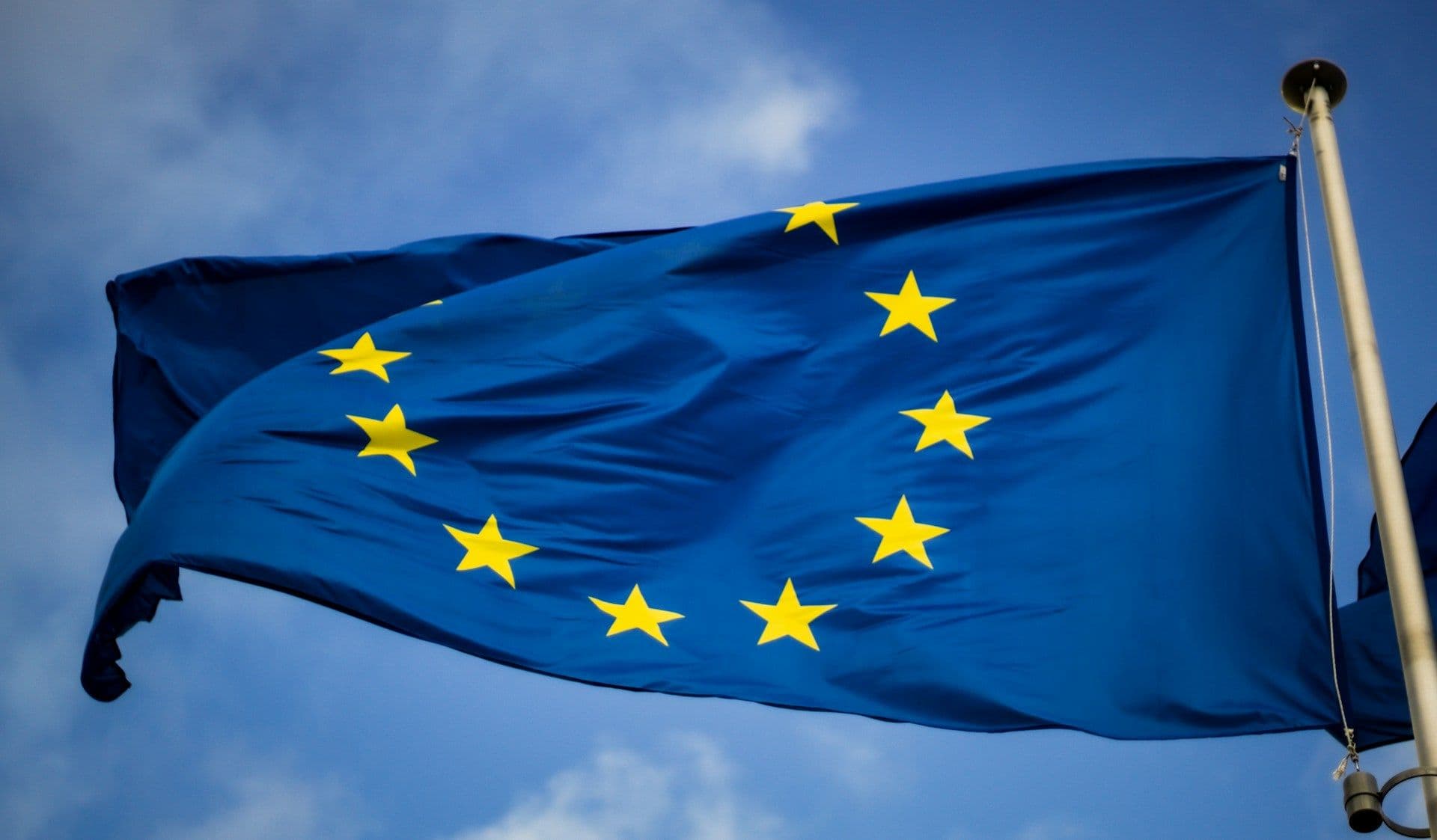
Montenegro has made significant strides in its journey towards European Union (EU) integration, particularly in public financial management and external auditing. According to Jana Repanšek, Director of the Center of Excellence in Finance (CEF), the closure of Chapter 32 confirms Montenegro’s ability to implement complex reforms. However, the country now faces the more challenging phase of enhancing managerial accountability and effectively linking reform priorities to its budget.
In a recent interview, Repanšek emphasized that EU enlargement is increasingly evaluated not merely by the number of laws passed, but by a country’s capacity to implement, finance, and demonstrate the results of reforms. Montenegro’s recent achievements in public financial control and external auditing are notable, but the critical aspects moving forward include consistent monitoring of outcomes and accountability.
Identifying Bottlenecks in Public Financial Management
Montenegro has entered a phase of accelerated reforms aimed at meeting final benchmarks required for EU membership. When asked about common weaknesses in public financial management, Repanšek pointed out that the main bottlenecks often stem from institutional capacity limitations and coordination challenges rather than a lack of ambition in reforms.
One significant issue is the connection between reform priorities and realistic budgeting. While reform measures are generally well-designed, they often lack integration into annual and mid-term fiscal planning, which creates risks during implementation. Coordination between institutions also remains problematic; final benchmarks typically require joint action from multiple ministries and agencies. Weak coordination mechanisms, staff turnover, and unclear divisions of responsibility can hinder progress, even when there is political commitment.
Monitoring, reporting, and accountability present another layer of complexity. Performance-based instruments, such as the Reform and Growth Instrument (RGF), demand reliable indicators, quality data, and timely reporting. Many administrations, including Montenegro’s, are transitioning from activity-based reporting to results-based reporting, which is essential for effective reform implementation.
Strengthening Institutional Capacity for Reform Coordination
Repanšek noted that Montenegro has made substantial progress in addressing these challenges, particularly in internal control and auditing systems. The support from CEF has focused on enhancing the roles of the Ministry of Finance and the Ministry of European Integration as central coordinators and strategic partners in the reform process.
Through the FISR 2 project, CEF has collaborated with reform teams to assess the fiscal and economic impacts of reform measures and align them with macro-fiscal frameworks. The CEF Facility support project in Montenegro aims to strengthen administrative capacities and ownership of public financial management reform coordination structures. This has made discussions with the European Commission more structured and evidence-based.
When reforms are backed by data, clear milestones, and realistic financing plans, discussions shift from general commitments to concrete implementation steps. This has led to a more credible reform agenda for Montenegro, enhancing reporting and communication with the Commission, particularly regarding economic and monetary policy and public financial control.
The improvements in planning and monitoring have become increasingly visible compared to just one or two years ago. Planning is now more disciplined and closely tied to fiscal reality, with reforms being integrated into official growth projections and medium-term plans rather than treated as parallel policies.
Political Stability and Institutional Resilience
Political stability is crucial for the success of reforms, especially when they are complex and time-sensitive. Repanšek observed that strong public administrations can significantly mitigate political uncertainty. When institutions operate professionally and are well-organized, reforms can proceed even amid political transitions.
Despite periods of political challenges, Montenegro’s institutions responsible for European integration have remained functional. Strengthening public administration is therefore not an alternative to political consensus; rather, it is a key stabilizing factor in complex political circumstances.
The effective use of EU funds remains a significant challenge across the region. Repanšek identified major institutional barriers that prevent European financing from yielding tangible developmental results. While EU funds are increasingly accessible, their effective utilization depends on the ability to prepare mature projects, ensure inter-institutional coordination, and monitor implementation.
Common challenges include underdeveloped project portfolios that do not meet funding criteria, poor alignment of strategic priorities with budgets, and limited capacities for monitoring and reporting. Without these elements, funds risk remaining unutilized or failing to produce visible results. CEF addresses these challenges by strengthening institutional systems and skills, helping administrations move from compliance to performance.
The FISR 2 project, which brings together Western Balkan countries and Turkey, highlights the importance of regional experience exchange. Countries face similar challenges, and learning from those that are slightly ahead or have tested various solutions accelerates progress.
Repanšek indicated that peer learning has proven to be a strong catalyst for change. Examples, such as improved auditing systems in Montenegro and digital tracking tools in Northern Macedonia, offer practical inspiration and instill confidence in the achievability of reforms.
Montenegro as a Model for Regional Best Practices
Montenegro’s progress in public financial control and external auditing, particularly in aligning with EU standards in Chapter 32, serves as a compelling example of sustainable institutional development. However, assessments from SIGMA indicate that while Montenegro is below average in internal controls, it performs above average in internal auditing.
These findings align with the European Commission’s view, which emphasizes the need for Montenegro to enhance managerial accountability and delegation of responsibilities among budget inspections and internal auditing functions. Beyond this chapter, examples of best practices could also emerge from Chapter 5, which is provisionally closed in 2025, as well as in public investment management, fiscal risk management, and centralized payroll systems.
Montenegro has demonstrated how political commitment to European integration can translate into concrete reform implementation, even in a complex political environment. Its experience of moving from planning to execution is particularly relevant for countries now entering similar phases of the accession process.
Repanšek concluded by encouraging young professionals in Montenegro’s public administration, who often work under tight deadlines and high expectations, to recognize the significance of their efforts. The EU accession process is not abstract; it is built day by day through the work of civil servants who design and implement policies, manage budgets, and ensure accountability.
The pressure is real, but so is the impact of their work. Strong institutions are foundational for trust, growth, and improved public services. By investing in their skills, integrity, and collaboration, young professionals are shaping Montenegro’s European future. CEF’s role is to support them on this journey, ensuring that expectations are matched with knowledge, tools, and confidence.










Belfast Gears Up for Vibrant St Patrick’s Day Parade on March 17

Cuba Faces Nationwide Blackout Amid Deepening Energy Crisis

Wirral Council to Restructure Leadership, Cutting Two Top Roles

Rethinking Resistance Training: Key Insights from US Experts

EU Membership on the Horizon: What It Means for Citizens

Ukrainian Drone Swarms Strike Moscow Region for Second Day

Henley Launches Innovative Initiative to Boost Local Economy

Court Ruling Allows Pandemic Tax Refund Claims Until 2026

Sean Penn’s Absence at 2026 Oscars Sparks Discussion

Coronation Street’s Shocking Murder Twist Reveals Family Secrets

Andrew Pierce Confirms Departure from ITV’s Good Morning Britain

Katie Price Faces New Health Concerns After Cancer Symptoms Resurface

Gyles Brandreth Shares Grandson’s Cancer Battle and Recovery

Sue Radford Reveals Weight Loss Journey, Shedding 12–13 kg

Kate Garraway Sells £2 Million Home Amid Financial Struggles

Jordan Brook Faces Health Crisis in Hospital as Sophie Kasaei Stays Away

EastEnders’ Nicola Mitchell Faces Unexpected Pregnancy Crisis

Reddit Study Reveals Distinctions Between Lurkers and Power Users
-
 World8 months ago
Coronation Street’s Shocking Murder Twist Reveals Family Secrets
-
 Entertainment8 months ago
Andrew Pierce Confirms Departure from ITV’s Good Morning Britain
-
 Health11 months ago
Katie Price Faces New Health Concerns After Cancer Symptoms Resurface
-
 Health6 months ago
Gyles Brandreth Shares Grandson’s Cancer Battle and Recovery
-
 Health6 months ago
Sue Radford Reveals Weight Loss Journey, Shedding 12–13 kg
-
 Entertainment1 year ago
Kate Garraway Sells £2 Million Home Amid Financial Struggles
-
 Entertainment5 months ago
Jordan Brook Faces Health Crisis in Hospital as Sophie Kasaei Stays Away
-
 World9 months ago
EastEnders’ Nicola Mitchell Faces Unexpected Pregnancy Crisis
-
 Science8 months ago
Reddit Study Reveals Distinctions Between Lurkers and Power Users
-

 World9 months ago
Mother Charged After Son, 9, Killed in Tragic Incident in Italy
-

 Entertainment11 months ago
Ann Ming Reflects on ITV’s ‘I Fought the Law’ Drama
-

 World9 months ago
Bailey Announces Heartbreaking Split from Rebecca After Reunion