
Lifestyle
Major Political Shift in Montenegro Following January 21 Elections

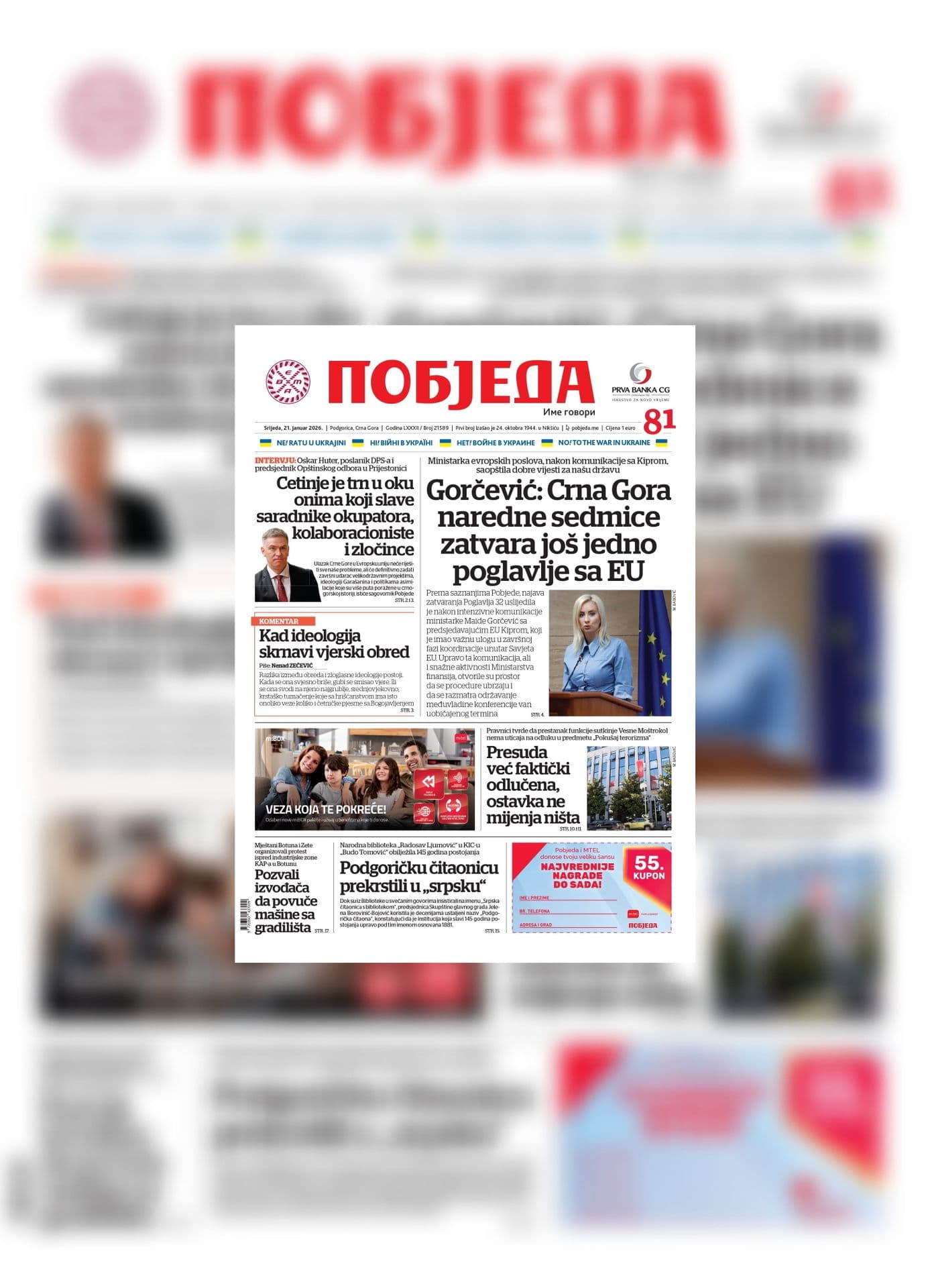
Montenegro experienced a significant shift in its political landscape following the parliamentary elections held on January 21, 2026. The results have led to a new coalition government, marking a departure from the long-standing dominance of the Democratic Party of Socialists (DPS). This transition signals a pivotal moment for the country’s political future and its integration with European institutions.
The elections saw a record voter turnout, with approximately 70% of eligible voters participating. This engagement reflects a heightened public interest in the political process, amidst ongoing debates about governance and reform in Montenegro. Analysts noted that the new coalition, which includes several smaller parties, aims to focus on economic development and anti-corruption measures.
Coalition Government Emerges
Following the election results, President Jakov Milatović announced the formation of a coalition government with the United Reform Action and other smaller parties. This coalition is seen as a response to the electorate’s desire for change, following nearly three decades of DPS rule. Political analysts suggest that this coalition could bring fresh ideas and approaches to governance, particularly concerning Montenegro’s aspirations for European Union membership.
The newly elected leaders are expected to prioritize reforms that align with EU standards. Key issues on the agenda include enhancing judicial independence, improving economic stability, and tackling corruption. These reforms are crucial for Montenegro as it seeks to advance its EU accession process, which has been stalled in recent years.
Public Reaction and Future Implications
The public reaction to the election results has been largely positive, with many citizens expressing hope for a more transparent and accountable government. A local resident, speaking on the condition of anonymity, stated, “We want to see real change and progress towards Europe.” This sentiment reflects a broader desire for transformation within the country.
Economically, the new government faces challenges, including a need to address rising unemployment and inflation. The coalition has promised to implement measures to stimulate growth and attract foreign investment. Observers will be closely watching how these initiatives unfold in the coming months.
The international community has also shown interest in the developments within Montenegro. Officials from the European Union have welcomed the election results and expressed readiness to support the new government in its reform efforts.
As Montenegro embarks on this new chapter, the implications of these elections will resonate far beyond its borders. The outcome may influence regional dynamics in the Balkans, particularly regarding EU integration processes. Moving forward, the success of the coalition government will depend on its ability to unify various political factions and deliver on its promises to the electorate.











Belfast Gears Up for Vibrant St Patrick’s Day Parade on March 17

Cuba Faces Nationwide Blackout Amid Deepening Energy Crisis

Wirral Council to Restructure Leadership, Cutting Two Top Roles

Rethinking Resistance Training: Key Insights from US Experts

EU Membership on the Horizon: What It Means for Citizens

Ukrainian Drone Swarms Strike Moscow Region for Second Day

Henley Launches Innovative Initiative to Boost Local Economy

Court Ruling Allows Pandemic Tax Refund Claims Until 2026

Sean Penn’s Absence at 2026 Oscars Sparks Discussion

Coronation Street’s Shocking Murder Twist Reveals Family Secrets

Andrew Pierce Confirms Departure from ITV’s Good Morning Britain

Katie Price Faces New Health Concerns After Cancer Symptoms Resurface

Gyles Brandreth Shares Grandson’s Cancer Battle and Recovery

Sue Radford Reveals Weight Loss Journey, Shedding 12–13 kg

Kate Garraway Sells £2 Million Home Amid Financial Struggles

Jordan Brook Faces Health Crisis in Hospital as Sophie Kasaei Stays Away

EastEnders’ Nicola Mitchell Faces Unexpected Pregnancy Crisis

Reddit Study Reveals Distinctions Between Lurkers and Power Users
-
 World9 months ago
Coronation Street’s Shocking Murder Twist Reveals Family Secrets
-
 Entertainment9 months ago
Andrew Pierce Confirms Departure from ITV’s Good Morning Britain
-
 Health12 months ago
Katie Price Faces New Health Concerns After Cancer Symptoms Resurface
-
 Health7 months ago
Gyles Brandreth Shares Grandson’s Cancer Battle and Recovery
-
 Health7 months ago
Sue Radford Reveals Weight Loss Journey, Shedding 12–13 kg
-
 Entertainment1 year ago
Kate Garraway Sells £2 Million Home Amid Financial Struggles
-
 Entertainment5 months ago
Jordan Brook Faces Health Crisis in Hospital as Sophie Kasaei Stays Away
-
 World10 months ago
EastEnders’ Nicola Mitchell Faces Unexpected Pregnancy Crisis
-
 Science9 months ago
Reddit Study Reveals Distinctions Between Lurkers and Power Users
-

 World9 months ago
Mother Charged After Son, 9, Killed in Tragic Incident in Italy
-

 Entertainment12 months ago
Ann Ming Reflects on ITV’s ‘I Fought the Law’ Drama
-

 Entertainment7 months ago
Selena Gomez’s Name Linked to Epstein: Examining the Claims