
Lifestyle
DPS Leader Živković Defends Budget Support Amid Controversy

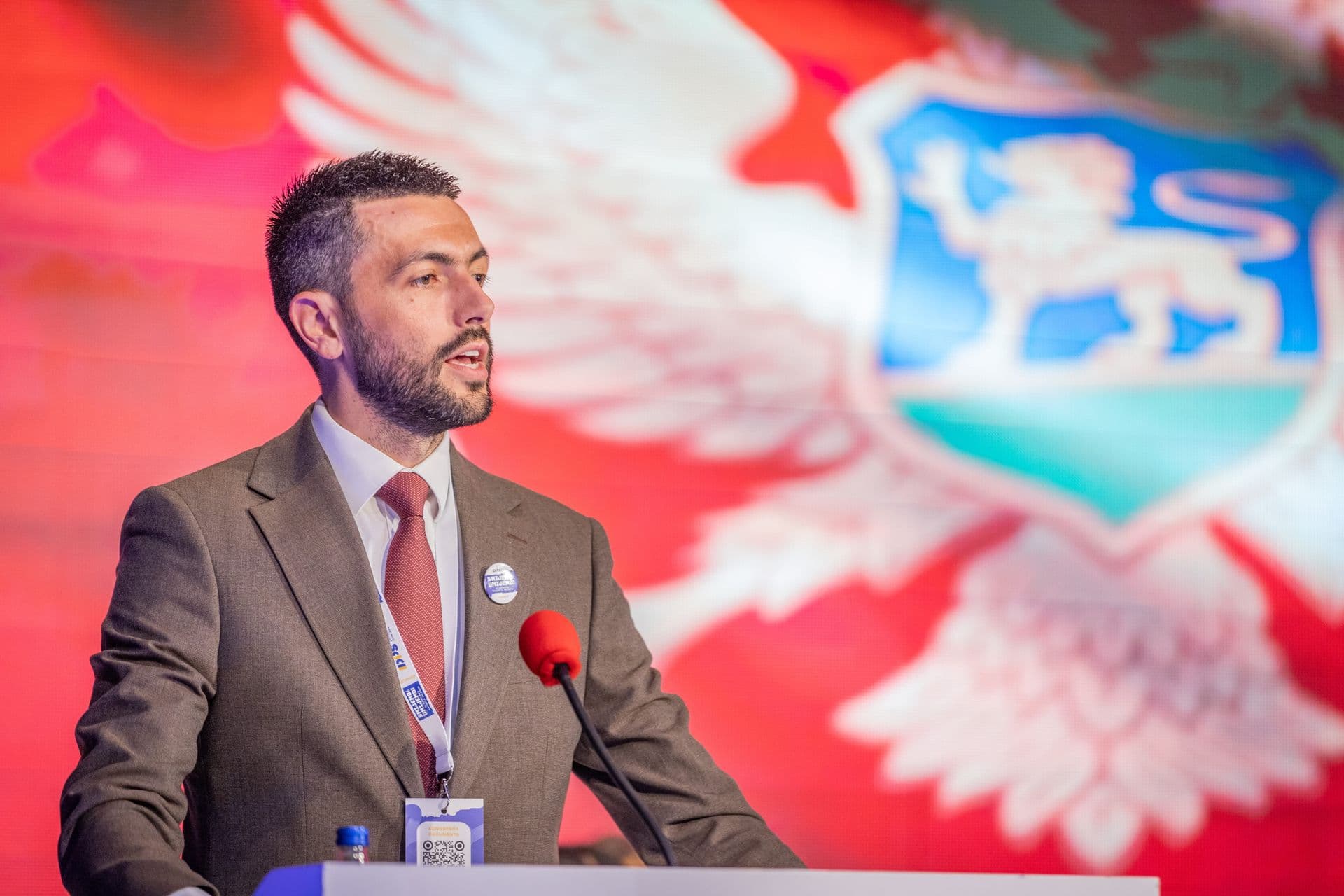
Danijel Živković, the leader of the Democratic Party of Socialists (DPS), has reaffirmed the party’s critical stance towards the Serbian Orthodox Church (SPC), despite supporting a $1 million donation to the church as part of the municipal budget in Budva. Živković clarified that this decision does not signify a change in the DPS’s political direction, emphasizing the party’s commitment to a secular and civic Montenegro.
In a recent interview with Portal Standard, Živković articulated the rationale behind the DPS’s support for the Budva budget, which has raised questions among the public regarding whether the party has altered its position on the SPC. He stated, “The DPS remains consistent in its civic, secular, and state-building character for Montenegro,” reiterating that the church’s influence has often exceeded acceptable limits within a constitutional framework.
The DPS’s support follows the 2024 local elections, which saw a coalition led by the Democratic Front (DF) ousted from power after a decade of ineffective governance. Živković noted that the DPS played a crucial role in this transition. He emphasized that the current local government is functional and positioned to restore Budva’s status as a premier tourist destination.
Critics have questioned the appropriateness of allocating municipal funds to the SPC, given its previous characterization as a hindrance to Montenegro’s national interests. Živković responded firmly, asserting, “The decision to support the Budva budget reflects a strategic choice to preserve partnerships that can enhance Montenegro’s regional stability.” He acknowledged that while the DPS disagrees with the donation to the SPC, the broader goal of maintaining a stable coalition government outweighed the concerns regarding this specific budget item.
Živković recognized the delicate balance of coalition governance, stating, “The DPS is part of a coalition that inherently encompasses differing viewpoints.” He emphasized that the current partnership has allowed Budva to celebrate Montenegro’s independence and cultural heritage after a decade-long absence.
### Challenges and Future Directions
Looking ahead, Živković outlined the challenges facing the DPS and its coalition partners. He noted that the political landscape remains fraught with difficulties, particularly regarding identity issues and external influences on Montenegro’s governance. He stressed that the DPS is committed to a pro-European agenda and seeks to navigate these complexities while ensuring that the nation’s interests remain paramount.
On the issue of environmental projects, specifically the construction of a collector in Botun, Živković expressed concern over the politicization of ecological matters. He stated that the ongoing challenges reflect a broader trend of instability within local governments, which is exacerbated by a fragmented parliamentary majority. He described the situation as a “government of blockades,” which undermines democratic processes and the welfare of citizens.
Živković criticized the attempts by certain political factions to shift the focus from pressing environmental issues to identity politics, asserting that these maneuvers serve to obstruct meaningful governance. He called for a more responsible approach to politics, emphasizing the need for a stable, pro-European administration capable of advancing Montenegro’s EU aspirations.
In his concluding remarks, Živković asserted the necessity for Montenegrin leaders to articulate and defend national interests against external pressures. He remarked, “It is imperative that we demonstrate resilience against attempts to disrupt our European path.” He reiterated the DPS’s readiness to engage in serious discussions aimed at fostering long-term stability and collaboration within Montenegro’s political landscape.
Živković’s comments highlight the ongoing complexities in Montenegro’s political arena, particularly as the country navigates its identity, governance, and aspirations for European integration. The DPS remains a significant player in shaping the future trajectory of the nation amidst these evolving dynamics.











Belfast Gears Up for Vibrant St Patrick’s Day Parade on March 17

Cuba Faces Nationwide Blackout Amid Deepening Energy Crisis

Wirral Council to Restructure Leadership, Cutting Two Top Roles

Rethinking Resistance Training: Key Insights from US Experts

EU Membership on the Horizon: What It Means for Citizens

Ukrainian Drone Swarms Strike Moscow Region for Second Day

Henley Launches Innovative Initiative to Boost Local Economy

Court Ruling Allows Pandemic Tax Refund Claims Until 2026

Sean Penn’s Absence at 2026 Oscars Sparks Discussion

Coronation Street’s Shocking Murder Twist Reveals Family Secrets

Andrew Pierce Confirms Departure from ITV’s Good Morning Britain

Katie Price Faces New Health Concerns After Cancer Symptoms Resurface

Gyles Brandreth Shares Grandson’s Cancer Battle and Recovery

Sue Radford Reveals Weight Loss Journey, Shedding 12–13 kg

Kate Garraway Sells £2 Million Home Amid Financial Struggles

Jordan Brook Faces Health Crisis in Hospital as Sophie Kasaei Stays Away

EastEnders’ Nicola Mitchell Faces Unexpected Pregnancy Crisis

Reddit Study Reveals Distinctions Between Lurkers and Power Users
-
 World9 months ago
Coronation Street’s Shocking Murder Twist Reveals Family Secrets
-
 Entertainment9 months ago
Andrew Pierce Confirms Departure from ITV’s Good Morning Britain
-
 Health12 months ago
Katie Price Faces New Health Concerns After Cancer Symptoms Resurface
-
 Health7 months ago
Gyles Brandreth Shares Grandson’s Cancer Battle and Recovery
-
 Health7 months ago
Sue Radford Reveals Weight Loss Journey, Shedding 12–13 kg
-
 Entertainment1 year ago
Kate Garraway Sells £2 Million Home Amid Financial Struggles
-
 Entertainment5 months ago
Jordan Brook Faces Health Crisis in Hospital as Sophie Kasaei Stays Away
-
 World10 months ago
EastEnders’ Nicola Mitchell Faces Unexpected Pregnancy Crisis
-
 Science9 months ago
Reddit Study Reveals Distinctions Between Lurkers and Power Users
-

 World9 months ago
Mother Charged After Son, 9, Killed in Tragic Incident in Italy
-

 Entertainment12 months ago
Ann Ming Reflects on ITV’s ‘I Fought the Law’ Drama
-

 World9 months ago
Bailey Announces Heartbreaking Split from Rebecca After Reunion