
Lifestyle
Airlines Raise Ticket Prices as Fuel Costs Surge Amid Conflict

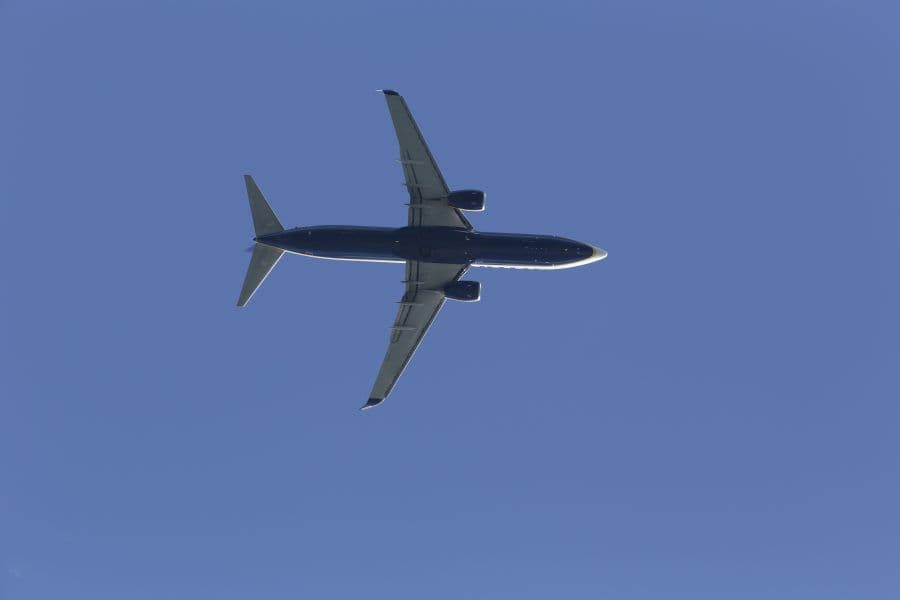
Airlines around the world are increasing ticket prices in response to soaring fuel costs, driven by ongoing conflict in the Middle East. Australian carrier Qantas Airways and Air New Zealand have recently announced fare hikes, highlighting the challenges global airlines face as they grapple with unexpected and rising fuel expenses.
Fuel represents the second-largest operational cost for airlines, following labor expenses, typically accounting for about 20% to 25% of their overall costs. While some major Asian and European airlines employ risk management strategies to mitigate oil price fluctuations, many American carriers have largely abandoned such practices over the past two decades.
In a significant development, jet fuel prices, which hovered around $85 to $90 per barrel before the conflict escalated, have surged to between $150 and $200 per barrel, as reported by Air New Zealand.
Impact of Geopolitical Tensions on Global Travel
The U.S.-Israeli conflict against Iran has triggered a sharp increase in oil prices, jeopardizing global travel and leading to steep fare hikes on various routes. This situation has raised concerns about a potential downturn in travel demand and the risk of widespread flight cancellations.
In an effort to adapt, Qantas has not only increased international ticket prices but is also exploring options to reroute capacity to Europe. This move comes as airlines and passengers aim to avoid disruptions in the Middle East, where flight operations are limited due to drone and missile threats.
Routes between Asia and Europe have seen particularly dramatic increases in ticket prices due to airspace closures and capacity constraints. Notably, Cathay Pacific Airways announced on Tuesday that it will add extra flights to London and Zurich in March to accommodate heightened demand.
Specific Price Adjustments Across Airlines
In its announcement, Air New Zealand indicated that it has raised one-way economy ticket prices by 10 New Zealand dollars (approximately $6 USD) on domestic routes, 20 New Zealand dollars on short international flights, and 90 New Zealand dollars on long-haul routes. Further price adjustments and changes to routes and schedules could occur if jet fuel prices remain elevated.
Additionally, Hong Kong Airlines has stated on its website that it will increase fuel surcharges by up to 35.2%, with the most significant increases affecting flights between Hong Kong and destinations such as the Maldives, Bangladesh, and Nepal. These surcharges will rise from 284 Hong Kong dollars to 384 Hong Kong dollars (approximately $49).
In a related development, Donald Trump commented on Monday that the conflict could be nearing an end, which contributed to a decrease in oil prices to around $90 per barrel on Tuesday, down from a peak of $119 on Monday. This fluctuation positively impacted the stock prices of certain airlines. Nevertheless, oil prices remain significantly higher than they were prior to the outbreak of the conflict.
As airlines navigate these turbulent times, passengers should expect further changes in ticket pricing and availability as companies respond to ongoing economic pressures related to fuel costs.










Belfast Gears Up for Vibrant St Patrick’s Day Parade on March 17

Cuba Faces Nationwide Blackout Amid Deepening Energy Crisis

Wirral Council to Restructure Leadership, Cutting Two Top Roles

Rethinking Resistance Training: Key Insights from US Experts

EU Membership on the Horizon: What It Means for Citizens

Ukrainian Drone Swarms Strike Moscow Region for Second Day

Henley Launches Innovative Initiative to Boost Local Economy

Court Ruling Allows Pandemic Tax Refund Claims Until 2026

Sean Penn’s Absence at 2026 Oscars Sparks Discussion

Coronation Street’s Shocking Murder Twist Reveals Family Secrets

Andrew Pierce Confirms Departure from ITV’s Good Morning Britain

Katie Price Faces New Health Concerns After Cancer Symptoms Resurface

Sue Radford Reveals Weight Loss Journey, Shedding 12–13 kg

Kate Garraway Sells £2 Million Home Amid Financial Struggles

Jordan Brook Faces Health Crisis in Hospital as Sophie Kasaei Stays Away

EastEnders’ Nicola Mitchell Faces Unexpected Pregnancy Crisis

Bailey Announces Heartbreaking Split from Rebecca After Reunion

Ann Ming Reflects on ITV’s ‘I Fought the Law’ Drama
-
 World4 months ago
Coronation Street’s Shocking Murder Twist Reveals Family Secrets
-
 Entertainment4 months ago
Andrew Pierce Confirms Departure from ITV’s Good Morning Britain
-
 Health7 months ago
Katie Price Faces New Health Concerns After Cancer Symptoms Resurface
-
 Health3 months ago
Sue Radford Reveals Weight Loss Journey, Shedding 12–13 kg
-
 Entertainment8 months ago
Kate Garraway Sells £2 Million Home Amid Financial Struggles
-
 Entertainment4 weeks ago
Jordan Brook Faces Health Crisis in Hospital as Sophie Kasaei Stays Away
-
 World5 months ago
EastEnders’ Nicola Mitchell Faces Unexpected Pregnancy Crisis
-
 World5 months ago
Bailey Announces Heartbreaking Split from Rebecca After Reunion
-
 Entertainment7 months ago
Ann Ming Reflects on ITV’s ‘I Fought the Law’ Drama
-

 Entertainment2 months ago
Selena Gomez’s Name Linked to Epstein: Examining the Claims
-

 Health7 months ago
TOWIE Stars Sophie Kasaei and Jordan Brook Pursue Fertility Treatment
-

 Health8 months ago
Fiona Phillips’ Husband Shares Heartbreaking Update on Her Health