
Health
Woman Urges Blood Pressure Checks After Stroke Experience

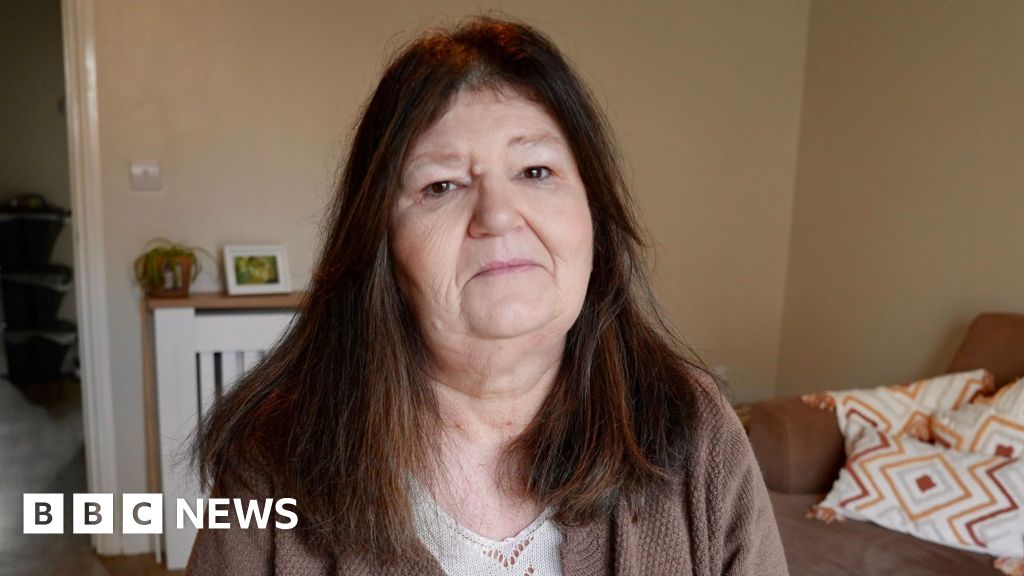
A woman from Cardiff is sharing her harrowing experience of having a stroke while taking a nap, urging others to monitor their blood pressure before it’s too late. Andrea Berry, 58, knew she had high blood pressure, but she was unaware of the heightened risks associated with the condition. Stroke is a leading cause of death in Wales, resulting in costs of approximately £220 million annually for the Welsh National Health Service (NHS). The Stroke Association has warned that without improvements to prevention and care, the number of strokes could increase significantly over the next decade.
On a day in 2024, after packing for a house move, Berry experienced what she described as a “terrifying” stroke. “I just didn’t understand what was happening to me,” she recalled. “You feel like a child in an adult’s body when parts of you are shutting down.” Despite her efforts to call for help, she found her voice had failed her.
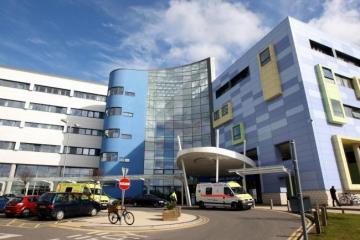
During her distress, Berry felt a rising temperature in her head, a symptom she later learned indicated increasing blood pressure. Fortunately, her son recognized the signs of a stroke from television advertisements and called for assistance. However, the family faced a four-hour wait for an ambulance. In a desperate move, they wrapped her in a duvet cover and transported her to the University Hospital of Wales themselves. There, she received life-saving treatment, leading to a lifestyle overhaul that included losing five stone. Berry feels “so lucky to be alive” after her ordeal.
Strokes occur when blood flow to the brain is interrupted, affecting speech, movement, and overall functionality. According to the NHS, approximately 7,000 people experience a stroke each year in Wales, and the condition can impact individuals of any age. High blood pressure is responsible for nearly half of all strokes, and individuals over the age of 50 face an increased risk.
Another individual, Marc Lloyd Williams, a former Welsh professional footballer, shared his own experience with high blood pressure. He discovered his condition at the age of 43 but dismissed it as a minor issue, believing it was related to his physical activity. Later that day, he noticed weakness in his right arm but continued to convince himself it wasn’t serious. It was only after his wife insisted he seek medical attention that he received urgent care.
The rising incidence of strokes is a growing concern, particularly as Wales’ elderly population increases. The Stroke Association estimates that the economic burden of stroke care could escalate from £1.63 billion to £2.8 billion annually by 2035. Angela Contestabile from the Stroke Association emphasized that a “postcode lottery” exists regarding treatment accessibility across Wales. She pointed out that stroke services have been declining since 2019 and urged the Welsh government to implement more coordinated prevention projects targeting high-risk individuals.
In response, the Welsh Government announced plans to publish an updated Quality Statement for Stroke aimed at enhancing prevention efforts and ensuring 24/7 access to life-saving treatment. A government spokesperson highlighted that up to 80% of strokes are preventable, making a strong focus on prevention crucial.
Welsh health spokesperson Mabon ap Gwynfor MS from Plaid Cymru commented on the declining treatment standards for stroke patients, stressing the need for better cooperation between health boards to improve outcomes. “If health boards won’t do it willingly, then we will legislate to ensure that they must work together,” he asserted.
Criticism of the current management of the NHS was echoed by representatives from other political parties, including Reform UK Wales and the Welsh Conservatives. They accused the ruling Labour party of failing to prioritize preventative health and adequately support stroke care.
The warnings from survivors like Berry and Lloyd Williams serve as stark reminders of the importance of health awareness. As Wales continues to grapple with the challenges of stroke prevention and treatment, the collective call for action could not be more urgent.











Belfast Gears Up for Vibrant St Patrick’s Day Parade on March 17

Cuba Faces Nationwide Blackout Amid Deepening Energy Crisis

Wirral Council to Restructure Leadership, Cutting Two Top Roles

Rethinking Resistance Training: Key Insights from US Experts

EU Membership on the Horizon: What It Means for Citizens

Ukrainian Drone Swarms Strike Moscow Region for Second Day

Henley Launches Innovative Initiative to Boost Local Economy

Court Ruling Allows Pandemic Tax Refund Claims Until 2026

Sean Penn’s Absence at 2026 Oscars Sparks Discussion

Coronation Street’s Shocking Murder Twist Reveals Family Secrets

Andrew Pierce Confirms Departure from ITV’s Good Morning Britain

Katie Price Faces New Health Concerns After Cancer Symptoms Resurface

Sue Radford Reveals Weight Loss Journey, Shedding 12–13 kg

Kate Garraway Sells £2 Million Home Amid Financial Struggles

Jordan Brook Faces Health Crisis in Hospital as Sophie Kasaei Stays Away

EastEnders’ Nicola Mitchell Faces Unexpected Pregnancy Crisis

Bailey Announces Heartbreaking Split from Rebecca After Reunion

Ann Ming Reflects on ITV’s ‘I Fought the Law’ Drama
-
 World4 months ago
Coronation Street’s Shocking Murder Twist Reveals Family Secrets
-
 Entertainment4 months ago
Andrew Pierce Confirms Departure from ITV’s Good Morning Britain
-
 Health7 months ago
Katie Price Faces New Health Concerns After Cancer Symptoms Resurface
-
 Health3 months ago
Sue Radford Reveals Weight Loss Journey, Shedding 12–13 kg
-
 Entertainment8 months ago
Kate Garraway Sells £2 Million Home Amid Financial Struggles
-
 Entertainment4 weeks ago
Jordan Brook Faces Health Crisis in Hospital as Sophie Kasaei Stays Away
-
 World5 months ago
EastEnders’ Nicola Mitchell Faces Unexpected Pregnancy Crisis
-
 World5 months ago
Bailey Announces Heartbreaking Split from Rebecca After Reunion
-
 Entertainment7 months ago
Ann Ming Reflects on ITV’s ‘I Fought the Law’ Drama
-

 Entertainment2 months ago
Selena Gomez’s Name Linked to Epstein: Examining the Claims
-

 Health7 months ago
TOWIE Stars Sophie Kasaei and Jordan Brook Pursue Fertility Treatment
-

 Health8 months ago
Fiona Phillips’ Husband Shares Heartbreaking Update on Her Health