
Health
New Urine Tests Aim to Detect Breast Cancer and Endometriosis

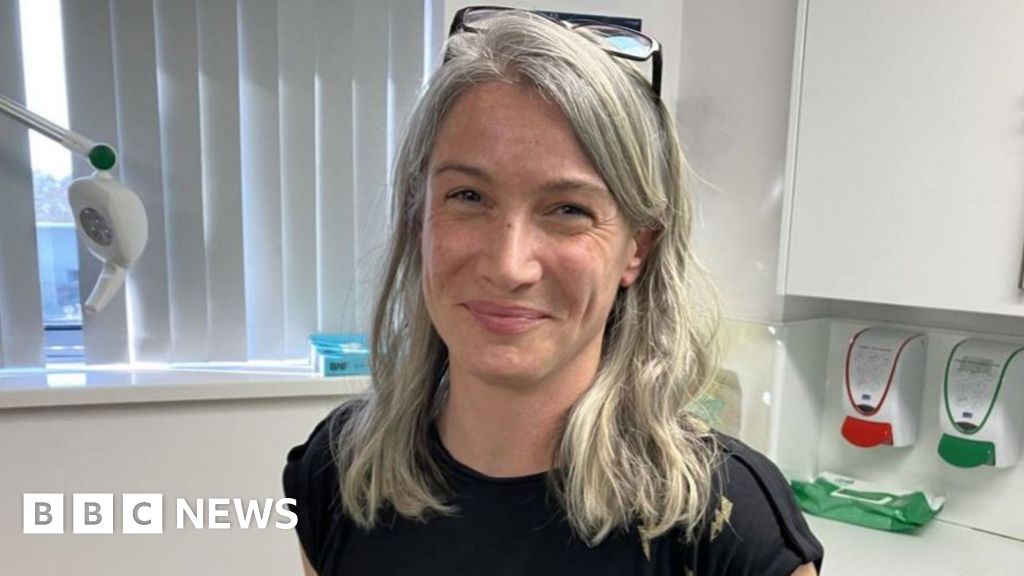
Researchers in Wales are developing innovative urine tests that could revolutionize the detection of breast cancer, endometriosis, and polycystic ovary syndrome (PCOS). Within the next year, a prototype kit is expected to be ready for detecting early-stage breast cancer using a lateral flow urine sample. The initiative aims to enhance diagnostic accuracy and reduce waiting times for women seeking diagnosis and treatment.
Advancements in Women’s Health Diagnostics
Prof Luis Mur from Aberystwyth University has indicated that significant changes can be identified in urine samples, allowing for the detection of breast cancer “with a high degree of accuracy.” The goal is to create at-home testing kits that can either be used independently by patients or in consultation with general practitioners. “We’ve found very important changes in urine to tell you’ve got breast cancer, and even [which] stage of breast cancer,” he explained. The same methodology is now being applied to develop tests for endometriosis and PCOS, conditions that often suffer from delayed and inadequate diagnoses.
These breast cancer testing kits are part of a broader initiative supported by the Welsh Government, which has allocated £75 million to women’s health research as part of its comprehensive women’s health plan. Prof Mur noted that the development of the lateral flow prototypes could take up to 18 months, followed by an additional three to five years for testing their accuracy. “We need to have 90% accuracy or greater,” he stated, emphasizing the importance of ensuring reliability in the testing kits.
Transforming Access to Women’s Health Services
Dr Helen Munro, the clinical lead for women’s health in Wales, highlighted the aim of the Women’s Health Research Centre to translate research findings into clinical practice more swiftly. Currently, evidence suggests that it takes approximately 17 years for research to be implemented in a clinical setting. “What we’re doing in Wales is working really closely with our academic universities and health boards to shorten that gap,” she said.
The ten-year women’s health plan, published in December 2024, aims to establish women’s health hubs in each health board across Wales. By the end of this month, every health board is expected to operate at least one hub, tailored to the needs of their respective communities. In the regions of west and mid Wales, Hywel Dda health board has organized the area into seven GP clusters, each of which will provide dedicated women’s health services.
Local general practitioners have received training to offer menopause and contraceptive care, and can accept referrals from other surgeries, improving access to specialist care. Dana Scott, who leads the women’s health plan for Hywel Dda, noted that this initiative aims to reduce referrals to secondary care and ensure women receive timely care at the hubs.
Dr Lauren Thomas, a sexual health doctor, has been instrumental in training GPs in more remote areas to perform procedures such as fitting coils and contraceptive implants. She pointed out that ultrasound biopsies will also be available in each county. “As a GP, I see women wait months and months to see gynecological specialists,” she said, indicating that many women are left with significant pain while waiting for treatment. The new community-based clinics aim to alleviate this issue, providing timely discussions, investigations, and treatments.
Despite the hubs differing in their specific offerings, they have been instructed to focus on three priority areas: menopause care, contraception, and pelvic health. Sarah Murphy MS, the minister responsible for women’s health, acknowledged that each health board is “starting from different places” but emphasized the importance of bridging gaps and breaking down barriers in health care access. “As we go forward, there will be an evaluation and we’ll spread that good practice across Wales,” she added.
The advancements in urine testing and the establishment of health hubs reflect a significant commitment to improving women’s health services in Wales, potentially transforming how conditions like breast cancer, endometriosis, and PCOS are diagnosed and managed.












Belfast Gears Up for Vibrant St Patrick’s Day Parade on March 17

Cuba Faces Nationwide Blackout Amid Deepening Energy Crisis

Wirral Council to Restructure Leadership, Cutting Two Top Roles

Rethinking Resistance Training: Key Insights from US Experts

EU Membership on the Horizon: What It Means for Citizens

Ukrainian Drone Swarms Strike Moscow Region for Second Day

Henley Launches Innovative Initiative to Boost Local Economy

Court Ruling Allows Pandemic Tax Refund Claims Until 2026

Sean Penn’s Absence at 2026 Oscars Sparks Discussion

Coronation Street’s Shocking Murder Twist Reveals Family Secrets

Andrew Pierce Confirms Departure from ITV’s Good Morning Britain

Katie Price Faces New Health Concerns After Cancer Symptoms Resurface

Gyles Brandreth Shares Grandson’s Cancer Battle and Recovery

Sue Radford Reveals Weight Loss Journey, Shedding 12–13 kg

Kate Garraway Sells £2 Million Home Amid Financial Struggles

Jordan Brook Faces Health Crisis in Hospital as Sophie Kasaei Stays Away

EastEnders’ Nicola Mitchell Faces Unexpected Pregnancy Crisis

Reddit Study Reveals Distinctions Between Lurkers and Power Users
-
 World8 months ago
Coronation Street’s Shocking Murder Twist Reveals Family Secrets
-
 Entertainment8 months ago
Andrew Pierce Confirms Departure from ITV’s Good Morning Britain
-
 Health11 months ago
Katie Price Faces New Health Concerns After Cancer Symptoms Resurface
-
 Health6 months ago
Gyles Brandreth Shares Grandson’s Cancer Battle and Recovery
-
 Health6 months ago
Sue Radford Reveals Weight Loss Journey, Shedding 12–13 kg
-
 Entertainment12 months ago
Kate Garraway Sells £2 Million Home Amid Financial Struggles
-
 Entertainment5 months ago
Jordan Brook Faces Health Crisis in Hospital as Sophie Kasaei Stays Away
-
 World9 months ago
EastEnders’ Nicola Mitchell Faces Unexpected Pregnancy Crisis
-
 Science8 months ago
Reddit Study Reveals Distinctions Between Lurkers and Power Users
-

 World9 months ago
Mother Charged After Son, 9, Killed in Tragic Incident in Italy
-

 Entertainment11 months ago
Ann Ming Reflects on ITV’s ‘I Fought the Law’ Drama
-

 World9 months ago
Bailey Announces Heartbreaking Split from Rebecca After Reunion