
Health
One in Five Dementia Patients Lack Essential Support, Report Reveals

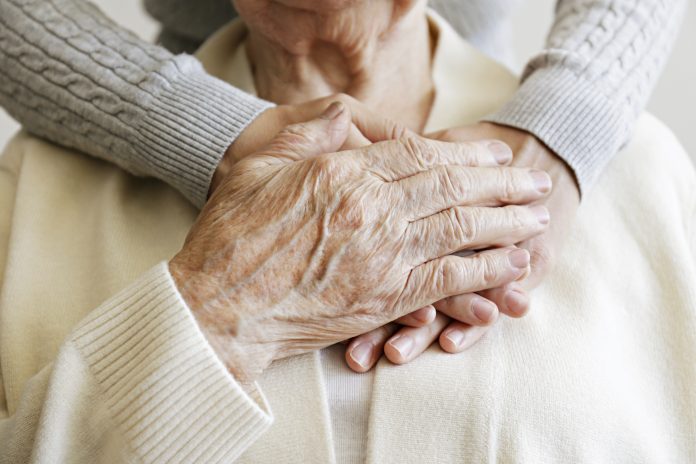
A recent survey conducted by the Alzheimer’s Society has revealed alarming statistics regarding dementia care in the United Kingdom. The findings indicate that one in five individuals affected by dementia receives no health, social, or financial support. Additionally, less than half of those receiving assistance feel that their needs are adequately met, underscoring a critical need for improvements in services and public awareness.
The survey, which gathered insights from nearly 3,500 people affected by dementia—including individuals living with the condition, unpaid carers, and family members—paints a sobering picture of the current support landscape. The data highlights not only the gaps in care but also the increasing urgency for systemic changes to ensure that those living with dementia and their families have access to the necessary resources.
Gaps in Care and Support
The report emphasizes that a significant portion of the dementia population is left without essential support. According to Professor Fiona Carragher, Chief Policy and Research Officer at the Alzheimer’s Society, “Almost a million people are living with dementia, yet its scale and the day-to-day realities often remain hidden. Far too many people are going without the help they need—whether it’s support after a diagnosis, trained care professionals, or someone to turn to when things get hard.”
The survey highlights barriers that individuals face in obtaining a diagnosis and subsequent care. For instance, only one-third of participants reported a positive experience when receiving a dementia diagnosis. Key challenges included long wait times (52%) and having to see multiple healthcare professionals (41%). Furthermore, fewer than half of those diagnosed received information about the specific type of dementia they are facing, which is crucial for effective management and care.
Stigma and Awareness Challenges
The findings also reveal that stigma surrounding dementia may deter individuals from seeking the support they need. Nearly 42% of respondents indicated feelings of shame or being stigmatised due to their condition. This stigma could contribute to low diagnosis rates, as individuals fear the social repercussions of being diagnosed. The research found that 46% of respondents were unsure whom to contact for social care support, a figure that rose to 62% among ethnically diverse respondents.
Professor Carragher emphasized the importance of timely and accurate diagnoses. “An early and accurate diagnosis is vital to enable people living with dementia to access the care, support, and treatments they so desperately need.” The survey highlighted that individuals who successfully navigated the healthcare system to receive treatment reported benefits, yet the overall rates of early diagnosis remain insufficient.
The survey also brought attention to the experiences of unpaid carers, revealing that 38% of them do not feel respected by social care professionals. This feeling of being undervalued escalates to 60% among carers from ethnically diverse backgrounds. Notably, 70% of unpaid carers reported that their mental or physical health had deteriorated due to their caregiving responsibilities, leading to increased social isolation and reduced time spent on enjoyable activities.
As the Alzheimer’s Society continues to advocate for improved support systems, the report serves as a call to action for policymakers and the public to address these essential gaps in care. The organization is working with governments across the UK to establish ambitious diagnosis rate targets and to ensure that all care staff receive proper dementia training.
In conclusion, the survey underscores the urgent need for enhanced dementia services, increased public awareness, and robust support systems to ensure that individuals living with dementia and their families receive the care they deserve. The Alzheimer’s Society aims to bring these critical issues to the forefront, hoping to galvanize society to take action against what has been described as the UK’s biggest health and care crisis.









Belfast Gears Up for Vibrant St Patrick’s Day Parade on March 17

Cuba Faces Nationwide Blackout Amid Deepening Energy Crisis

Wirral Council to Restructure Leadership, Cutting Two Top Roles

Rethinking Resistance Training: Key Insights from US Experts

EU Membership on the Horizon: What It Means for Citizens

Ukrainian Drone Swarms Strike Moscow Region for Second Day

Henley Launches Innovative Initiative to Boost Local Economy

Court Ruling Allows Pandemic Tax Refund Claims Until 2026

Sean Penn’s Absence at 2026 Oscars Sparks Discussion

Coronation Street’s Shocking Murder Twist Reveals Family Secrets

Andrew Pierce Confirms Departure from ITV’s Good Morning Britain

Katie Price Faces New Health Concerns After Cancer Symptoms Resurface

Gyles Brandreth Shares Grandson’s Cancer Battle and Recovery

Sue Radford Reveals Weight Loss Journey, Shedding 12–13 kg

Kate Garraway Sells £2 Million Home Amid Financial Struggles

Jordan Brook Faces Health Crisis in Hospital as Sophie Kasaei Stays Away

EastEnders’ Nicola Mitchell Faces Unexpected Pregnancy Crisis

Reddit Study Reveals Distinctions Between Lurkers and Power Users
-
 World9 months ago
Coronation Street’s Shocking Murder Twist Reveals Family Secrets
-
 Entertainment8 months ago
Andrew Pierce Confirms Departure from ITV’s Good Morning Britain
-
 Health12 months ago
Katie Price Faces New Health Concerns After Cancer Symptoms Resurface
-
 Health7 months ago
Gyles Brandreth Shares Grandson’s Cancer Battle and Recovery
-
 Health7 months ago
Sue Radford Reveals Weight Loss Journey, Shedding 12–13 kg
-
 Entertainment1 year ago
Kate Garraway Sells £2 Million Home Amid Financial Struggles
-
 Entertainment5 months ago
Jordan Brook Faces Health Crisis in Hospital as Sophie Kasaei Stays Away
-
 World10 months ago
EastEnders’ Nicola Mitchell Faces Unexpected Pregnancy Crisis
-
 Science8 months ago
Reddit Study Reveals Distinctions Between Lurkers and Power Users
-

 World9 months ago
Mother Charged After Son, 9, Killed in Tragic Incident in Italy
-

 Entertainment12 months ago
Ann Ming Reflects on ITV’s ‘I Fought the Law’ Drama
-

 World9 months ago
Bailey Announces Heartbreaking Split from Rebecca After Reunion