
Health
Nutritionists Urge Reassessment of ‘Unhealthy’ Foods We Fear

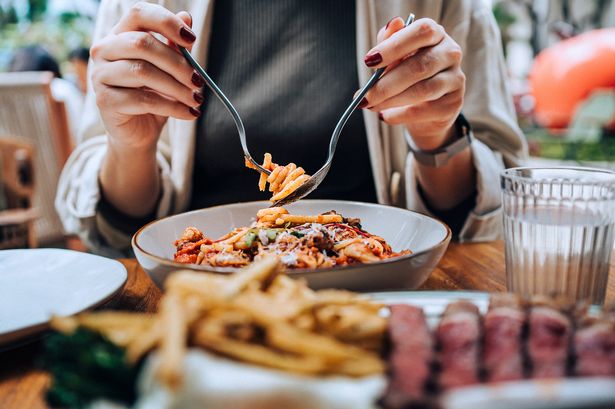
Nutritionists are calling for a major reassessment of foods that have been unfairly labelled as “unhealthy.” This shift in perspective comes as a response to the long-standing diet culture that has vilified various foods over the years. The Manchester Evening News sought insights from nutrition experts, revealing that many common dietary fears may be unfounded.
According to experts, no single food is inherently “bad.” While certain items offer more nutritional benefits than others, occasional indulgences do not pose catastrophic consequences. The enduring adage, “everything in moderation,” remains relevant.
Debunking Carb Myths
Carbohydrates, often regarded as dietary villains, are one of the most misrepresented food groups. Nichola Ludlam-Raine, a UK Specialist Registered Dietitian and author of *How Not to Eat Ultra-Processed*, asserts that many individuals are “unfairly scared of carbohydrates,” particularly staples like bread, pasta, and potatoes. Despite extensive media attention linking carbs to weight gain, she emphasizes their importance as “the body’s main source of energy,” advocating for their inclusion in a balanced diet.
Ludlam-Raine points out that it’s not about eliminating carbs but rather focusing on portion sizes and quality. She recommends choosing wholegrain varieties and pairing them with lean proteins and fibres for sustained energy. Echoing this sentiment, nutritionist Lily Soutter highlights the health benefits of wholegrains, stating that regular consumption may reduce the risk of heart disease and stroke by up to 30 percent.
Despite public anxiety surrounding carbohydrates, Aliya Porter, a Manchester-based nutritionist and author, argues that misinformation fuels this fear. She notes that refined carbs can be problematic, but suggests that a balanced diet should include approximately a quarter of the plate as carbohydrates.
Rethinking Fruits and Processed Foods
Ironically, even fruits have fallen victim to dietary fears, largely due to the rise of low-carb diets. Jo Travers, a Registered Dietitian from The London Nutritionist, explains that while fruits contain sugar, it differs significantly from added sugars found in processed foods. She assures that the natural sugars in fruits are absorbed slowly and offer numerous health benefits, including vital vitamins and minerals.
Concerns about ultra-processed foods have also led to unnecessary panic. Dr. Emma Derbyshire, a registered public health nutritionist, contextualizes the fear surrounding everyday items like baked beans and protein bars. She argues that moderate consumption of such foods does not pose significant health risks. In fact, processing can sometimes enhance nutritional value, as seen in fortified cereals that contribute essential vitamins.
Despite the ongoing debate regarding ultra-processed foods, Prof. Bernard Corfe from Newcastle University warns against the hysteria surrounding these items. He notes that much of the existing research on their health impacts lacks rigor and suggests that the focus should instead be on the fat, salt, and sugar content of foods rather than their processing.
Addressing Seed Oils and Soya Foods
The narrative surrounding seed oils has also generated concern. Rhiannon Lambert, a registered nutritionist and founder of the Rhitrition Clinic, emphasizes the need for clearer communication regarding these oils. She states that claims about their toxicity lack scientific backing, and in fact, oils like sunflower and rapeseed can be beneficial when replacing saturated fats in the diet.
Even foods like oats are facing criticism. Lambert counters claims that oats cause blood sugar spikes, explaining that they are a whole grain rich in soluble fibre, which has well-documented benefits for cholesterol and blood sugar control. Pairing oats with nut butter or seeds can further stabilize energy release.
Concerns surrounding soya foods have emerged due to their phytoestrogen content, leading to myths about hormonal cancer risks. Laura Wyness, a Registered Nutritionist, refutes these claims, citing consensus among leading global cancer organizations that soya foods are safe for women and may even provide protective effects against breast cancer.
Lastly, the trend of avoiding milk, driven by the popularity of plant-based alternatives and concerns about inflammation, has raised questions among health professionals. Dr. Sarah Schenker, a Registered Dietitian and Nutritionist, points out that for most individuals, dairy remains a valuable nutritional component. She highlights its contributions of protein, calcium, and essential vitamins, asserting that claims linking milk to acne or mucus production lack credible scientific support.
In conclusion, as dietary trends evolve, nutritionists encourage individuals to reconsider their fears surrounding certain foods. By focusing on balanced diets that include a variety of food groups, people can enjoy a healthier lifestyle without the burden of undue guilt.












Belfast Gears Up for Vibrant St Patrick’s Day Parade on March 17

Cuba Faces Nationwide Blackout Amid Deepening Energy Crisis

Wirral Council to Restructure Leadership, Cutting Two Top Roles

Rethinking Resistance Training: Key Insights from US Experts

EU Membership on the Horizon: What It Means for Citizens

Ukrainian Drone Swarms Strike Moscow Region for Second Day

Henley Launches Innovative Initiative to Boost Local Economy

Court Ruling Allows Pandemic Tax Refund Claims Until 2026

Sean Penn’s Absence at 2026 Oscars Sparks Discussion

Coronation Street’s Shocking Murder Twist Reveals Family Secrets

Andrew Pierce Confirms Departure from ITV’s Good Morning Britain

Katie Price Faces New Health Concerns After Cancer Symptoms Resurface

Gyles Brandreth Shares Grandson’s Cancer Battle and Recovery

Sue Radford Reveals Weight Loss Journey, Shedding 12–13 kg

Kate Garraway Sells £2 Million Home Amid Financial Struggles

Jordan Brook Faces Health Crisis in Hospital as Sophie Kasaei Stays Away

EastEnders’ Nicola Mitchell Faces Unexpected Pregnancy Crisis

Reddit Study Reveals Distinctions Between Lurkers and Power Users
-
 World9 months ago
Coronation Street’s Shocking Murder Twist Reveals Family Secrets
-
 Entertainment8 months ago
Andrew Pierce Confirms Departure from ITV’s Good Morning Britain
-
 Health12 months ago
Katie Price Faces New Health Concerns After Cancer Symptoms Resurface
-
 Health7 months ago
Gyles Brandreth Shares Grandson’s Cancer Battle and Recovery
-
 Health7 months ago
Sue Radford Reveals Weight Loss Journey, Shedding 12–13 kg
-
 Entertainment1 year ago
Kate Garraway Sells £2 Million Home Amid Financial Struggles
-
 Entertainment5 months ago
Jordan Brook Faces Health Crisis in Hospital as Sophie Kasaei Stays Away
-
 World10 months ago
EastEnders’ Nicola Mitchell Faces Unexpected Pregnancy Crisis
-
 Science8 months ago
Reddit Study Reveals Distinctions Between Lurkers and Power Users
-

 World9 months ago
Mother Charged After Son, 9, Killed in Tragic Incident in Italy
-

 Entertainment12 months ago
Ann Ming Reflects on ITV’s ‘I Fought the Law’ Drama
-

 World9 months ago
Bailey Announces Heartbreaking Split from Rebecca After Reunion