
Health
NHS Lowers Bowel Cancer Screening Threshold to Save Lives

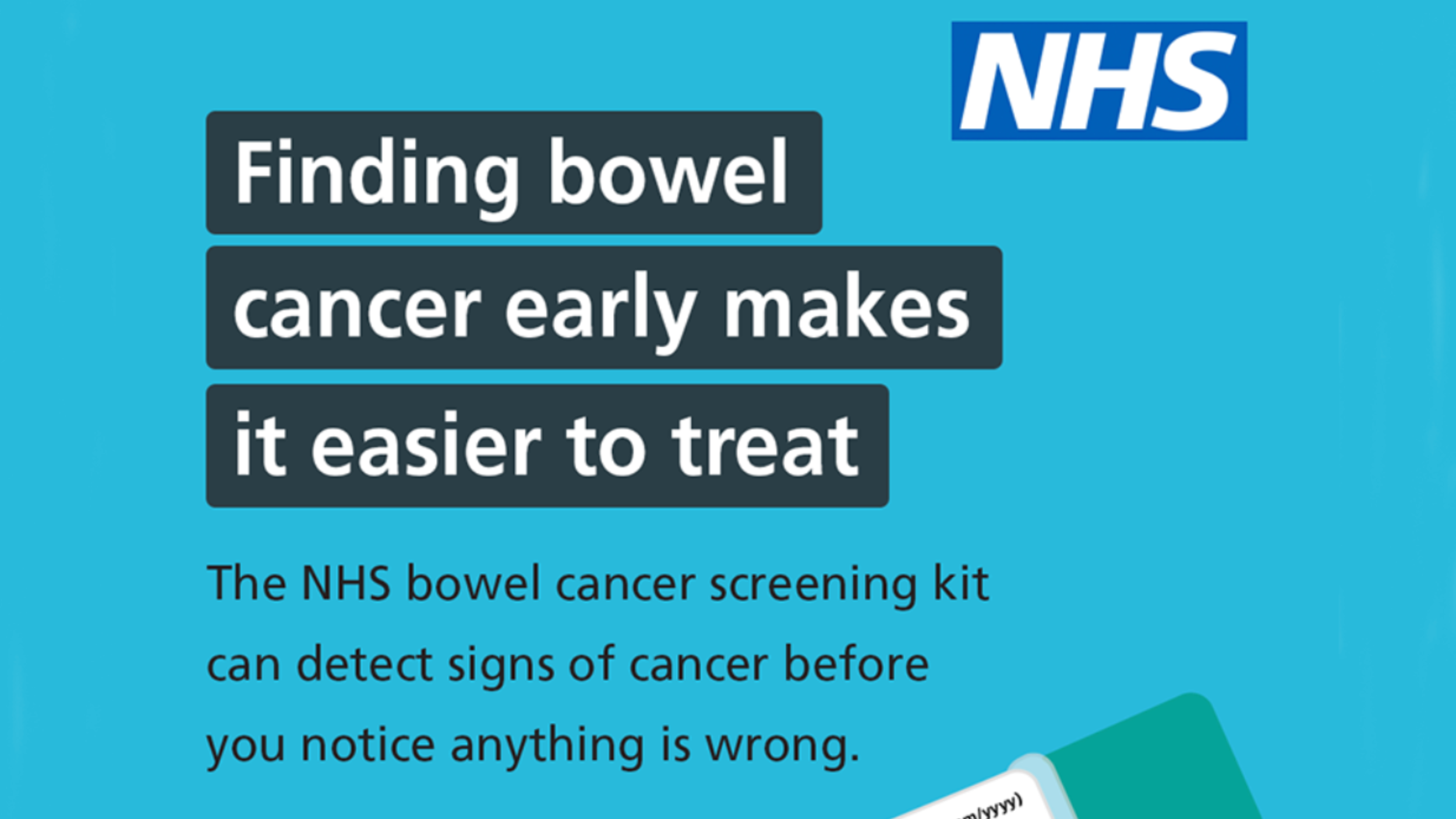
NHS England has announced a significant change to its bowel cancer screening program that is expected to save hundreds of lives annually. Starting in February 2024, the threshold for detecting blood in stool samples will be lowered from 120 micrograms to 80 micrograms per gram of faeces. This adjustment will allow for earlier detection of bowel cancer and aligns England’s practices with those already in place in Scotland and Wales.
The decision, revealed on 26 January 2024, is anticipated to result in approximately 600 additional bowel cancers being identified at an early stage each year, marking an 11 percent increase in early detection rates. In addition, an estimated 2,000 individuals with high-risk polyps will be diagnosed, enabling them to undergo preventative surgery before cancer develops.
The faecal immunochemical test, known as FIT, is sent to individuals aged 50 to 74 every two years. Participants collect a small stool sample at home and send it to a laboratory for analysis. The process itself remains unchanged; only the blood level that triggers a follow-up colonoscopy has been adjusted. Under the new protocol, the NHS will conduct 35 percent more screening colonoscopies each year, increasing from the current rate of 2 in 100 to an expected 3 in 100 individuals requiring further tests.
Peter Johnson, National Clinical Director for Cancer at NHS England, described this adjustment as a “major step forward” in cancer care. He emphasized that the lower threshold enhances the early-warning system, allowing healthcare providers to detect and treat cancers before symptoms manifest. Preliminary results from eight pilot sites in England have shown promising outcomes, with over 60 additional bowel cancers and nearly 500 high-risk polyps identified.
The national rollout of the new threshold is planned for March 2028, with projections indicating that late-stage diagnoses and fatalities from bowel cancer could decrease by approximately 6 percent. The NHS also expects to save around £32 million (approximately $40 million2035.
Bowel cancer is the third most common cancer in the UK for both men and women, as well as the fourth most prevalent overall. The NHS’s expansion of bowel cancer screening, which began in 2021, has already invited over 4 million additional individuals to participate in screenings, reflecting a commitment to enhancing public health through proactive measures.












Belfast Gears Up for Vibrant St Patrick’s Day Parade on March 17

Cuba Faces Nationwide Blackout Amid Deepening Energy Crisis

Wirral Council to Restructure Leadership, Cutting Two Top Roles

Rethinking Resistance Training: Key Insights from US Experts

EU Membership on the Horizon: What It Means for Citizens

Ukrainian Drone Swarms Strike Moscow Region for Second Day

Henley Launches Innovative Initiative to Boost Local Economy

Court Ruling Allows Pandemic Tax Refund Claims Until 2026

Sean Penn’s Absence at 2026 Oscars Sparks Discussion

Coronation Street’s Shocking Murder Twist Reveals Family Secrets

Andrew Pierce Confirms Departure from ITV’s Good Morning Britain

Katie Price Faces New Health Concerns After Cancer Symptoms Resurface

Sue Radford Reveals Weight Loss Journey, Shedding 12–13 kg

Kate Garraway Sells £2 Million Home Amid Financial Struggles

Jordan Brook Faces Health Crisis in Hospital as Sophie Kasaei Stays Away

EastEnders’ Nicola Mitchell Faces Unexpected Pregnancy Crisis

Bailey Announces Heartbreaking Split from Rebecca After Reunion

Ann Ming Reflects on ITV’s ‘I Fought the Law’ Drama
-
 World4 months ago
Coronation Street’s Shocking Murder Twist Reveals Family Secrets
-
 Entertainment4 months ago
Andrew Pierce Confirms Departure from ITV’s Good Morning Britain
-
 Health7 months ago
Katie Price Faces New Health Concerns After Cancer Symptoms Resurface
-
 Health3 months ago
Sue Radford Reveals Weight Loss Journey, Shedding 12–13 kg
-
 Entertainment8 months ago
Kate Garraway Sells £2 Million Home Amid Financial Struggles
-
 Entertainment4 weeks ago
Jordan Brook Faces Health Crisis in Hospital as Sophie Kasaei Stays Away
-
 World5 months ago
EastEnders’ Nicola Mitchell Faces Unexpected Pregnancy Crisis
-
 World5 months ago
Bailey Announces Heartbreaking Split from Rebecca After Reunion
-
 Entertainment7 months ago
Ann Ming Reflects on ITV’s ‘I Fought the Law’ Drama
-

 Entertainment2 months ago
Selena Gomez’s Name Linked to Epstein: Examining the Claims
-

 Health7 months ago
TOWIE Stars Sophie Kasaei and Jordan Brook Pursue Fertility Treatment
-

 Health8 months ago
Fiona Phillips’ Husband Shares Heartbreaking Update on Her Health