
Health
FDA Targets Telehealth Firms for Illegal GLP-1 Marketing


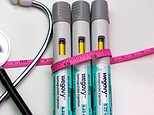
The U.S. Food and Drug Administration (FDA) has intensified its enforcement actions against telehealth companies, issuing warning letters to 30 firms for allegedly marketing compounded formulations of GLP-1 agonists illegally. This crackdown aims to address the promotion of compounded versions of in-patent drugs, a practice that has raised significant concerns regarding safety and regulatory compliance.
This latest wave of warning letters affects various companies, including prominent names like Hims & Hers, as well as smaller entities such as Strut Health, PharmaZee, Lean Rx, and GoodGirlRx, associated with influencer and TV personality Savannah Chrisley. These companies have been involved in weight-loss programs that utilize compounded versions of medications like Novo Nordisk’s semaglutide and liraglutide, as well as Eli Lilly’s tirzepatide.
The letters from the FDA outline several violations, including misleading claims that suggest the compounded drugs are FDA-evaluated or approved. Companies have been reprimanded for using phrases like “clinically proven” in their promotions and for misrepresenting themselves as the manufacturers of these medications. Such practices undermine the integrity of advertising in the pharmaceutical sector and pose risks to public health.
In September 2022, the FDA announced a concerted effort to combat misleading direct-to-consumer (DTC) advertising for pharmaceutical products. Since then, the agency has dispatched thousands of warning letters to telehealth and pharmaceutical companies, indicating a significant increase compared to the total issued over the previous decade. This push has also targeted Novo Nordisk and Eli Lilly for their own advertising practices related to their branded weight-loss medications, Wegovy and Zepbound, which have faced pressure from lower-cost compounded alternatives.
According to FDA Commissioner Marty Makary, the agency is closely monitoring claims made by telehealth and pharmaceutical companies and is taking swift action against misleading advertisements. “Compounded drugs can be important for overcoming shortages or meeting unique patient needs—but compounders should not try to compound drugs in a way that circumvents FDA’s approval process,” Makary stated.
Under U.S. regulations, compounding pharmacies are allowed to produce and sell medications—even those still under patent—if there is a shortage in the marketplace. While semaglutide, liraglutide, and tirzepatide are currently available and not listed as shortages, some companies continue to provide these drugs under exceptions for “personalized” treatments. This framework, known as Section 503A, permits compounding in small quantities for patients whose needs are not met by standard formulations.
The recent actions by the FDA highlight a growing concern over the safety and efficacy of compounded medications, particularly in the context of weight-loss treatments. As the market for GLP-1 agonists expands, the scrutiny on telehealth companies and their marketing practices is expected to increase, aiming to ensure that patients receive safe and effective therapies.











Belfast Gears Up for Vibrant St Patrick’s Day Parade on March 17

Cuba Faces Nationwide Blackout Amid Deepening Energy Crisis

Wirral Council to Restructure Leadership, Cutting Two Top Roles

Rethinking Resistance Training: Key Insights from US Experts

EU Membership on the Horizon: What It Means for Citizens

Ukrainian Drone Swarms Strike Moscow Region for Second Day

Henley Launches Innovative Initiative to Boost Local Economy

Court Ruling Allows Pandemic Tax Refund Claims Until 2026

Sean Penn’s Absence at 2026 Oscars Sparks Discussion

Coronation Street’s Shocking Murder Twist Reveals Family Secrets

Andrew Pierce Confirms Departure from ITV’s Good Morning Britain

Katie Price Faces New Health Concerns After Cancer Symptoms Resurface

Gyles Brandreth Shares Grandson’s Cancer Battle and Recovery

Sue Radford Reveals Weight Loss Journey, Shedding 12–13 kg

Kate Garraway Sells £2 Million Home Amid Financial Struggles

Jordan Brook Faces Health Crisis in Hospital as Sophie Kasaei Stays Away

EastEnders’ Nicola Mitchell Faces Unexpected Pregnancy Crisis

Reddit Study Reveals Distinctions Between Lurkers and Power Users
-
 World8 months ago
Coronation Street’s Shocking Murder Twist Reveals Family Secrets
-
 Entertainment8 months ago
Andrew Pierce Confirms Departure from ITV’s Good Morning Britain
-
 Health11 months ago
Katie Price Faces New Health Concerns After Cancer Symptoms Resurface
-
 Health6 months ago
Gyles Brandreth Shares Grandson’s Cancer Battle and Recovery
-
 Health6 months ago
Sue Radford Reveals Weight Loss Journey, Shedding 12–13 kg
-
 Entertainment12 months ago
Kate Garraway Sells £2 Million Home Amid Financial Struggles
-
 Entertainment5 months ago
Jordan Brook Faces Health Crisis in Hospital as Sophie Kasaei Stays Away
-
 World9 months ago
EastEnders’ Nicola Mitchell Faces Unexpected Pregnancy Crisis
-
 Science8 months ago
Reddit Study Reveals Distinctions Between Lurkers and Power Users
-

 World8 months ago
Mother Charged After Son, 9, Killed in Tragic Incident in Italy
-

 Entertainment11 months ago
Ann Ming Reflects on ITV’s ‘I Fought the Law’ Drama
-

 World8 months ago
Bailey Announces Heartbreaking Split from Rebecca After Reunion