
Health
Deadly Drug-Resistant Fungus Threatens Hospital Safety Worldwide

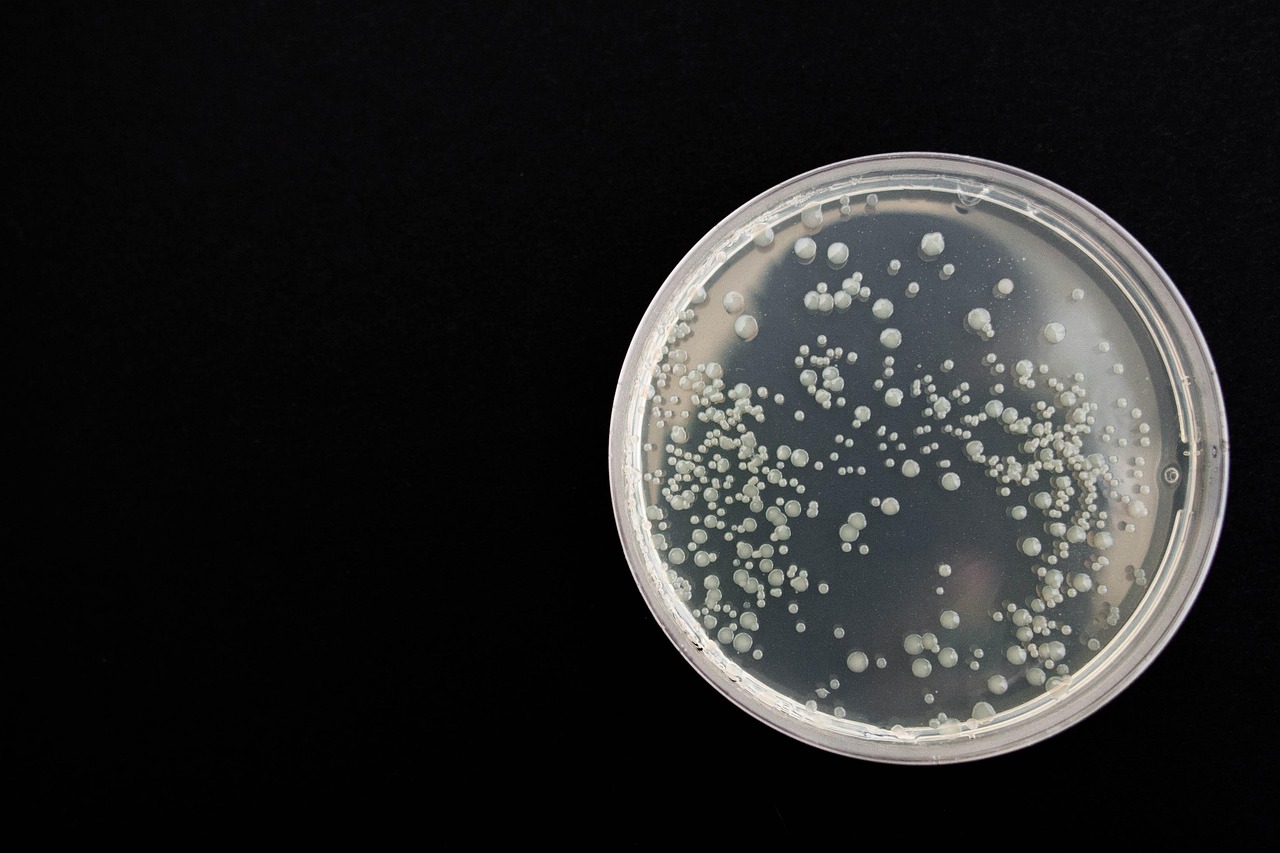
A drug-resistant fungus known as Candida auris is quietly spreading through hospitals and healthcare facilities, raising serious concerns among public health officials. This pathogen poses significant challenges due to its ability to spread without obvious symptoms, making outbreaks difficult to detect and control. C. auris has been linked to a rising number of healthcare-associated infections and is increasingly recognized as one of the most critical emerging fungal threats globally.
The unique nature of C. auris allows it to exist on the skin of carriers without causing illness. This asymptomatic transmission enables the fungus to move undetected through wards and long-term care facilities, where patients with weakened immune systems are most vulnerable. Health authorities emphasize that the combination of silent spread, resistance to multiple antifungal treatments, and persistence on surfaces poses an escalating challenge for healthcare environments.
First identified in Japan in 2009, Candida auris has since been discovered in numerous countries, including the United States, where cases began to be reported in 2016. Public health data indicate thousands of confirmed infections across various states, with particularly high incidences in the western and southern regions. The Centers for Disease Control and Prevention has classified C. auris as an urgent antimicrobial-resistance threat due to its ability to survive on skin and hospital surfaces for extended periods while exhibiting resistance to commonly used antifungal medications.
Clinicians are particularly concerned about the transmission of C. auris through asymptomatic carriers. These individuals can unknowingly introduce the fungus into healthcare settings, potentially infecting patients undergoing treatment for other serious conditions. Vulnerable populations, including those using invasive medical devices, are at heightened risk. The resilience of C. auris against certain disinfectants allows outbreaks to persist even with standard cleaning protocols.
Invasive infections caused by C. auris can affect the bloodstream and internal organs, leading to high mortality rates among hospitalised patients, especially those who are critically ill. While the general public remains at low risk, the increasing number of outbreaks has prompted international health authorities, including the World Health Organization, to warn about the growing problem of antifungal resistance.
In the United Kingdom, the UK Health Security Agency has provided guidance to healthcare providers on identifying and managing cases of C. auris. Hospitals across the globe have responded by enhancing screening protocols for high-risk patients, improving laboratory capabilities, and reinforcing infection prevention measures. Research communities are advocating for greater investment in new diagnostics and antifungal treatments, as well as comprehensive monitoring systems to track the spread of this resilient fungus.
While Candida auris does not represent a widespread threat to the general public, its capacity to spread unnoticed within healthcare settings makes it a significant concern for modern medicine. Public health officials stress that ongoing vigilance, improved detection methods, and international cooperation will be essential to prevent further outbreaks and safeguard the most vulnerable patients.










Belfast Gears Up for Vibrant St Patrick’s Day Parade on March 17

Cuba Faces Nationwide Blackout Amid Deepening Energy Crisis

Wirral Council to Restructure Leadership, Cutting Two Top Roles

Rethinking Resistance Training: Key Insights from US Experts

EU Membership on the Horizon: What It Means for Citizens

Ukrainian Drone Swarms Strike Moscow Region for Second Day

Henley Launches Innovative Initiative to Boost Local Economy

Court Ruling Allows Pandemic Tax Refund Claims Until 2026

Sean Penn’s Absence at 2026 Oscars Sparks Discussion

Coronation Street’s Shocking Murder Twist Reveals Family Secrets

Andrew Pierce Confirms Departure from ITV’s Good Morning Britain

Katie Price Faces New Health Concerns After Cancer Symptoms Resurface

Sue Radford Reveals Weight Loss Journey, Shedding 12–13 kg

Kate Garraway Sells £2 Million Home Amid Financial Struggles

Jordan Brook Faces Health Crisis in Hospital as Sophie Kasaei Stays Away

EastEnders’ Nicola Mitchell Faces Unexpected Pregnancy Crisis

Bailey Announces Heartbreaking Split from Rebecca After Reunion

Ann Ming Reflects on ITV’s ‘I Fought the Law’ Drama
-
 World4 months ago
Coronation Street’s Shocking Murder Twist Reveals Family Secrets
-
 Entertainment4 months ago
Andrew Pierce Confirms Departure from ITV’s Good Morning Britain
-
 Health7 months ago
Katie Price Faces New Health Concerns After Cancer Symptoms Resurface
-
 Health2 months ago
Sue Radford Reveals Weight Loss Journey, Shedding 12–13 kg
-
 Entertainment8 months ago
Kate Garraway Sells £2 Million Home Amid Financial Struggles
-
 Entertainment3 weeks ago
Jordan Brook Faces Health Crisis in Hospital as Sophie Kasaei Stays Away
-
 World5 months ago
EastEnders’ Nicola Mitchell Faces Unexpected Pregnancy Crisis
-
 World5 months ago
Bailey Announces Heartbreaking Split from Rebecca After Reunion
-
 Entertainment7 months ago
Ann Ming Reflects on ITV’s ‘I Fought the Law’ Drama
-

 Entertainment2 months ago
Selena Gomez’s Name Linked to Epstein: Examining the Claims
-

 Health7 months ago
TOWIE Stars Sophie Kasaei and Jordan Brook Pursue Fertility Treatment
-

 Health7 months ago
Fiona Phillips’ Husband Shares Heartbreaking Update on Her Health