
Entertainment
Živko Nikolić: Unveiling the Shadows of Montenegro’s Past

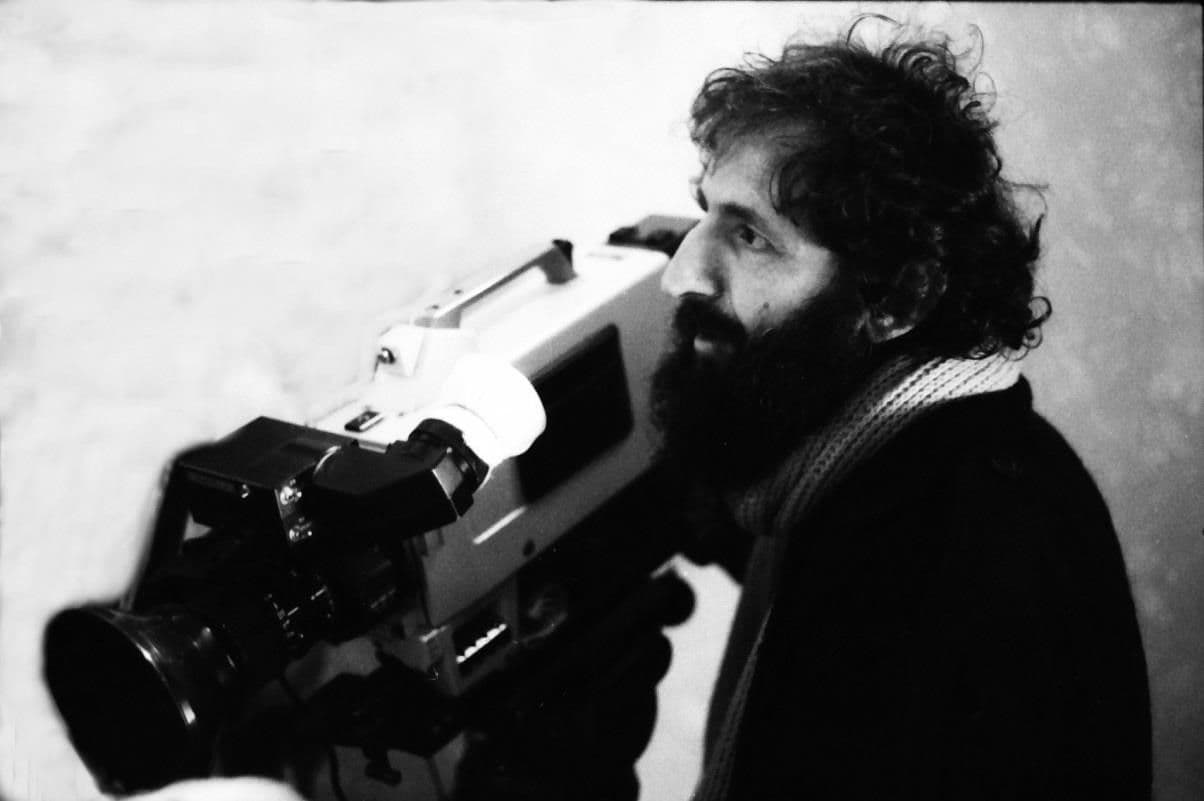
The legacy of filmmaker Živko Nikolić continues to provoke discussion and reflection in Montenegro. His works, particularly his films “U ime naroda” and “Iskušavanje đavola,” delve into the complex and often painful history of a nation grappling with its identity. Recently, Božena Jelušić, co-author of the book “Iskušavanje filma,” provided critical insights into Nikolić’s contributions to cinema and the cultural landscape of Montenegro.
Jelušić describes Nikolić as an artist capable of capturing the essence of life through innovative storytelling and striking visual symbolism. He focused on Montenegro, a nation whose slower social development allowed an exploration of deep-rooted archetypes. This distinctive approach enabled Nikolić to weave a tapestry of narrative that resonates with both local and international audiences. His journey began with short films, evolving into feature films and series that have left a significant mark on the cinematic world.
The film “Beštije,” often regarded as a cornerstone of his oeuvre, encapsulates the broader themes of his work. It reveals the beasts within society, as seen through the lens of how Montenegrins respond to the complexities of their own narratives. Today, even decades after its release, the cultural impact of “Beštije” is evident, with discussions surrounding its influence reaching academic circles, including institutions in the United States.
The emotional weight of Nikolić’s storytelling is palpable, particularly in how it reflects on national trauma. Jelušić points out that many in Montenegro still harbor resentment toward Nikolić for his unflinching portrayal of the past, notably in the film “Đeknu,” which remains a topic of contention. Phrases like “dosta nam je đeknovanja” are used to express frustration over the film’s legacy, yet it stands as a testament to authentic artistic expression that has shaped the work of many contemporary Montenegrin directors.
The narrative around Nikolić is not solely about artistic merit; it also highlights the political landscape that frames his films. His work often challenges the status quo, bringing to light uncomfortable truths about totalitarianism and its lingering effects. For instance, “U ime naroda” confronts the repressed political realities of a totalitarian regime, unveiling the intricate dynamics that have shaped the lives of ordinary citizens.
In this film, Nikolić reveals the hidden truths of a past that many would prefer to forget. Jelušić emphasizes that the film serves as a mirror reflecting the dark undercurrents of Montenegrin society, making the viewer confront the realities of oppression and complicity. The narrative serves as a reminder of the struggles endured and the resilience required to navigate such a tumultuous history.
As the conversation around Nikolić’s legacy continues, it is clear that his films serve as a critical commentary on the human condition. His ability to depict the cyclical nature of violence and trauma resonates deeply, prompting audiences to reflect on their own histories. The film “Iskušavanje đavola,” viewed through the lens of contemporary events, takes on a prophetic quality, shedding light on the societal fractures that emerged during the 1990s and beyond.
Jelušić argues that Nikolić’s insights into the darker aspects of human nature are as relevant today as they were during the tumult of the past. The “devils” he portrayed are no longer confined to a singular narrative but have multiplied, manifesting in various forms that threaten to destabilize society from within. The ongoing relevance of his work highlights the need for a collective reckoning with the past, as well as a commitment to fostering a more transparent future.
In conclusion, Živko Nikolić remains a pivotal figure in Montenegrin cinema, and his films continue to resonate on multiple levels. As audiences engage with his work, they are invited to confront their own narratives, to acknowledge the complexities of their history, and to consider the implications of silence in the face of injustice. The ongoing exploration of his films serves not only as a historical account but also as a vital aspect of Montenegro’s cultural identity, shaping the discourse around its future.











Belfast Gears Up for Vibrant St Patrick’s Day Parade on March 17

Cuba Faces Nationwide Blackout Amid Deepening Energy Crisis

Wirral Council to Restructure Leadership, Cutting Two Top Roles

Rethinking Resistance Training: Key Insights from US Experts

EU Membership on the Horizon: What It Means for Citizens

Ukrainian Drone Swarms Strike Moscow Region for Second Day

Henley Launches Innovative Initiative to Boost Local Economy

Court Ruling Allows Pandemic Tax Refund Claims Until 2026

Sean Penn’s Absence at 2026 Oscars Sparks Discussion

Coronation Street’s Shocking Murder Twist Reveals Family Secrets

Andrew Pierce Confirms Departure from ITV’s Good Morning Britain

Katie Price Faces New Health Concerns After Cancer Symptoms Resurface

Sue Radford Reveals Weight Loss Journey, Shedding 12–13 kg

Kate Garraway Sells £2 Million Home Amid Financial Struggles

Jordan Brook Faces Health Crisis in Hospital as Sophie Kasaei Stays Away

EastEnders’ Nicola Mitchell Faces Unexpected Pregnancy Crisis

Bailey Announces Heartbreaking Split from Rebecca After Reunion

Ann Ming Reflects on ITV’s ‘I Fought the Law’ Drama
-
 World4 months ago
Coronation Street’s Shocking Murder Twist Reveals Family Secrets
-
 Entertainment4 months ago
Andrew Pierce Confirms Departure from ITV’s Good Morning Britain
-
 Health7 months ago
Katie Price Faces New Health Concerns After Cancer Symptoms Resurface
-
 Health3 months ago
Sue Radford Reveals Weight Loss Journey, Shedding 12–13 kg
-
 Entertainment9 months ago
Kate Garraway Sells £2 Million Home Amid Financial Struggles
-
 Entertainment1 month ago
Jordan Brook Faces Health Crisis in Hospital as Sophie Kasaei Stays Away
-
 World5 months ago
EastEnders’ Nicola Mitchell Faces Unexpected Pregnancy Crisis
-
 World5 months ago
Bailey Announces Heartbreaking Split from Rebecca After Reunion
-
 Entertainment8 months ago
Ann Ming Reflects on ITV’s ‘I Fought the Law’ Drama
-

 Entertainment2 months ago
Selena Gomez’s Name Linked to Epstein: Examining the Claims
-

 Health8 months ago
TOWIE Stars Sophie Kasaei and Jordan Brook Pursue Fertility Treatment
-

 Health8 months ago
Fiona Phillips’ Husband Shares Heartbreaking Update on Her Health