
Business
Lebanon’s Draft ‘Gap Law’ Aims to Return Depositors’ Funds

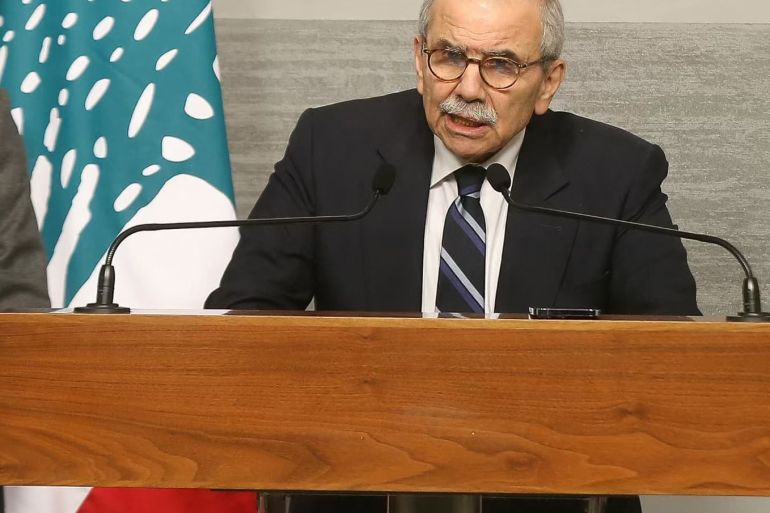
Lebanon’s cabinet has approved a draft law aimed at addressing the financial crisis that has plagued the country for six years. Known as the “gap law,” this legislation seeks to reimburse depositors who lost access to their funds during a banking crisis that began in 2019, when the Lebanese Lira plummeted in value. As banks closed their doors, many depositors were left unable to withdraw their savings, leading to desperate measures, including individuals holding up bank branches to reclaim their money. The Lira has since lost roughly 98 percent of its value.
Under this new draft law, which awaits approval from Prime Minister Nawaf Salam and the President before being presented to parliament, depositors with accounts of up to $100,000 are expected to receive reimbursement within four years. This proposal marks a shift from earlier plans that suggested repayments could take over a decade. Observers have noted that previous proposals, particularly one from the government of former Prime Minister Hassan Diab, included provisions for depositors to recover as much as $500,000.
Potential Benefits and Drawbacks of the Gap Law
While the draft law offers some hope for depositors, it is not without its criticisms. The reimbursement cap of $100,000 applies per depositor rather than per account. Consequently, individuals with multiple accounts exceeding this amount will only receive $100,000 in cash, with the remainder compensated through bonds backed by the Central Bank of Lebanon (BDL). Critics argue that this arrangement disproportionately favors banks and their executives, who have been accused of mismanaging funds throughout the crisis.
Fouad Debs, a lawyer and member of the Depositors Union, expressed concerns over the draft law’s implications. He stated, “There are a lot of discrepancies between what they say and what the state is saying.” Debs emphasized the need for a complete financial audit of banks, stating that a forensic audit would shed light on the banks’ operations, including dividends and executive bonuses paid during the crisis.
Financial Implications and State Responsibility
The financial burden of the crisis has largely fallen on the state, which is tasked with covering the “gap” between what banks owe depositors and what the financial system can afford. Current estimates suggest this gap amounts to approximately $70 billion. Bankers contend that the state should shoulder this responsibility, arguing that they had entrusted their funds to BDL, which subsequently lost the money. Critics counter that banks unilaterally decided to deposit clients’ money with BDL, benefiting from the arrangement without consulting depositors.
Funding for the state’s obligations will primarily come from public funds. After reimbursing depositors, any additional payments will be made in bonds backed by state assets, including Lebanon’s gold reserves. This approach has raised alarm among critics who point out that many of Lebanon’s bonds were sold to vulture funds abroad, potentially jeopardizing public assets in the process.
The International Monetary Fund (IMF) has weighed in on the situation, aligning with civil society in calling for a fairer approach to resolving the financial crisis. Debs noted that the IMF has questioned how depositors can be expected to bear the brunt of the financial fallout while bankers escape accountability.
As discussions around the gap law continue, it remains to be seen how the final version will address the deep-rooted issues within Lebanon’s banking system and whether it will provide meaningful relief to depositors who have suffered greatly during this prolonged crisis.










Belfast Gears Up for Vibrant St Patrick’s Day Parade on March 17

Cuba Faces Nationwide Blackout Amid Deepening Energy Crisis

Wirral Council to Restructure Leadership, Cutting Two Top Roles

Rethinking Resistance Training: Key Insights from US Experts

EU Membership on the Horizon: What It Means for Citizens

Ukrainian Drone Swarms Strike Moscow Region for Second Day

Henley Launches Innovative Initiative to Boost Local Economy

Court Ruling Allows Pandemic Tax Refund Claims Until 2026

Sean Penn’s Absence at 2026 Oscars Sparks Discussion

Coronation Street’s Shocking Murder Twist Reveals Family Secrets

Andrew Pierce Confirms Departure from ITV’s Good Morning Britain

Katie Price Faces New Health Concerns After Cancer Symptoms Resurface

Sue Radford Reveals Weight Loss Journey, Shedding 12–13 kg

Kate Garraway Sells £2 Million Home Amid Financial Struggles

Jordan Brook Faces Health Crisis in Hospital as Sophie Kasaei Stays Away

EastEnders’ Nicola Mitchell Faces Unexpected Pregnancy Crisis

Bailey Announces Heartbreaking Split from Rebecca After Reunion

Ann Ming Reflects on ITV’s ‘I Fought the Law’ Drama
-
 World4 months ago
Coronation Street’s Shocking Murder Twist Reveals Family Secrets
-
 Entertainment4 months ago
Andrew Pierce Confirms Departure from ITV’s Good Morning Britain
-
 Health7 months ago
Katie Price Faces New Health Concerns After Cancer Symptoms Resurface
-
 Health2 months ago
Sue Radford Reveals Weight Loss Journey, Shedding 12–13 kg
-
 Entertainment8 months ago
Kate Garraway Sells £2 Million Home Amid Financial Struggles
-
 Entertainment3 weeks ago
Jordan Brook Faces Health Crisis in Hospital as Sophie Kasaei Stays Away
-
 World5 months ago
EastEnders’ Nicola Mitchell Faces Unexpected Pregnancy Crisis
-
 World5 months ago
Bailey Announces Heartbreaking Split from Rebecca After Reunion
-
 Entertainment7 months ago
Ann Ming Reflects on ITV’s ‘I Fought the Law’ Drama
-

 Entertainment2 months ago
Selena Gomez’s Name Linked to Epstein: Examining the Claims
-

 Health7 months ago
TOWIE Stars Sophie Kasaei and Jordan Brook Pursue Fertility Treatment
-

 Health7 months ago
Fiona Phillips’ Husband Shares Heartbreaking Update on Her Health