
Business
HMRC Resumes Direct Tax Recovery from Debtors’ Bank Accounts

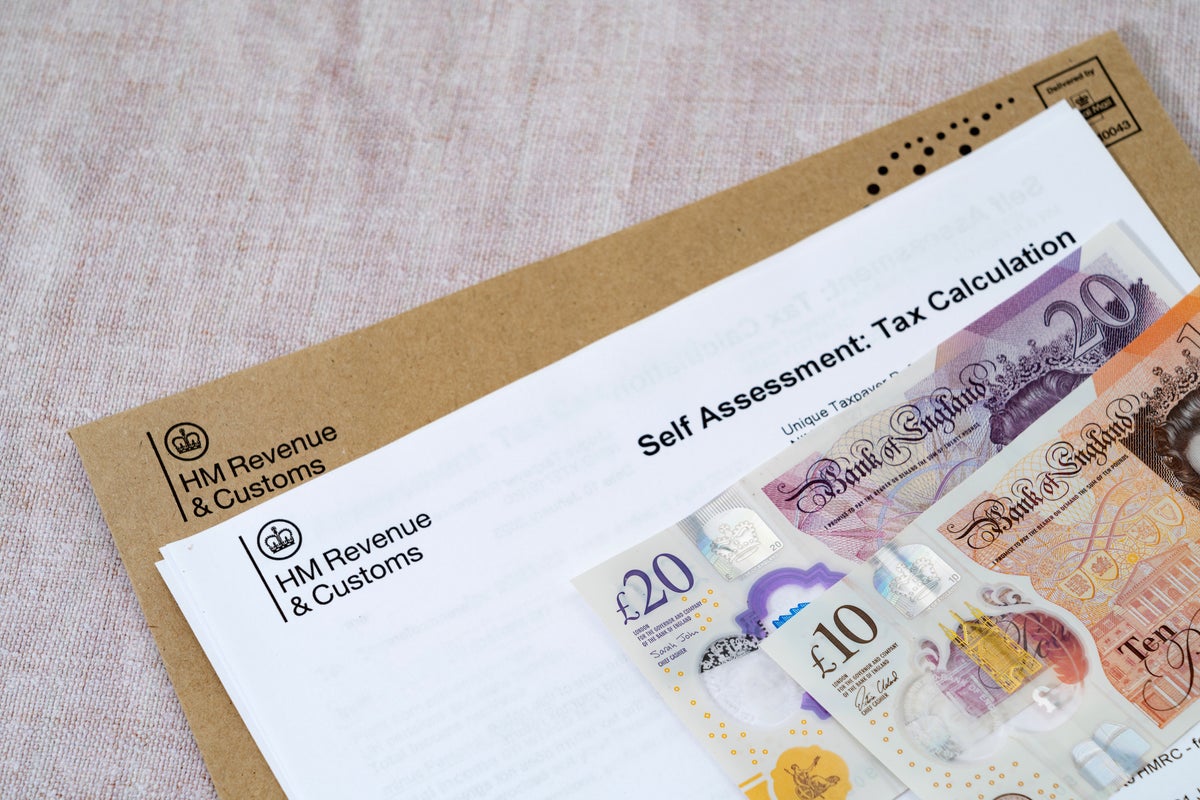
The UK’s tax authority, HMRC, has restarted its Direct Recovery of Debts (DRD) program, allowing the agency to recover owed taxes directly from the bank accounts of debtors. This initiative, which had been paused during the pandemic, entered a “test and learn” phase as of March 2024. The program primarily targets individuals and businesses that are financially capable of settling their debts but have opted not to do so.
The government indicated in its spring statement that the DRD would be reactivated for cases involving debts of £1,000 or more. Under this policy, HMRC can instruct banks and building societies to transfer owed funds directly from a debtor’s accounts, including cash ISAs. It has implemented several safeguards to protect vulnerable customers and prevent undue hardship.
HMRC clarified that it will only take action against individuals or businesses with established debts who have ignored HMRC’s outreach attempts. Debtors will not face recovery actions if they have disputes regarding the amount owed, as they have an automatic right to appeal. Additionally, the agency ensures that a minimum balance of £5,000 remains in the accounts of debtors, allowing them to cover essential expenses such as wages, mortgages, and other critical financial obligations.
In a statement on its official website, HMRC noted, “The vast majority of taxpayers pay their taxes in full and on time, but a minority choose not to pay, even though they have the means to do so.”
Dawn Register, a tax dispute resolution partner at BDO, remarked on HMRC’s renewed approach, stating, “Given the pressure on public finances, it’s clear that HMRC is determined to get tougher on those who can pay but don’t pay.” She emphasized the importance of exploring “time to pay” options for those facing financial difficulties, allowing them to settle their debts in installments.
As the UK government grapples with fiscal challenges, the reintroduction of the DRD program marks a significant step toward enforcing tax compliance among those who are able to pay. HMRC aims to balance its enforcement efforts with support for individuals and businesses genuinely struggling financially, ensuring a fair approach to tax collection.
With the DRD program now in effect, HMRC’s commitment to recovering owed taxes will likely intensify, potentially impacting many who have previously evaded their tax responsibilities.












Belfast Gears Up for Vibrant St Patrick’s Day Parade on March 17

Cuba Faces Nationwide Blackout Amid Deepening Energy Crisis

Wirral Council to Restructure Leadership, Cutting Two Top Roles

Rethinking Resistance Training: Key Insights from US Experts

EU Membership on the Horizon: What It Means for Citizens

Ukrainian Drone Swarms Strike Moscow Region for Second Day

Henley Launches Innovative Initiative to Boost Local Economy

Court Ruling Allows Pandemic Tax Refund Claims Until 2026

Sean Penn’s Absence at 2026 Oscars Sparks Discussion

Coronation Street’s Shocking Murder Twist Reveals Family Secrets

Andrew Pierce Confirms Departure from ITV’s Good Morning Britain

Katie Price Faces New Health Concerns After Cancer Symptoms Resurface

Gyles Brandreth Shares Grandson’s Cancer Battle and Recovery

Sue Radford Reveals Weight Loss Journey, Shedding 12–13 kg

Kate Garraway Sells £2 Million Home Amid Financial Struggles

Jordan Brook Faces Health Crisis in Hospital as Sophie Kasaei Stays Away

EastEnders’ Nicola Mitchell Faces Unexpected Pregnancy Crisis

Reddit Study Reveals Distinctions Between Lurkers and Power Users
-
 World8 months ago
Coronation Street’s Shocking Murder Twist Reveals Family Secrets
-
 Entertainment8 months ago
Andrew Pierce Confirms Departure from ITV’s Good Morning Britain
-
 Health11 months ago
Katie Price Faces New Health Concerns After Cancer Symptoms Resurface
-
 Health6 months ago
Gyles Brandreth Shares Grandson’s Cancer Battle and Recovery
-
 Health6 months ago
Sue Radford Reveals Weight Loss Journey, Shedding 12–13 kg
-
 Entertainment12 months ago
Kate Garraway Sells £2 Million Home Amid Financial Struggles
-
 Entertainment5 months ago
Jordan Brook Faces Health Crisis in Hospital as Sophie Kasaei Stays Away
-
 World9 months ago
EastEnders’ Nicola Mitchell Faces Unexpected Pregnancy Crisis
-
 Science8 months ago
Reddit Study Reveals Distinctions Between Lurkers and Power Users
-

 World9 months ago
Mother Charged After Son, 9, Killed in Tragic Incident in Italy
-

 Entertainment11 months ago
Ann Ming Reflects on ITV’s ‘I Fought the Law’ Drama
-

 World9 months ago
Bailey Announces Heartbreaking Split from Rebecca After Reunion