
World
Moscow Emerges as Europe’s Largest Mega-City with 12.7 Million Residents

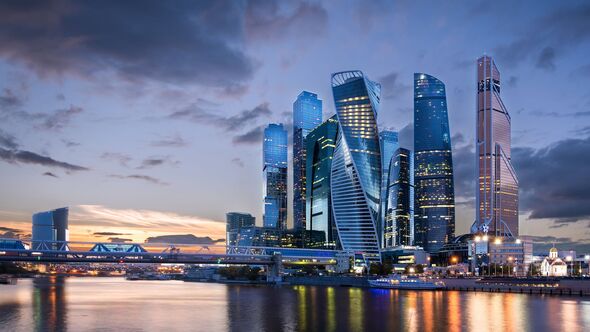
Moscow has officially been recognized as the largest mega-city in Europe, surpassing the combined populations of Barcelona, Rome, and Athens. As of 2025, the Russian capital boasts a population exceeding 12.7 million, according to the World Population Review. This significant figure reaffirms Moscow’s status as a central hub for political, business, and cultural activities within Europe.
Geographically, some may mistakenly associate Moscow with Asia due to its vast expanse. However, the city is firmly positioned on the European side of the Ural Mountains, which serve as the natural divide between the two continents. This distinction places Moscow well within Europe’s boundaries, contributing to its prominence as a mega-city.
Rapid Growth and Urban Expansion
Over the past few decades, Moscow has experienced rapid growth, driven by an influx of individuals seeking better job opportunities and services. The city serves as a magnet for people from across Russia and former Soviet states. In 2012, a significant expansion of the city’s boundaries allowed it to incorporate surrounding towns, effectively doubling its size. The broader Moscow region is now estimated to house over 20 million residents.
Moscow is renowned for its extensive metro system, which ranks among the busiest in the world. Millions rely on this transportation network daily, with many stations featuring opulent designs reminiscent of palatial architecture, adorned with chandeliers, marble, and intricate mosaics. The city is also home to iconic landmarks such as Red Square, the Kremlin, and St Basil’s Cathedral, alongside modern skyscrapers in the Moscow City district.
Life in Moscow Amid Challenges
Everyday life in Moscow is characterized by a bustling atmosphere, with numerous street markets, cafes, public events, and green spaces enhancing the urban experience. Despite its vibrant culture, the ongoing conflict in Ukraine has cast a shadow over the capital. In the past year, residents have faced challenges such as drone attacks, flight disruptions, and heightened security measures. These incidents have led to temporary closures of some airports and evacuation alerts in various buildings.
As a result of these developments, the UK Foreign Office has issued strong advisories against all travel to Moscow and other parts of Russia, following the country’s military actions in Ukraine. This advisory reflects the current geopolitical climate and its impact on daily life in the city.
Moscow’s evolution into Europe’s largest mega-city highlights its significance on the continent, while also serving as a reminder of the complexities that accompany such prominence. As the city continues to grow and adapt, its future remains intertwined with both its rich history and the ongoing challenges it faces.









Belfast Gears Up for Vibrant St Patrick’s Day Parade on March 17

Cuba Faces Nationwide Blackout Amid Deepening Energy Crisis

Wirral Council to Restructure Leadership, Cutting Two Top Roles

Rethinking Resistance Training: Key Insights from US Experts

EU Membership on the Horizon: What It Means for Citizens

Ukrainian Drone Swarms Strike Moscow Region for Second Day

Henley Launches Innovative Initiative to Boost Local Economy

Court Ruling Allows Pandemic Tax Refund Claims Until 2026

Sean Penn’s Absence at 2026 Oscars Sparks Discussion

Coronation Street’s Shocking Murder Twist Reveals Family Secrets

Andrew Pierce Confirms Departure from ITV’s Good Morning Britain

Katie Price Faces New Health Concerns After Cancer Symptoms Resurface

Gyles Brandreth Shares Grandson’s Cancer Battle and Recovery

Sue Radford Reveals Weight Loss Journey, Shedding 12–13 kg

Kate Garraway Sells £2 Million Home Amid Financial Struggles

Jordan Brook Faces Health Crisis in Hospital as Sophie Kasaei Stays Away

EastEnders’ Nicola Mitchell Faces Unexpected Pregnancy Crisis

Mother Charged After Son, 9, Killed in Tragic Incident in Italy
-
 World7 months ago
Coronation Street’s Shocking Murder Twist Reveals Family Secrets
-
 Entertainment7 months ago
Andrew Pierce Confirms Departure from ITV’s Good Morning Britain
-
 Health10 months ago
Katie Price Faces New Health Concerns After Cancer Symptoms Resurface
-
 Health5 months ago
Gyles Brandreth Shares Grandson’s Cancer Battle and Recovery
-
 Health6 months ago
Sue Radford Reveals Weight Loss Journey, Shedding 12–13 kg
-
 Entertainment11 months ago
Kate Garraway Sells £2 Million Home Amid Financial Struggles
-
 Entertainment4 months ago
Jordan Brook Faces Health Crisis in Hospital as Sophie Kasaei Stays Away
-
 World8 months ago
EastEnders’ Nicola Mitchell Faces Unexpected Pregnancy Crisis
-
 World8 months ago
Mother Charged After Son, 9, Killed in Tragic Incident in Italy
-

 Entertainment10 months ago
Ann Ming Reflects on ITV’s ‘I Fought the Law’ Drama
-

 World8 months ago
Bailey Announces Heartbreaking Split from Rebecca After Reunion
-

 Entertainment5 months ago
Selena Gomez’s Name Linked to Epstein: Examining the Claims