
Top Stories
King Charles III Advocates Universal Harmony in New Documentary

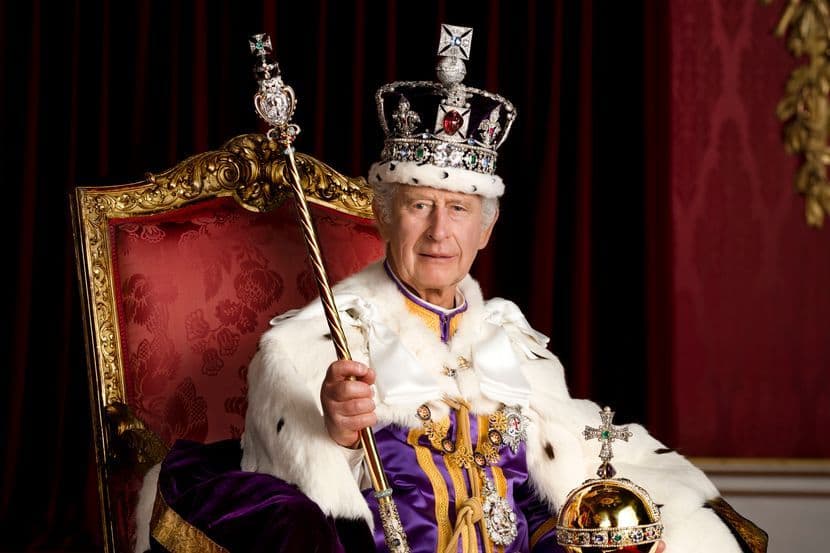
King Charles III has introduced a bold vision for a harmonized existence among all beings, nature, and the cosmos. This vision is presented in the newly released documentary, “Finding Harmony: A King’s Vision,” narrated by acclaimed actress Kate Winslet, which premiered in February 2026 under the auspices of Amazon Studios. The documentary explores the King’s belief that humanity must work towards restoring a fundamental harmony dictated by a higher power, which he identifies as the Christian Demiurge.
In his narrative, King Charles emphasizes that achieving this universal harmony is not merely an ecological imperative but a quest for a cohesive cosmological society. He challenges viewers to transcend ecological concerns to seek a more profound alignment of civilization with what he perceives as divine purpose in the established universe. Winslet highlights that Charles aims to overcome the “disconnectedness” that currently plagues society. She notes that the King’s metaphor of a symphony illustrates the potential for different elements of existence to coexist in harmony.
The documentary delves into various themes, including the interconnectedness of life and the “natural mathematics” of the universe, which Charles relates to natural phenomena, from the spiral formations of galaxies to the flow of rivers. He suggests that the cooperative behavior of bees could serve as a model for fostering collective responsibility, even among prisoners, to strengthen their ties to society upon release.
Reimagining Social Order
King Charles’s vision does not shy away from addressing the complexities of social order within the framework of divine harmony. He argues that understanding God’s order within both human and cosmic nature is essential for meaningful progress. In his view, historical philosophical figures like Marsilio Ficino advocated for a humanistic approach that allows humanity to explore the world independently without divine interference.
While discussing the essence of harmony, the King asserts that it is a social consensus about life goals achieved through aligned means. He emphasizes that achieving harmony necessitates constant adaptation and evolution, rather than clinging to outdated ideologies. This perspective echoes the idea that harmony is a dynamic process, constantly in flux as society evolves.
In 2010, Charles first articulated his thoughts on harmony in a book co-authored with two others. Now, in his solo endeavor, he aligns himself with historical figures like Jean Bodin, who believed that a ruler’s duty is to unify diverse elements rather than simply replacing the old with the new. Charles promotes a notion of harmony that embraces existing forms of life while seeking to align them toward a common purpose.
Practical Applications of Harmony
Charles’s practical initiatives have included efforts to preserve biodiversity and advocate for sustainable practices. His projects, such as the restoration of historical architecture in Afghanistan and efforts to maintain the Amazon rainforest, reflect a commitment to ecological harmony. He has been vocal against the use of pesticides which threaten biodiversity but has faced criticism for not providing clear solutions for sustainable food production.
The King’s enthusiasm for creating a model community is exemplified by his involvement in the construction of Paundbury, a new town designed to embody principles of happiness and sustainability. Established in 1993, Paundbury aimed to provide a self-sufficient community with accessible amenities, although it now faces the challenges of increased automobile traffic. Despite these challenges, the town has succeeded in eliminating carbon emissions typically associated with more traditional urban areas.
Critics have pointed out the lack of greenery in Paundbury and its somewhat artificial appearance. Nevertheless, the town serves as a testament to Charles’s vision of a harmonious society. The Royal School of Traditional Arts within Paundbury aims to blend various artistic disciplines, promoting a sense of unity through creativity.
While the King’s aspirations for harmony resonate with many, some question the feasibility of his idealistic views in a real-world context. The documentary raises critical questions about the role of religion in these aspirations, as Charles, the nominal head of the Anglican Church, often refrains from emphasizing his religious beliefs publicly. Winslet gestures toward a potential religious undercurrent in his vision of harmony, suggesting a link between divine purpose and universal order.
As King Charles III navigates the complexities of modern governance and ecological stewardship, the call for harmony remains at the forefront of his agenda. His vision challenges both individuals and societies to reflect on their relationships with each other and the environment, raising important discussions about the future of human existence on Earth.









Belfast Gears Up for Vibrant St Patrick’s Day Parade on March 17

Cuba Faces Nationwide Blackout Amid Deepening Energy Crisis

Wirral Council to Restructure Leadership, Cutting Two Top Roles

Rethinking Resistance Training: Key Insights from US Experts

EU Membership on the Horizon: What It Means for Citizens

Ukrainian Drone Swarms Strike Moscow Region for Second Day

Henley Launches Innovative Initiative to Boost Local Economy

Court Ruling Allows Pandemic Tax Refund Claims Until 2026

Sean Penn’s Absence at 2026 Oscars Sparks Discussion

Coronation Street’s Shocking Murder Twist Reveals Family Secrets

Andrew Pierce Confirms Departure from ITV’s Good Morning Britain

Katie Price Faces New Health Concerns After Cancer Symptoms Resurface

Sue Radford Reveals Weight Loss Journey, Shedding 12–13 kg

Kate Garraway Sells £2 Million Home Amid Financial Struggles

Jordan Brook Faces Health Crisis in Hospital as Sophie Kasaei Stays Away

EastEnders’ Nicola Mitchell Faces Unexpected Pregnancy Crisis

Bailey Announces Heartbreaking Split from Rebecca After Reunion

Ann Ming Reflects on ITV’s ‘I Fought the Law’ Drama
-
 World4 months ago
Coronation Street’s Shocking Murder Twist Reveals Family Secrets
-
 Entertainment4 months ago
Andrew Pierce Confirms Departure from ITV’s Good Morning Britain
-
 Health7 months ago
Katie Price Faces New Health Concerns After Cancer Symptoms Resurface
-
 Health3 months ago
Sue Radford Reveals Weight Loss Journey, Shedding 12–13 kg
-
 Entertainment8 months ago
Kate Garraway Sells £2 Million Home Amid Financial Struggles
-
 Entertainment4 weeks ago
Jordan Brook Faces Health Crisis in Hospital as Sophie Kasaei Stays Away
-
 World5 months ago
EastEnders’ Nicola Mitchell Faces Unexpected Pregnancy Crisis
-
 World5 months ago
Bailey Announces Heartbreaking Split from Rebecca After Reunion
-
 Entertainment7 months ago
Ann Ming Reflects on ITV’s ‘I Fought the Law’ Drama
-

 Entertainment2 months ago
Selena Gomez’s Name Linked to Epstein: Examining the Claims
-

 Health7 months ago
TOWIE Stars Sophie Kasaei and Jordan Brook Pursue Fertility Treatment
-

 Health8 months ago
Fiona Phillips’ Husband Shares Heartbreaking Update on Her Health