
Science
Revolutionary Barocaloric Technique Offers New Refrigeration Solution

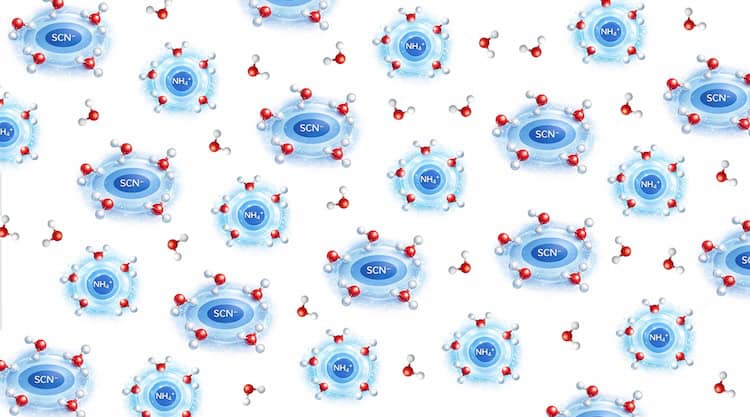
Researchers from the Institute of Metal Research of the Chinese Academy of Sciences have developed a groundbreaking cooling technique that promises to revolutionize refrigeration. This new method, based on dissolution barocaloric cooling, boasts a cooling capacity of 67 J/g and an impressive efficiency of nearly 77%. Remarkably, it can reduce the temperature of a sample by 27 K in just 20 seconds, significantly outperforming traditional barocaloric materials.
Current refrigeration technology predominantly relies on vapour-compression cooling. This century-old method involves a fluid changing phase, where a liquid refrigerant evaporates into gas, absorbing heat from its environment. A compressor then converts the gas back into a liquid, releasing heat in the process. While effective, this approach is energy-intensive and nearing the limits of efficiency as set by the Carnot limit. Moreover, many refrigerants used are toxic and contribute to environmental harm.
In recent years, researchers have turned to caloric cooling as an alternative. This approach manipulates the entropy within a material using various forces, including magnetic and electrical fields, mechanical forces, or applied pressure. Among these, barocaloric cooling has shown promise, although the majority of known barocaloric materials are solids with limited heat transfer efficiency and cooling capacity.
The innovative technique developed by Bing Li and his colleagues addresses these limitations through a fundamental thermodynamic process called endothermic dissolution. When a salt dissolves in a solvent, the energy required to break the solvent’s bonds results in cooling. The researchers utilized ammonium thiocyanate (NH4SCN), a chaotropic agent that disrupts hydrogen bonding and maximizes solubility in water. This material not only exhibits a significant enthalpy of solution but also responds effectively to applied pressures within the range of conventional hydraulic systems.
The research team’s findings, published in the journal Nature, suggest that their method could inspire further exploration into similar cooling techniques that do not depend on phase transitions. Li notes the high-temperature efficacy of aqueous NH4SCN barocaloric cooling could make it ideal for managing the thermal requirements of AI data centres, as well as potential applications in air conditioning for both domestic and industrial settings.
Despite its promising capabilities, there are challenges that must be addressed before this cooling technology can be commercialized. The corrosive nature of NH4SCN poses risks to refrigerator components, and the high pressures involved could lead to long-term damage. To tackle these issues, the researchers plan to investigate other near-saturated solutions at the atomic level, particularly their responses to pressure changes.
Li emphasized the importance of fundamental studies in optimizing the performance of these fluids as refrigerants, stating, “Such fundamental studies are vital if we are to optimize the performance of these fluids as refrigerants.” The research not only opens new avenues for environmentally friendly cooling solutions but also highlights the ongoing need for innovation in sustainable technology.








Belfast Gears Up for Vibrant St Patrick’s Day Parade on March 17

Cuba Faces Nationwide Blackout Amid Deepening Energy Crisis

Wirral Council to Restructure Leadership, Cutting Two Top Roles

Rethinking Resistance Training: Key Insights from US Experts

EU Membership on the Horizon: What It Means for Citizens

Ukrainian Drone Swarms Strike Moscow Region for Second Day

Henley Launches Innovative Initiative to Boost Local Economy

Court Ruling Allows Pandemic Tax Refund Claims Until 2026

Sean Penn’s Absence at 2026 Oscars Sparks Discussion

Coronation Street’s Shocking Murder Twist Reveals Family Secrets

Andrew Pierce Confirms Departure from ITV’s Good Morning Britain

Katie Price Faces New Health Concerns After Cancer Symptoms Resurface

Gyles Brandreth Shares Grandson’s Cancer Battle and Recovery

Sue Radford Reveals Weight Loss Journey, Shedding 12–13 kg

Kate Garraway Sells £2 Million Home Amid Financial Struggles

Jordan Brook Faces Health Crisis in Hospital as Sophie Kasaei Stays Away

EastEnders’ Nicola Mitchell Faces Unexpected Pregnancy Crisis

Reddit Study Reveals Distinctions Between Lurkers and Power Users
-
 World8 months ago
Coronation Street’s Shocking Murder Twist Reveals Family Secrets
-
 Entertainment8 months ago
Andrew Pierce Confirms Departure from ITV’s Good Morning Britain
-
 Health11 months ago
Katie Price Faces New Health Concerns After Cancer Symptoms Resurface
-
 Health6 months ago
Gyles Brandreth Shares Grandson’s Cancer Battle and Recovery
-
 Health6 months ago
Sue Radford Reveals Weight Loss Journey, Shedding 12–13 kg
-
 Entertainment12 months ago
Kate Garraway Sells £2 Million Home Amid Financial Struggles
-
 Entertainment4 months ago
Jordan Brook Faces Health Crisis in Hospital as Sophie Kasaei Stays Away
-
 World9 months ago
EastEnders’ Nicola Mitchell Faces Unexpected Pregnancy Crisis
-
 Science8 months ago
Reddit Study Reveals Distinctions Between Lurkers and Power Users
-

 World8 months ago
Mother Charged After Son, 9, Killed in Tragic Incident in Italy
-

 Entertainment11 months ago
Ann Ming Reflects on ITV’s ‘I Fought the Law’ Drama
-

 World8 months ago
Bailey Announces Heartbreaking Split from Rebecca After Reunion