
Science
Innovating Concrete: A Sustainable Future for Construction

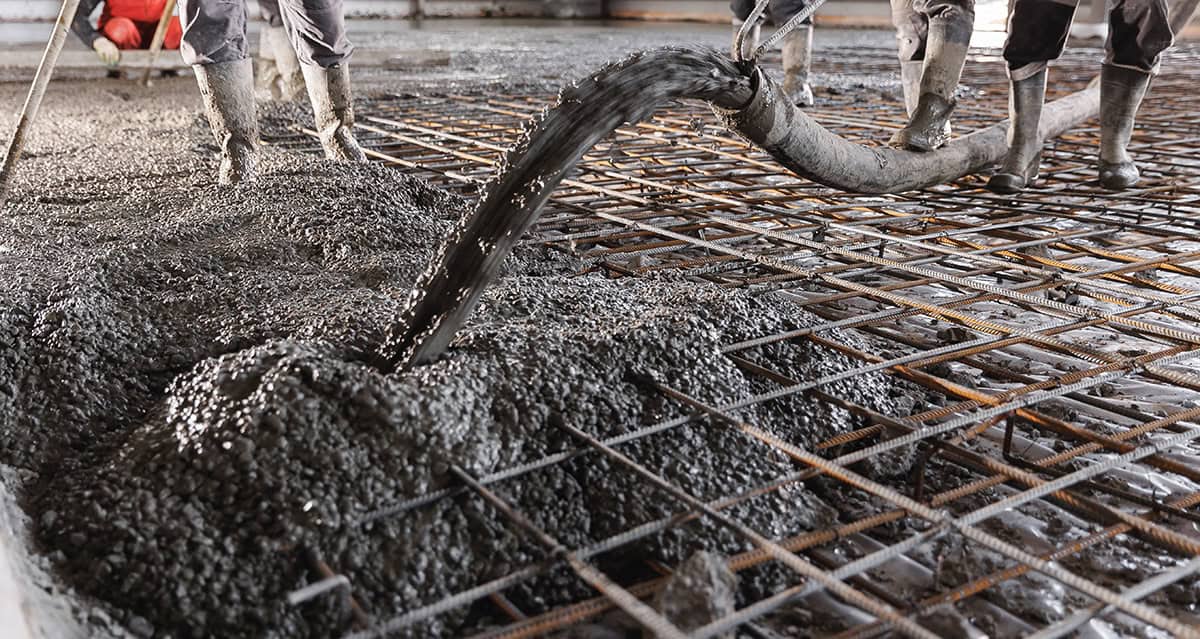
Concrete is undergoing a transformation as researchers and industry leaders seek to reduce its environmental impact and create more sustainable construction materials. Utilizing innovative alternatives and advanced technology, experts aim to mitigate the carbon footprint of concrete, which is the second most consumed material globally, following water.
Concrete production generates significant greenhouse gas emissions, primarily due to the high energy required to produce cement. According to the Mineral Products Association, the UK concrete industry has reduced its direct and indirect environmental impacts by over 53% since 1990 through various initiatives. However, the vast scale of concrete production means more efforts are required.
Addressing Concrete’s Environmental Impact
The production of ordinary cement clinker involves heating limestone to temperatures of approximately 1450 °C, a process that releases substantial amounts of carbon dioxide (CO2). Cement accounts for around 90% of the carbon footprint of a typical concrete mix. While the UK has made significant strides in decarbonizing its concrete industry, there is a pressing need for global solutions.
Innovative researchers like Gashaw Abebaw Adanu from Debre Tabor University in Ethiopia are exploring low-carbon alternatives to traditional cement. His 2021 study investigated the use of bamboo leaf ash, a common local construction waste, as a partial replacement for cement. Findings indicated that replacing up to 10% of standard cement with bamboo leaf ash could enhance the concrete’s strength and durability.
In addition to alternative materials, Adanu’s research highlights the potential of fibre reinforcement in concrete. By incorporating small amounts of materials such as steel, copper, or even human hair, the tensile and compressive strength of concrete can improve significantly. Adanu noted that using 1-2% of human hair in concrete mixtures resulted in greater resistance to cracking and reduced shrinkage, making concrete both cleaner and more sustainable.
Leveraging Technology for Sustainable Solutions
The intersection of artificial intelligence (AI) and concrete innovation is becoming increasingly relevant. A team from the Massachusetts Institute of Technology (MIT) conducted a comprehensive review of alternative cement ingredients, identifying various biomass ashes and construction waste materials with significant potential to reduce cement’s carbon impact. Their findings support existing knowledge while paving the way for future alternatives.
Construction technology companies such as Converge and Concrete.ai are employing AI to optimize concrete production. Converge, led by physicists Raphael Scheps and Gideon Farrell, is compiling one of the largest datasets on concrete performance. Their AI models simulate the interactions of different components to predict the performance of various concrete mixes, enabling construction firms to adopt lower-carbon alternatives confidently.
Meanwhile, Concrete.ai uses a generative AI model trained on extensive concrete data to create new, optimized mix designs. This technology allows for the discovery of innovative recipes that comply with physical and chemical laws, offering a pathway for sustainable concrete solutions.
As AI technology evolves, it holds promise not only for optimizing concrete production but also for addressing the environmental challenges posed by the construction industry. The partnership between tech giants like Meta and concrete manufacturers aims to develop AI-optimized concrete for data centers, which are notorious for their carbon emissions. For instance, a custom mix for Meta’s new data center in Minnesota is projected to reduce the total carbon footprint of the concrete by 35%.
This synergy between concrete and AI represents a significant opportunity to promote sustainability in the construction sector, particularly as the demand for concrete continues to rise globally. As researchers and companies collaborate to find greener solutions, the future of concrete could become more sustainable, paving the way for a cleaner and more efficient construction industry.








Belfast Gears Up for Vibrant St Patrick’s Day Parade on March 17

Cuba Faces Nationwide Blackout Amid Deepening Energy Crisis

Wirral Council to Restructure Leadership, Cutting Two Top Roles

Rethinking Resistance Training: Key Insights from US Experts

EU Membership on the Horizon: What It Means for Citizens

Ukrainian Drone Swarms Strike Moscow Region for Second Day

Henley Launches Innovative Initiative to Boost Local Economy

Court Ruling Allows Pandemic Tax Refund Claims Until 2026

Sean Penn’s Absence at 2026 Oscars Sparks Discussion

Coronation Street’s Shocking Murder Twist Reveals Family Secrets

Andrew Pierce Confirms Departure from ITV’s Good Morning Britain

Katie Price Faces New Health Concerns After Cancer Symptoms Resurface

Gyles Brandreth Shares Grandson’s Cancer Battle and Recovery

Sue Radford Reveals Weight Loss Journey, Shedding 12–13 kg

Kate Garraway Sells £2 Million Home Amid Financial Struggles

Jordan Brook Faces Health Crisis in Hospital as Sophie Kasaei Stays Away

EastEnders’ Nicola Mitchell Faces Unexpected Pregnancy Crisis

Reddit Study Reveals Distinctions Between Lurkers and Power Users
-
 World8 months ago
Coronation Street’s Shocking Murder Twist Reveals Family Secrets
-
 Entertainment8 months ago
Andrew Pierce Confirms Departure from ITV’s Good Morning Britain
-
 Health12 months ago
Katie Price Faces New Health Concerns After Cancer Symptoms Resurface
-
 Health7 months ago
Gyles Brandreth Shares Grandson’s Cancer Battle and Recovery
-
 Health7 months ago
Sue Radford Reveals Weight Loss Journey, Shedding 12–13 kg
-
 Entertainment1 year ago
Kate Garraway Sells £2 Million Home Amid Financial Struggles
-
 Entertainment5 months ago
Jordan Brook Faces Health Crisis in Hospital as Sophie Kasaei Stays Away
-
 World9 months ago
EastEnders’ Nicola Mitchell Faces Unexpected Pregnancy Crisis
-
 Science8 months ago
Reddit Study Reveals Distinctions Between Lurkers and Power Users
-

 World9 months ago
Mother Charged After Son, 9, Killed in Tragic Incident in Italy
-

 Entertainment12 months ago
Ann Ming Reflects on ITV’s ‘I Fought the Law’ Drama
-

 World9 months ago
Bailey Announces Heartbreaking Split from Rebecca After Reunion