
Science
Scientist Risks Health to Test Claims of Havana Syndrome

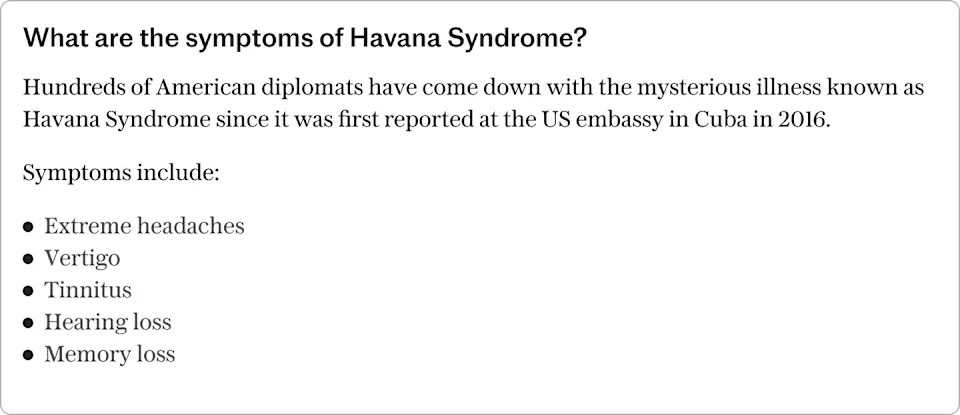
A scientist in Norway has reportedly sustained brain damage after conducting a secret self-experiment aimed at disproving the existence of Havana Syndrome. The unidentified researcher developed a machine capable of emitting powerful pulses of microwave energy, intending to demonstrate that such devices pose no harm to humans. Following the experiment, conducted in strict secrecy in 2024, he experienced symptoms akin to those reported by US diplomats suffering from the mysterious condition.
The Norwegian government informed the CIA about the experiment and its troubling outcomes, as reported by The Washington Post. This prompted at least two visits from officials at the Pentagon and the White House, highlighting the seriousness of the situation.
Havana Syndrome first emerged in 2016 when diplomats at the US embassy in Cuba began reporting unexplained cognitive symptoms, including severe headaches, vertigo, memory loss, and hearing impairment. Since then, over 15 countries have reported similar cases among diplomats and government personnel, leading the US government to categorize these incidents as “anomalous health incidents.”
The circumstances surrounding the illness have fueled arguments that it may be linked to secretive “pulsed-energy” devices that emit concentrated beams of electromagnetic energy. Speculation has arisen that the US may have acquired such technology following the January 3, 2024 capture of Venezuelan leader Nicolas Maduro. An anonymous account from a purported bodyguard claimed that a sonic wave during the raid incapacitated security personnel, causing bleeding and vomiting.
In a quote circulating on social media, the individual described a harrowing experience: “Suddenly I felt like my head was exploding from the inside. We all started bleeding from the nose. Some were vomiting blood. We fell to the ground, unable to move.”
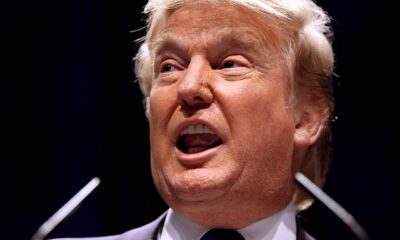
Former US President Donald Trump has hinted at the potential use of such technology, referring to a device as “The Discombobulator” in an interview with the New York Post. He suggested that during military operations, adversaries were unable to effectively use their weapons due to interference from this technology.
In recent years, suspicions have mounted that foreign actors, possibly from Russia, might be targeting American officials with microwave emissions, leading to neurological damage. The Kremlin has dismissed these allegations, and no concrete evidence has emerged linking Russia to the Havana Syndrome cases. Some analysts propose that the symptoms may stem from targeted sonic attacks, while others attribute them to stress, environmental pollution, or exposure to chemical agents.
A January 2022 interim assessment by the CIA indicated that a foreign nation was likely not the cause of the Havana Syndrome incidents. Following the 2024 US presidential election, White House officials expressed uncertainty regarding the role of foreign actors, suggesting it was plausible that “external factors” could be responsible for the symptoms, as reported by The Washington Post.
The ongoing investigation into the nature of Havana Syndrome continues to raise questions about its origins and potential health impacts. As more information emerges, the scientific community remains vigilant in understanding the complexities surrounding this enigmatic illness.








Belfast Gears Up for Vibrant St Patrick’s Day Parade on March 17

Cuba Faces Nationwide Blackout Amid Deepening Energy Crisis

Wirral Council to Restructure Leadership, Cutting Two Top Roles

Rethinking Resistance Training: Key Insights from US Experts

EU Membership on the Horizon: What It Means for Citizens

Ukrainian Drone Swarms Strike Moscow Region for Second Day

Henley Launches Innovative Initiative to Boost Local Economy

Court Ruling Allows Pandemic Tax Refund Claims Until 2026

Sean Penn’s Absence at 2026 Oscars Sparks Discussion

Coronation Street’s Shocking Murder Twist Reveals Family Secrets

Andrew Pierce Confirms Departure from ITV’s Good Morning Britain

Katie Price Faces New Health Concerns After Cancer Symptoms Resurface

Gyles Brandreth Shares Grandson’s Cancer Battle and Recovery

Sue Radford Reveals Weight Loss Journey, Shedding 12–13 kg

Kate Garraway Sells £2 Million Home Amid Financial Struggles

Jordan Brook Faces Health Crisis in Hospital as Sophie Kasaei Stays Away

EastEnders’ Nicola Mitchell Faces Unexpected Pregnancy Crisis

Reddit Study Reveals Distinctions Between Lurkers and Power Users
-
 World8 months ago
Coronation Street’s Shocking Murder Twist Reveals Family Secrets
-
 Entertainment8 months ago
Andrew Pierce Confirms Departure from ITV’s Good Morning Britain
-
 Health11 months ago
Katie Price Faces New Health Concerns After Cancer Symptoms Resurface
-
 Health6 months ago
Gyles Brandreth Shares Grandson’s Cancer Battle and Recovery
-
 Health6 months ago
Sue Radford Reveals Weight Loss Journey, Shedding 12–13 kg
-
 Entertainment1 year ago
Kate Garraway Sells £2 Million Home Amid Financial Struggles
-
 Entertainment5 months ago
Jordan Brook Faces Health Crisis in Hospital as Sophie Kasaei Stays Away
-
 World9 months ago
EastEnders’ Nicola Mitchell Faces Unexpected Pregnancy Crisis
-
 Science8 months ago
Reddit Study Reveals Distinctions Between Lurkers and Power Users
-

 World9 months ago
Mother Charged After Son, 9, Killed in Tragic Incident in Italy
-

 Entertainment11 months ago
Ann Ming Reflects on ITV’s ‘I Fought the Law’ Drama
-

 World9 months ago
Bailey Announces Heartbreaking Split from Rebecca After Reunion