
Science
Invest in Science to Prepare for Future Pandemics, Experts Urge

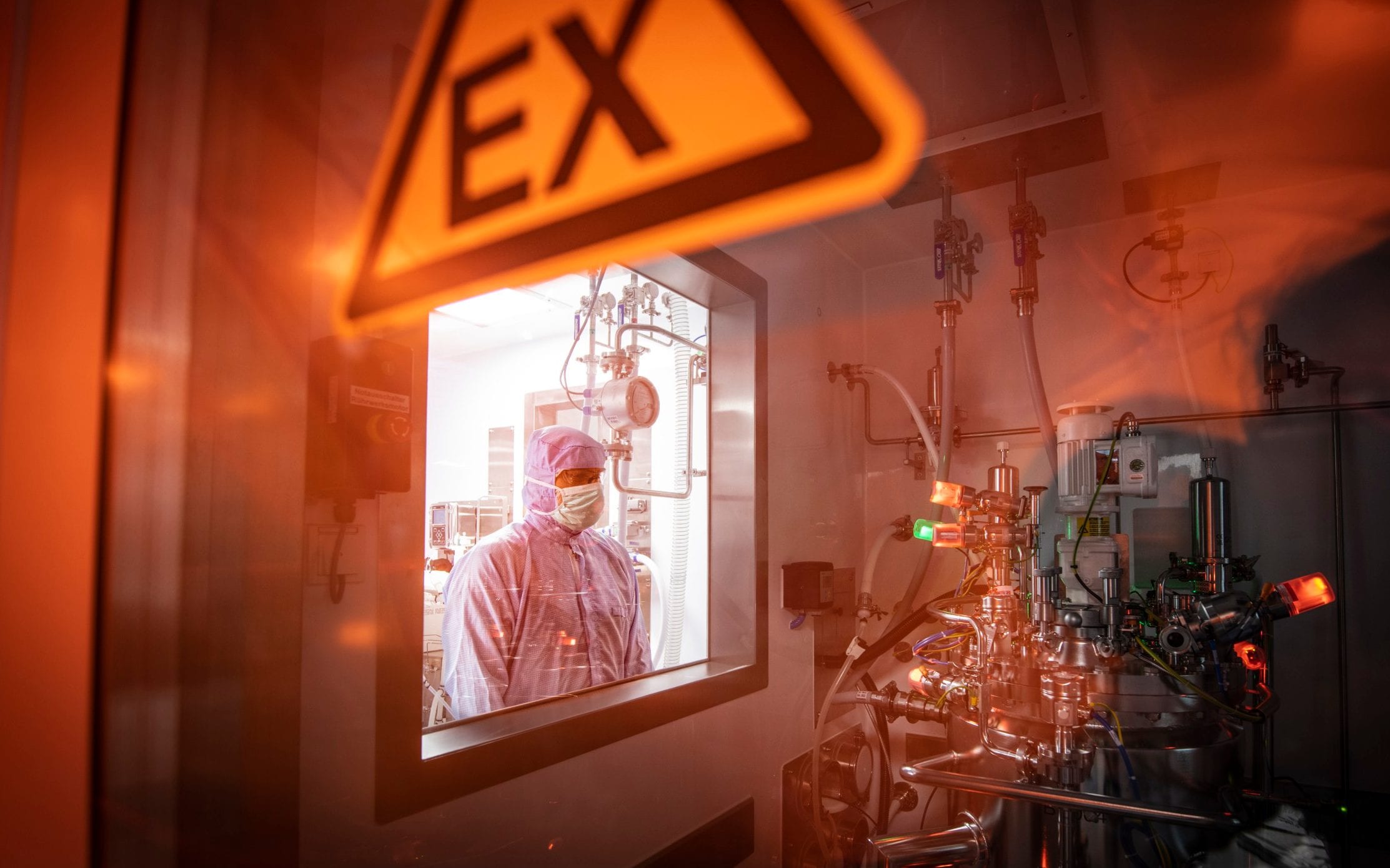
The threat of future pandemics is a pressing reality, with experts urging global leaders to invest in science and research to ensure preparedness. The call to action comes in light of recent findings from the World Health Organization (WHO) and the United Nations (UN), which highlight the importance of scientific advancement in combating infectious diseases. As the world grapples with the consequences of the COVID-19 pandemic, the urgency to enhance global health infrastructure has never been clearer.
Following the devastation of the COVID-19 pandemic, which resulted in millions of deaths worldwide and significant economic disruption, experts argue that investing in science is essential for mitigating the risks of future outbreaks. During the G20 Summit held in September 2023, Dr. Tedros Adhanom Ghebreyesus, the Director-General of WHO, emphasized that “the next pandemic is not a question of if, but when.”
Strengthening Global Health Systems
To effectively confront future health crises, experts advocate for the establishment of a Global Fund for Pandemic Preparedness. This initiative would focus on bolstering research capabilities, increasing vaccine production, and enhancing surveillance systems to detect emerging infectious diseases early. The proposed fund aims to mobilize approximately $10 billion over the next decade.
Investments in scientific research have proven to be critical in understanding and combating pathogens. For instance, the rapid development of COVID-19 vaccines was made possible due to years of prior research on coronaviruses. As Dr. Ghebreyesus noted, “Without adequate funding for scientific research, we risk facing the same devastating consequences as we did with COVID-19.”
Countries are also encouraged to adhere to the International Health Regulations, which set a framework for managing global health risks. Strengthening these regulations can enhance cooperation among nations and improve responses to future pandemics.
The Role of Innovation and Collaboration
Collaboration between governments, private sectors, and academic institutions is vital for fostering innovation in vaccine development and public health strategies. The pandemic highlighted the importance of sharing data and resources globally. Countries that invested in scientific collaboration fared better in their responses to COVID-19, demonstrating that a united front is essential.
The potential for future pandemics underscores the necessity for proactive measures. According to a report by the Global Preparedness Monitoring Board, an estimated $3.4 billion is required annually to ensure global health security. This funding would support initiatives ranging from vaccine distribution to public health education campaigns.
Global leaders must prioritize funding for scientific research and health infrastructure. By doing so, they can protect millions of lives and mitigate the economic fallout from potential outbreaks. The message is clear: without decisive action now, the world risks being caught unprepared for the next health crisis.
As discussions continue, the focus remains on harnessing the power of science as a fundamental tool in safeguarding global health. The commitment to invest in research and innovation is not merely a matter of preparedness; it is a necessity for the future of humanity.










Belfast Gears Up for Vibrant St Patrick’s Day Parade on March 17

Cuba Faces Nationwide Blackout Amid Deepening Energy Crisis

Wirral Council to Restructure Leadership, Cutting Two Top Roles

Rethinking Resistance Training: Key Insights from US Experts

EU Membership on the Horizon: What It Means for Citizens

Ukrainian Drone Swarms Strike Moscow Region for Second Day

Henley Launches Innovative Initiative to Boost Local Economy

Court Ruling Allows Pandemic Tax Refund Claims Until 2026

Sean Penn’s Absence at 2026 Oscars Sparks Discussion

Coronation Street’s Shocking Murder Twist Reveals Family Secrets

Andrew Pierce Confirms Departure from ITV’s Good Morning Britain

Katie Price Faces New Health Concerns After Cancer Symptoms Resurface

Gyles Brandreth Shares Grandson’s Cancer Battle and Recovery

Sue Radford Reveals Weight Loss Journey, Shedding 12–13 kg

Kate Garraway Sells £2 Million Home Amid Financial Struggles

Jordan Brook Faces Health Crisis in Hospital as Sophie Kasaei Stays Away

EastEnders’ Nicola Mitchell Faces Unexpected Pregnancy Crisis

Mother Charged After Son, 9, Killed in Tragic Incident in Italy
-
 World7 months ago
Coronation Street’s Shocking Murder Twist Reveals Family Secrets
-
 Entertainment7 months ago
Andrew Pierce Confirms Departure from ITV’s Good Morning Britain
-
 Health10 months ago
Katie Price Faces New Health Concerns After Cancer Symptoms Resurface
-
 Health5 months ago
Gyles Brandreth Shares Grandson’s Cancer Battle and Recovery
-
 Health6 months ago
Sue Radford Reveals Weight Loss Journey, Shedding 12–13 kg
-
 Entertainment11 months ago
Kate Garraway Sells £2 Million Home Amid Financial Struggles
-
 Entertainment4 months ago
Jordan Brook Faces Health Crisis in Hospital as Sophie Kasaei Stays Away
-
 World8 months ago
EastEnders’ Nicola Mitchell Faces Unexpected Pregnancy Crisis
-
 World8 months ago
Mother Charged After Son, 9, Killed in Tragic Incident in Italy
-

 Entertainment10 months ago
Ann Ming Reflects on ITV’s ‘I Fought the Law’ Drama
-

 World8 months ago
Bailey Announces Heartbreaking Split from Rebecca After Reunion
-

 Entertainment5 months ago
Selena Gomez’s Name Linked to Epstein: Examining the Claims