
Entertainment
Political Consultant Warns of Challenges Ahead for Montenegro’s EU Bid

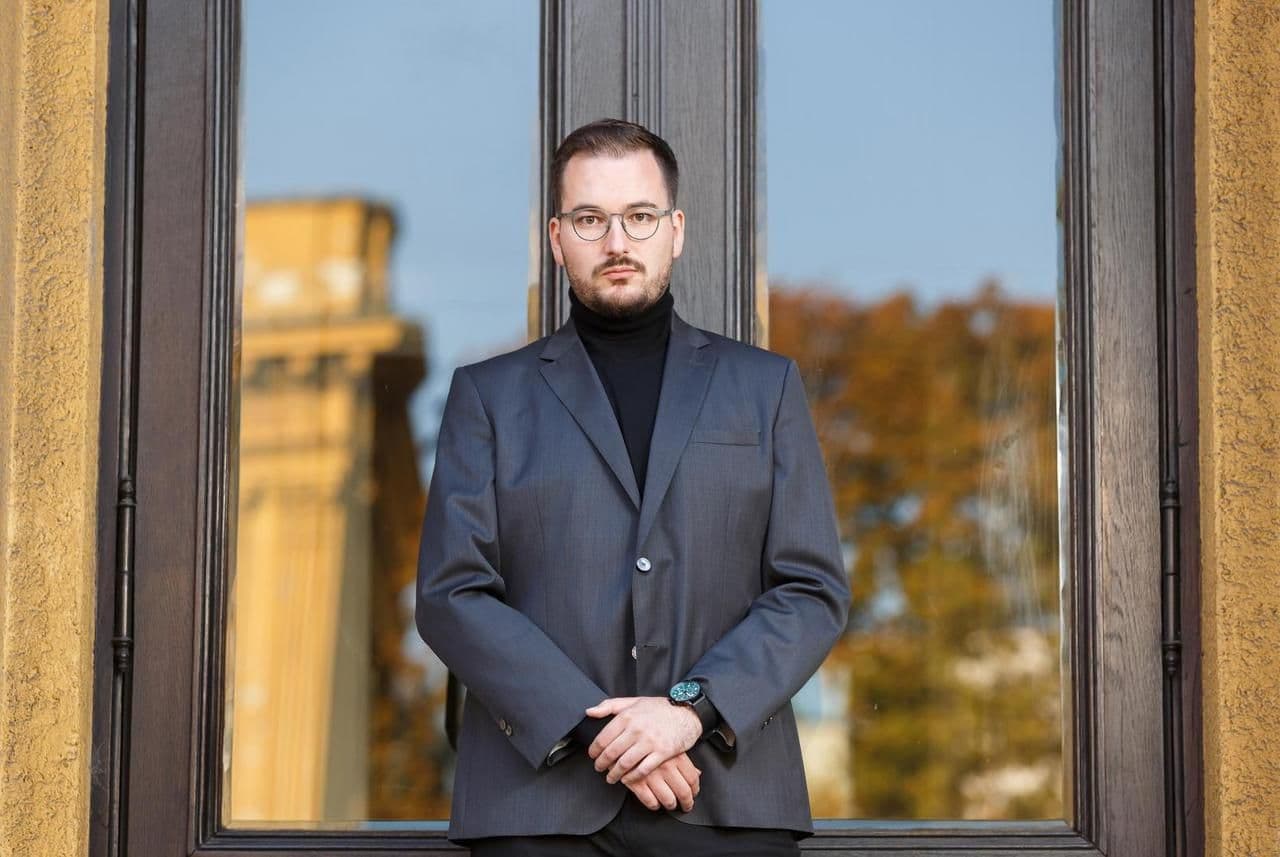
Political consultant and analyst Aleksandar Mušić expressed concerns regarding Montenegro’s path to European Union membership, emphasizing that significant challenges are expected by 2027/28. Speaking on the central news program “24 Hours” on Television E, Mušić highlighted the importance of Montenegro’s integration into the EU while questioning the genuine commitment of the current leadership to the country’s reforms.
According to Mušić, while the EU is eager for Montenegro to join, the leadership’s performance remains questionable. He stated, “The closing of chapters is happening almost on autopilot. If you placed a houseplant in the position of the Minister for European Integration or the Prime Minister, the chapters would still close because the EU sincerely wants Montenegro in its membership.” This observation underscores a growing sentiment that the EU’s interests may overshadow Montenegro’s internal dynamics.
Mušić pointed out that the absence of serious lobbying efforts in various European countries could hinder Montenegro’s accession process. He stressed the need for proactive engagement, particularly in nations where power shifts are anticipated post-2027. This strategic approach is essential to navigate the changing political landscape within the EU.
Looking ahead, Mušić noted that the first serious obstacles to Montenegro’s EU bid will arise as the electoral climate in Europe evolves. He remarked that the parliamentary decisions on Montenegro’s accession will increasingly reflect the political sentiments of these countries, potentially complicating the integration process.
Examining the internal political landscape, he criticized the ruling Democratic Party of Socialists (DPS) for failing to deliver substantive reforms that directly benefit citizens. He stated, “You have the PES nominally closing chapters without delivering any reforms vertically—nothing that would directly impact the citizens’ quality of life.” Mušić also pointed to the rising influence of the New Serbian Democracy party and the challenges posed by opposition parties, which he believes are failing to capitalize on the government’s missteps.
Mušić characterized the current coalition, known as “For the Future of Montenegro,” as a minor distraction amidst a broader political struggle. He likened the coalition’s dynamics to a “good cop, bad cop” scenario, suggesting that the interplay between different factions within the coalition may not reflect genuine ideological differences.
He criticized the opposition for its missed opportunities, stating that the current government is rife with scandals that could be leveraged for political advantage. “In Montenegro, the opposition has hundreds of chances each day to score points. The level of embarrassment and missteps in the government is unparalleled,” he remarked. Mušić urged for a more aggressive opposition approach to take advantage of the ruling party’s vulnerabilities.
Commenting on President Jakov Milatović, Mušić did not hold back. He described Milatović as the “greatest political talent deficit” to emerge on the Montenegrin political scene, stating, “The more he struggles, the more he sinks.” Mušić believes that Milatović’s lack of social support is detrimental to his political standing. “He has no one who trusts or fears him. In politics, you need at least a mix of those elements,” he added.
He suggested that Milatović could have enjoyed significant public support had he taken a more reserved approach after his election victory. “Had he simply remained quiet after his win, he could be enjoying a 60% approval rating today,” Mušić argued.
In a related context, Mušić addressed the recent case involving Miloš Medenica, criticizing the state’s failure to uphold accountability. He stated that the government must answer for its inability to enforce laws effectively, especially in light of the Prime Minister’s calls for responsibility that have yielded no results.
He specifically criticized the Minister of Internal Affairs and the Director of the Police Administration for their handling of the situation, indicating a failure to act in accordance with legal standards. Mušić concluded by suggesting that Vesna Medenica has chosen to accept punishment in an effort to protect her son, highlighting the complex interplay of personal and political interests that often characterizes Montenegrin governance.
As Montenegro navigates its EU aspirations, the interplay between internal politics and external expectations will undoubtedly shape its future trajectory. The coming years will be crucial in determining whether Montenegro can overcome these hurdles and realize its European ambitions.










Belfast Gears Up for Vibrant St Patrick’s Day Parade on March 17

Cuba Faces Nationwide Blackout Amid Deepening Energy Crisis

Wirral Council to Restructure Leadership, Cutting Two Top Roles

Rethinking Resistance Training: Key Insights from US Experts

EU Membership on the Horizon: What It Means for Citizens

Ukrainian Drone Swarms Strike Moscow Region for Second Day

Henley Launches Innovative Initiative to Boost Local Economy

Court Ruling Allows Pandemic Tax Refund Claims Until 2026

Sean Penn’s Absence at 2026 Oscars Sparks Discussion

Coronation Street’s Shocking Murder Twist Reveals Family Secrets

Andrew Pierce Confirms Departure from ITV’s Good Morning Britain

Katie Price Faces New Health Concerns After Cancer Symptoms Resurface

Gyles Brandreth Shares Grandson’s Cancer Battle and Recovery

Sue Radford Reveals Weight Loss Journey, Shedding 12–13 kg

Kate Garraway Sells £2 Million Home Amid Financial Struggles

Jordan Brook Faces Health Crisis in Hospital as Sophie Kasaei Stays Away

EastEnders’ Nicola Mitchell Faces Unexpected Pregnancy Crisis

Reddit Study Reveals Distinctions Between Lurkers and Power Users
-
 World8 months ago
Coronation Street’s Shocking Murder Twist Reveals Family Secrets
-
 Entertainment8 months ago
Andrew Pierce Confirms Departure from ITV’s Good Morning Britain
-
 Health12 months ago
Katie Price Faces New Health Concerns After Cancer Symptoms Resurface
-
 Health7 months ago
Gyles Brandreth Shares Grandson’s Cancer Battle and Recovery
-
 Health7 months ago
Sue Radford Reveals Weight Loss Journey, Shedding 12–13 kg
-
 Entertainment1 year ago
Kate Garraway Sells £2 Million Home Amid Financial Struggles
-
 Entertainment5 months ago
Jordan Brook Faces Health Crisis in Hospital as Sophie Kasaei Stays Away
-
 World9 months ago
EastEnders’ Nicola Mitchell Faces Unexpected Pregnancy Crisis
-
 Science8 months ago
Reddit Study Reveals Distinctions Between Lurkers and Power Users
-

 World9 months ago
Mother Charged After Son, 9, Killed in Tragic Incident in Italy
-

 Entertainment12 months ago
Ann Ming Reflects on ITV’s ‘I Fought the Law’ Drama
-

 World9 months ago
Bailey Announces Heartbreaking Split from Rebecca After Reunion