
Lifestyle
Unearthing Queer History: Scandals and Love in UK Palaces

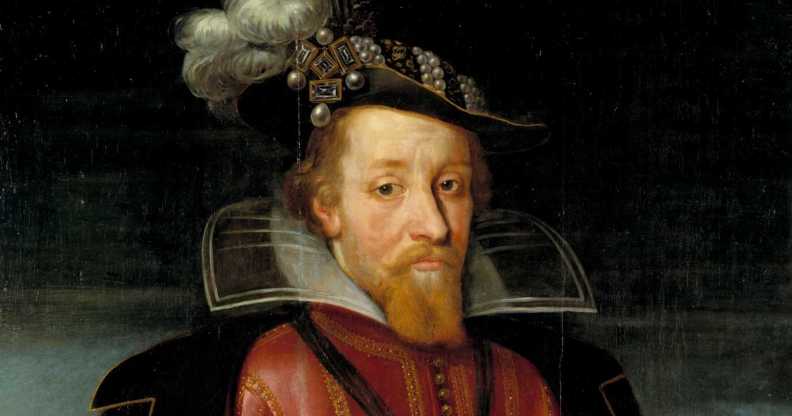
Historians are increasingly recognizing the importance of queer narratives in British history, with new insights emerging from the country’s royal palaces. Historian and author Gareth Russell is at the forefront of this movement, advocating for the inclusion of LGBTQ+ stories alongside traditional historical figures such as King Henry VIII. Russell’s research sheds light on the rich tapestry of relationships, scandals, and love affairs that played out within the walls of the Historic Royal Palaces, an independent charity responsible for six significant royal sites in the UK.
Hampton Court Palace, known for its stunning architecture and historical significance, served as a backdrop for many of King James I‘s romantic entanglements. From 1603 to 1625, the monarch shared a close relationship with the Duke of Buckingham, providing him with an entire floor of rooms connected by a private stairway. Russell recounts the extravagant masquerade balls held in the Great Hall, where one of James’s earlier lovers, Lord Philip Herbert, would perform in elaborate costumes. Such tales highlight not only the passionate undertones of these relationships but also moments of levity and joy, contrasting the often tragic narratives associated with queer history.
Russell emphasizes the significance of the letters exchanged between James and his lovers, which are some of the earliest surviving examples of romantic correspondence between same-sex partners among royalty. One letter reveals the Duke of Buckingham’s longing to feel the King’s embrace, while another from James expresses his willingness to forgo his throne to remain with his beloved George Villiers.
Romance and Intrigue at Kensington Palace
The story of love does not end with King James I. Kensington Palace, associated with Queen Anne, who reigned from 1702 to 1714, is another site rich with queer history. Russell notes that many consider Queen Anne to have been a lesbian, particularly due to her close relationships with the Duchess of Marlborough and Lady Masham. Their connections are thought to have inspired the critically acclaimed film “The Favourite.” Within the palace’s walls, the dynamics of their love triangle illustrate the complexities of female intimacy in a time when such relationships were often overlooked.
Scandals and Power Plays at the Tower of London
The Tower of London holds its share of dark tales, including a notorious blackmail scandal involving Thomas Overbury, who sought to leverage his intimate relationship with Robert Carr to gain political influence. After attempting to blackmail Carr regarding his affair with King James I, Overbury found himself imprisoned. His suspicious death in the Tower raised questions, with rumors circulating about poisoning orchestrated by those fearing the repercussions of Overbury’s potential revelations.
Russell underscores the importance of sharing these narratives, stating that they serve to humanize historical figures much like their heterosexual counterparts. He illustrates how queer stories, often shrouded in secrecy, were as vibrant and tumultuous as any traditional love story.
Modern Reflections at Hillsborough Castle
Another significant site, Hillsborough Castle, was frequented by the Late Queen Mother, Elizabeth Angela Marguerite Bowes-Lyon, who surrounded herself with loyal staff members including two openly gay servants, William Tallon and Reginald Wilcock. Their long-standing relationship unfolded during a time when homosexuality was illegal in the UK, yet they remained devoted to each other and to the Queen Mother. Russell shares an anecdote illustrating her acceptance of their relationship, showcasing a rare moment of humor and humanity within the royal household.
The Legacy of Lord Hervey
At Kew Palace, the life of Lord Hervey further exemplifies the intersection of politics and personal relationships in the context of LGBTQ+ history. Described as a witty dinner guest, Hervey was bisexual and had a complex relationship with Stephen Fox, a member of Parliament. Their correspondence, filled with affectionate language and intimate details, underscores the depth of their connection.
Russell’s exploration of these hidden stories reveals how LGBTQ+ history intertwines with the broader narrative of British royalty. The evidence of such relationships, while often overlooked, contributes significantly to our understanding of the past and emphasizes the progress made in societal attitudes toward LGBTQ+ individuals.
As Russell aptly concludes, these tales remind us that love, in all its forms, has always existed within the corridors of power and influence. The Historic Royal Palaces’ initiative to recognize and celebrate these stories invites a broader audience to engage with the rich, multifaceted history of the UK.


Belfast Gears Up for Vibrant St Patrick’s Day Parade on March 17

Cuba Faces Nationwide Blackout Amid Deepening Energy Crisis

Wirral Council to Restructure Leadership, Cutting Two Top Roles

Rethinking Resistance Training: Key Insights from US Experts

EU Membership on the Horizon: What It Means for Citizens

Ukrainian Drone Swarms Strike Moscow Region for Second Day

Henley Launches Innovative Initiative to Boost Local Economy

Court Ruling Allows Pandemic Tax Refund Claims Until 2026

Sean Penn’s Absence at 2026 Oscars Sparks Discussion

Coronation Street’s Shocking Murder Twist Reveals Family Secrets

Andrew Pierce Confirms Departure from ITV’s Good Morning Britain

Katie Price Faces New Health Concerns After Cancer Symptoms Resurface

Gyles Brandreth Shares Grandson’s Cancer Battle and Recovery

Sue Radford Reveals Weight Loss Journey, Shedding 12–13 kg

Kate Garraway Sells £2 Million Home Amid Financial Struggles

Jordan Brook Faces Health Crisis in Hospital as Sophie Kasaei Stays Away

EastEnders’ Nicola Mitchell Faces Unexpected Pregnancy Crisis

Mother Charged After Son, 9, Killed in Tragic Incident in Italy
-
 World7 months ago
Coronation Street’s Shocking Murder Twist Reveals Family Secrets
-
 Entertainment7 months ago
Andrew Pierce Confirms Departure from ITV’s Good Morning Britain
-
 Health10 months ago
Katie Price Faces New Health Concerns After Cancer Symptoms Resurface
-
 Health5 months ago
Gyles Brandreth Shares Grandson’s Cancer Battle and Recovery
-
 Health6 months ago
Sue Radford Reveals Weight Loss Journey, Shedding 12–13 kg
-
 Entertainment12 months ago
Kate Garraway Sells £2 Million Home Amid Financial Struggles
-
 Entertainment4 months ago
Jordan Brook Faces Health Crisis in Hospital as Sophie Kasaei Stays Away
-
 World8 months ago
EastEnders’ Nicola Mitchell Faces Unexpected Pregnancy Crisis
-
 World8 months ago
Mother Charged After Son, 9, Killed in Tragic Incident in Italy
-

 Entertainment10 months ago
Ann Ming Reflects on ITV’s ‘I Fought the Law’ Drama
-

 World8 months ago
Bailey Announces Heartbreaking Split from Rebecca After Reunion
-

 Entertainment5 months ago
Selena Gomez’s Name Linked to Epstein: Examining the Claims