
Politics
Trump Administration Proposes $1 Billion Fee for Gaza Peace Board

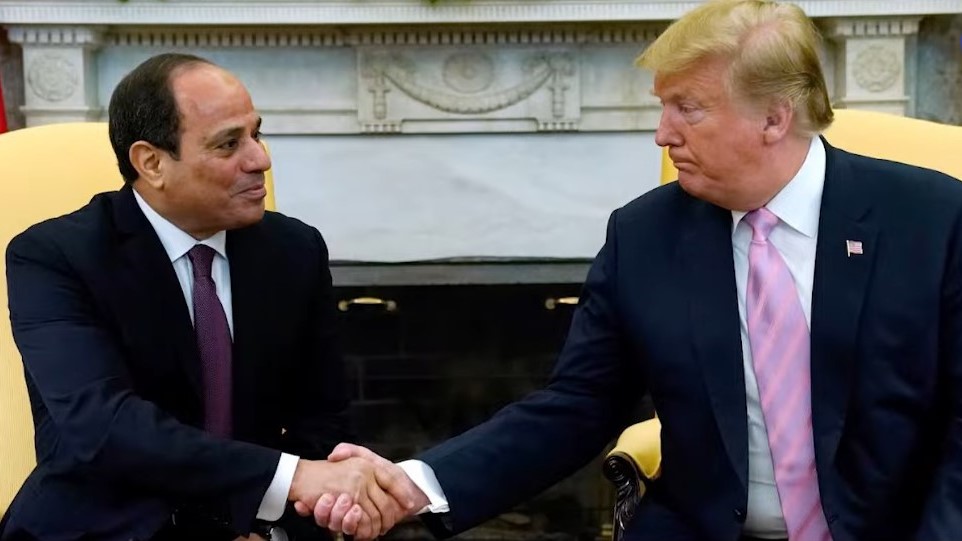
President Donald Trump’s administration has unveiled a controversial proposal linking permanent membership of the new Board of Peace to a substantial financial commitment of $1 billion. This initiative aims to redefine the financing and influence dynamics of global reconstruction efforts, particularly focused on post-war Gaza. The proposal has raised eyebrows among diplomats and aid experts who question the implications of such a high price for participation in an international peace body.
The crux of the debate stems from a draft charter circulated to multiple nations. As outlined in the document, countries can serve on the Board of Peace for up to three years without any financial contribution. However, those that contribute more than $1 billion in cash funds within the first year will not be subject to this time limit, granting them extended influence. The Board is envisioned as an organization dedicated to promoting stability, restoring governance, and securing peace in regions affected by conflict, starting with Gaza.
President Trump is expected to chair the Board and select its members, thus giving the United States significant authority over who participates and for how long. Proponents of the initiative argue that the proposed fee could secure vital resources necessary for the reconstruction of Gaza, which has suffered extensive damage from years of conflict. Yet, critical questions remain regarding the allocation of the $1 billion contributions and the ultimate control over these funds.
While reports suggest that the money is intended to support reconstruction, official documentation has not clarified how the funds will be distributed. For communities in Gaza, the stakes are exceptionally high. Rebuilding requires not just financial support, but also a governance structure that reflects the voices and needs of the Palestinian people, rather than exclusively those of affluent contributors.
Critics contend that linking influence to financial contributions risks overshadowing local priorities and concerns. It is important to note that there is no minimum fee required to join the Board of Peace. The proposal instead offers permanent membership to countries that demonstrate a strong commitment to peace, security, and prosperity.
The initiative has already encountered skepticism from key allies. The government of Israel, a close partner of the United States, criticized the formation of the Board, claiming it was not coordinated with Jerusalem. Several nations invited to participate have shown interest, but few have publicly accepted the $1 billion condition. Invitations have been extended to countries including Canada, Turkey, Egypt, Jordan, Greece, Cyprus, Pakistan, Argentina, and Hungary.
The White House has defended the payment requirement, labeling reports of a strict fee as “misleading.” Officials describe the financial commitment as an option for partner countries that exhibit a profound commitment to the principles of peace and stability.
Supporters of the Board’s structure claim that it could pave the way for innovative approaches to global peacebuilding, providing an alternative to traditional multilateral organizations that often face bureaucratic hurdles and political stalemates. Detractors, however, view the $1 billion threshold as indicative of a “pay-to-play” mentality, where influence is determined by wealth rather than moral leadership or commitment.
This could potentially exclude poorer nations from meaningful participation in decisions affecting the region’s future. Humanitarian organizations have voiced concerns that the urgent need for relief and social services may be overlooked in favor of geopolitical interests.
As of now, the Board of Peace has yet to formally convene, and it may take several months before its structure, mandate, and membership are finalized. Whether the $1 billion proposal remains a central feature or evolves into a more flexible framework will significantly influence not only who holds a seat at the table but also how reconstruction and peace efforts will unfold in Gaza and beyond. The ongoing debate raises a critical question: Is the price of participation prohibitively high, or is it a necessary investment in achieving lasting peace?









Belfast Gears Up for Vibrant St Patrick’s Day Parade on March 17

Cuba Faces Nationwide Blackout Amid Deepening Energy Crisis

Wirral Council to Restructure Leadership, Cutting Two Top Roles

Rethinking Resistance Training: Key Insights from US Experts

EU Membership on the Horizon: What It Means for Citizens

Ukrainian Drone Swarms Strike Moscow Region for Second Day

Henley Launches Innovative Initiative to Boost Local Economy

Court Ruling Allows Pandemic Tax Refund Claims Until 2026

Sean Penn’s Absence at 2026 Oscars Sparks Discussion

Coronation Street’s Shocking Murder Twist Reveals Family Secrets

Andrew Pierce Confirms Departure from ITV’s Good Morning Britain

Katie Price Faces New Health Concerns After Cancer Symptoms Resurface

Gyles Brandreth Shares Grandson’s Cancer Battle and Recovery

Sue Radford Reveals Weight Loss Journey, Shedding 12–13 kg

Kate Garraway Sells £2 Million Home Amid Financial Struggles

Jordan Brook Faces Health Crisis in Hospital as Sophie Kasaei Stays Away

EastEnders’ Nicola Mitchell Faces Unexpected Pregnancy Crisis

Mother Charged After Son, 9, Killed in Tragic Incident in Italy
-
 World7 months ago
Coronation Street’s Shocking Murder Twist Reveals Family Secrets
-
 Entertainment7 months ago
Andrew Pierce Confirms Departure from ITV’s Good Morning Britain
-
 Health10 months ago
Katie Price Faces New Health Concerns After Cancer Symptoms Resurface
-
 Health5 months ago
Gyles Brandreth Shares Grandson’s Cancer Battle and Recovery
-
 Health6 months ago
Sue Radford Reveals Weight Loss Journey, Shedding 12–13 kg
-
 Entertainment11 months ago
Kate Garraway Sells £2 Million Home Amid Financial Struggles
-
 Entertainment4 months ago
Jordan Brook Faces Health Crisis in Hospital as Sophie Kasaei Stays Away
-
 World8 months ago
EastEnders’ Nicola Mitchell Faces Unexpected Pregnancy Crisis
-
 World8 months ago
Mother Charged After Son, 9, Killed in Tragic Incident in Italy
-

 Entertainment10 months ago
Ann Ming Reflects on ITV’s ‘I Fought the Law’ Drama
-

 World8 months ago
Bailey Announces Heartbreaking Split from Rebecca After Reunion
-

 Entertainment5 months ago
Selena Gomez’s Name Linked to Epstein: Examining the Claims