
Top Stories
Montenegro’s EU Bid Faces Challenges Amid Political Divisions

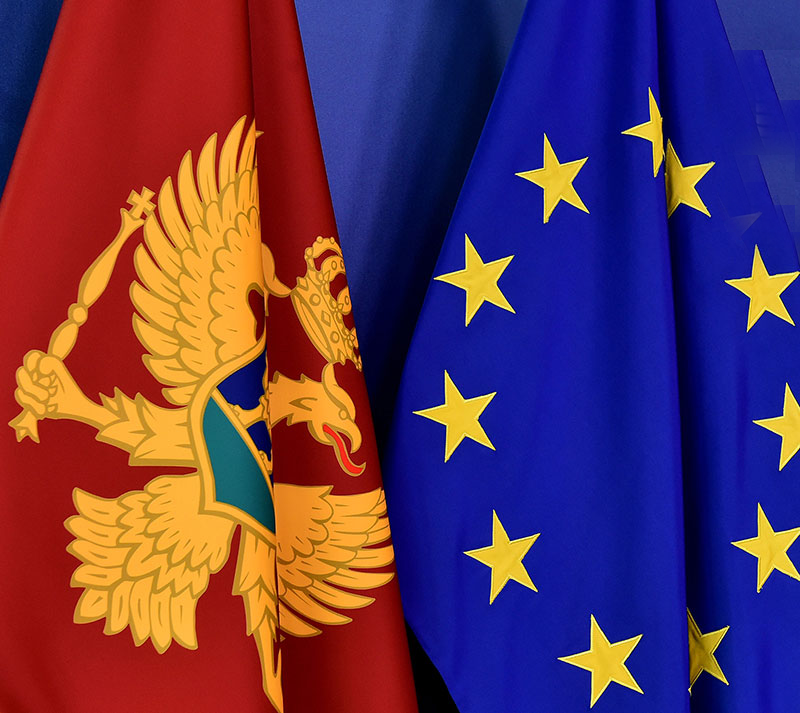
Montenegro is currently navigating a critical phase in its European Union accession process, where genuine political will is assessed rather than mere formal progress. According to Edvard P. Joseph, an American expert on the Balkans and senior fellow at Johns Hopkins University, the country stands at a historical juncture to become the EU’s 28th member. Yet, internal divisions and political maneuvering threaten to undermine this opportunity.
Joseph highlights the duality of Montenegro’s situation. On one side, the country has garnered significant support from Brussels and other European capitals, especially following the recent EU-Western Balkans summit. The closure of five negotiation chapters this year has been recognized as a substantial achievement. Marta Kos, the EU Commissioner for Enlargement, described Montenegro as a “leader” in the accession process, while the European Parliament has shown strong backing through a critical resolution. Geopolitically, the EU has finally acknowledged the importance of advancing its presence in the Balkans, largely prompted by Russia’s actions. The next EU-Western Balkans summit is set to take place in Montenegro in June 2024.
Despite the positive international outlook, Joseph notes troubling signs of division within the country’s political landscape. All major political figures, including President Jakov Milatović and former President Milo Đukanović, publicly support the ambitious goal of EU membership by 2028. However, the underlying tensions suggest a lack of political unity, which Joseph asserts is essential for achieving EU goals. The European Commission’s progress report reflects this cautious tone, emphasizing the need for national cohesion.
As Montenegro approaches potential EU membership, the stakes are higher, and scrutiny intensifies. Political reforms, particularly in the rule of law and anti-corruption, require genuine commitment rather than superficial compliance. Joseph warns that the current trend of internal strife could sabotage the European path, as seen in the troubling rise of nationalist sentiments and actions that contradict EU values.
Joseph points to the visible benefits of EU membership in neighboring Croatia, where significant funding has bolstered infrastructure, tourism, and investment, resulting in a substantial decrease in unemployment. He questions why some factions in Montenegro would choose to honor controversial figures from World War II rather than focusing on the clear advantages of EU integration.
Recognizing Russia’s influence in the region, Joseph emphasizes that Montenegro’s NATO membership serves as a robust barrier against external pressures. The 2017 accession marked a pivotal shift, cementing Montenegro’s place within the Western sphere. Ongoing narratives from Belgrade, bolstered by the Serbian Orthodox Church, contribute to internal divisions. Joseph encourages analysts to document this influence through thorough research.
He asserts that external meddling exacerbates Montenegro’s internal political dynamics. The prevalent negative narratives from Serbia pose a significant challenge, proliferating through both formal and informal channels. Political cohesion around Euro-Atlantic values is crucial. Joseph underscored the importance of unity, a sentiment echoed by Commissioner Kos, who stated that national unity is key to achieving EU accession.
As for Serbia’s stance, Joseph notes that its reluctance to accept Montenegro’s EU membership reflects a broader ideological concern. He argues that if Montenegro joins the EU ahead of Serbia, it would challenge the narrative of Serbian nationalism and could provoke uncomfortable questions about Serbia’s own progress. The lingering animosity from Serbia regarding Montenegro’s EU aspirations illustrates the complex geopolitical landscape of the Balkans.
Looking ahead, Joseph believes that Montenegro could play a more significant role within NATO, enhancing its strategic positioning. He emphasizes the need for visible support to bolster both NATO’s presence and Montenegro’s commitment to Euro-Atlantic values. The ongoing delays in military cooperation with NATO, particularly in response to the conflict in Ukraine, send a concerning signal.
In a broader context, Joseph calls for renewed American engagement in the Balkans. He argues that the potential for NATO membership could fundamentally shift Serbia’s trajectory and provide a psychological blow to Russian influence in the region. Establishing a clear pathway to NATO for Kosovo could further destabilize the delicate balance Serbia maintains.
Joseph warns of the backward slide experienced in the Balkans following Russia’s invasion of Ukraine. He highlights recent conflicts, such as the operation in northern Kosovo and the political turmoil in Bosnia and Herzegovina, as indicators of this regression. He attributes part of this stagnation to a failure by U.S. officials to seize the moment and realign their strategy towards Serbia and the region.
As the political landscape continues to evolve, Joseph stresses the importance of accountability among Montenegro’s citizens. He encourages the electorate to demand responsibility from their leaders, particularly regarding EU integration. He emphasizes that citizens must recognize the genuine opportunity for a better future and hold their political elite accountable for their actions and commitments.
Ultimately, Joseph’s insight into Montenegro’s EU accession process serves as a reminder of the delicate interplay between internal unity and external influence, highlighting the need for a collective commitment to a prosperous and democratic future.











Belfast Gears Up for Vibrant St Patrick’s Day Parade on March 17

Cuba Faces Nationwide Blackout Amid Deepening Energy Crisis

Wirral Council to Restructure Leadership, Cutting Two Top Roles

Rethinking Resistance Training: Key Insights from US Experts

EU Membership on the Horizon: What It Means for Citizens

Ukrainian Drone Swarms Strike Moscow Region for Second Day

Henley Launches Innovative Initiative to Boost Local Economy

Court Ruling Allows Pandemic Tax Refund Claims Until 2026

Sean Penn’s Absence at 2026 Oscars Sparks Discussion

Coronation Street’s Shocking Murder Twist Reveals Family Secrets

Andrew Pierce Confirms Departure from ITV’s Good Morning Britain

Katie Price Faces New Health Concerns After Cancer Symptoms Resurface

Gyles Brandreth Shares Grandson’s Cancer Battle and Recovery

Sue Radford Reveals Weight Loss Journey, Shedding 12–13 kg

Kate Garraway Sells £2 Million Home Amid Financial Struggles

Jordan Brook Faces Health Crisis in Hospital as Sophie Kasaei Stays Away

EastEnders’ Nicola Mitchell Faces Unexpected Pregnancy Crisis

Mother Charged After Son, 9, Killed in Tragic Incident in Italy
-
 World7 months ago
Coronation Street’s Shocking Murder Twist Reveals Family Secrets
-
 Entertainment7 months ago
Andrew Pierce Confirms Departure from ITV’s Good Morning Britain
-
 Health10 months ago
Katie Price Faces New Health Concerns After Cancer Symptoms Resurface
-
 Health5 months ago
Gyles Brandreth Shares Grandson’s Cancer Battle and Recovery
-
 Health6 months ago
Sue Radford Reveals Weight Loss Journey, Shedding 12–13 kg
-
 Entertainment12 months ago
Kate Garraway Sells £2 Million Home Amid Financial Struggles
-
 Entertainment4 months ago
Jordan Brook Faces Health Crisis in Hospital as Sophie Kasaei Stays Away
-
 World8 months ago
EastEnders’ Nicola Mitchell Faces Unexpected Pregnancy Crisis
-
 World8 months ago
Mother Charged After Son, 9, Killed in Tragic Incident in Italy
-

 Entertainment11 months ago
Ann Ming Reflects on ITV’s ‘I Fought the Law’ Drama
-

 World8 months ago
Bailey Announces Heartbreaking Split from Rebecca After Reunion
-

 Entertainment5 months ago
Selena Gomez’s Name Linked to Epstein: Examining the Claims