
Health
Discover the Walking Trends Shaping Fitness in 2026

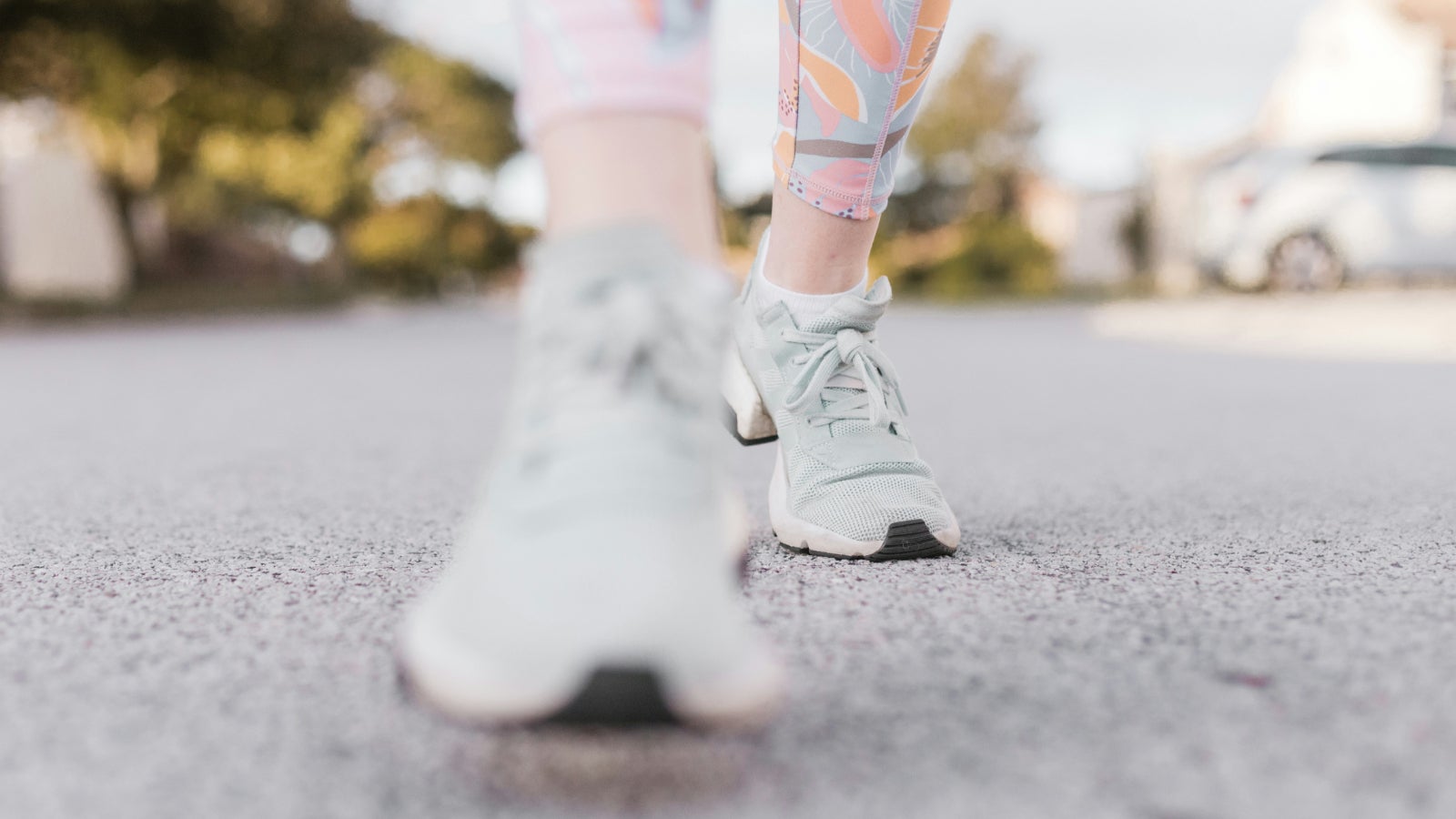
The year 2025 saw a surge in innovative walking trends, with enthusiasts exploring various methods to enhance their fitness routines. After trying ten different styles, only three have stood out as sustainable practices heading into 2026. These include Japanese walking, retro walking, and a more relaxed approach to walking dubbed meditative walking.
The Science Behind Japanese Walking
Initially met with skepticism, Japanese walking has proven its worth through research linking it to improved cardiovascular health. This method involves alternating between fast and slow walking intervals, significantly enhancing aerobic capacity while reducing overall daily walking time. For example, engaging in this technique can condense a daily routine into just half an hour.
According to Dr. Suzanne Wylie, a GP specializing in physical health, any form of consistent, moderate-intensity walking can enhance both cardiovascular and mental health. She noted, “From a clinical perspective, any form of consistent, moderate-intensity walking, especially if it incorporates posture, breathing, or mindfulness as Japanese walking sometimes does, can further enhance cardiovascular and mental health.” Beyond the health benefits, many find this method satisfying and invigorating, giving it a lasting place in their fitness regimens.
Backward Motion: The Benefits of Retro Walking
Retro walking, the practice of walking backwards, has emerged as an unexpectedly popular choice. Initially, the idea may seem daunting, but transitioning to a treadmill can alleviate some of the initial embarrassment. Research indicates that this unique method offers various benefits, including improved balance and reduced knee discomfort.
Dr. Wylie explained, “When you walk backwards, your movement pattern changes completely: you use different muscle groups and place different loads through your joints.” This shift not only engages the quadriceps more effectively but also reduces stress on the kneecap compared to traditional walking. For those dealing with knee issues, retro walking has become a valuable exercise option.
Embracing a Relaxed Approach to Walking
While the first two trends focus on structured methods, the third, meditative walking, encourages a more relaxed attitude towards this simple activity. Injuries earlier in the year prompted the realization that walking does not always have to be about speed or precision. Joy Puleo, a pilates expert and director of education at Balanced Body, emphasized the importance of enjoying the process: “Walking has been associated with breath regulation, decreased anxiety, decreased depression, and increased overall sense of well-being.”
This approach has transformed how many view their walking routines. Rather than worrying about fitting in a perfect workout, individuals can appreciate the mental health benefits of simply being outside, moving at their own pace. As more people adopt this mindset, it showcases the evolving nature of fitness culture.
As we transition into 2026, these three walking trends—Japanese walking, retro walking, and meditative walking—highlight a blend of physical and mental health benefits. By embracing these methods, individuals can enhance their fitness experiences while enjoying the journey of walking, regardless of pace or style.

Belfast Gears Up for Vibrant St Patrick’s Day Parade on March 17

Cuba Faces Nationwide Blackout Amid Deepening Energy Crisis

Wirral Council to Restructure Leadership, Cutting Two Top Roles

Rethinking Resistance Training: Key Insights from US Experts

EU Membership on the Horizon: What It Means for Citizens

Ukrainian Drone Swarms Strike Moscow Region for Second Day

Henley Launches Innovative Initiative to Boost Local Economy

Court Ruling Allows Pandemic Tax Refund Claims Until 2026

Sean Penn’s Absence at 2026 Oscars Sparks Discussion

Coronation Street’s Shocking Murder Twist Reveals Family Secrets

Andrew Pierce Confirms Departure from ITV’s Good Morning Britain

Katie Price Faces New Health Concerns After Cancer Symptoms Resurface

Gyles Brandreth Shares Grandson’s Cancer Battle and Recovery

Sue Radford Reveals Weight Loss Journey, Shedding 12–13 kg

Kate Garraway Sells £2 Million Home Amid Financial Struggles

Jordan Brook Faces Health Crisis in Hospital as Sophie Kasaei Stays Away

EastEnders’ Nicola Mitchell Faces Unexpected Pregnancy Crisis

Mother Charged After Son, 9, Killed in Tragic Incident in Italy
-
 World7 months ago
Coronation Street’s Shocking Murder Twist Reveals Family Secrets
-
 Entertainment7 months ago
Andrew Pierce Confirms Departure from ITV’s Good Morning Britain
-
 Health10 months ago
Katie Price Faces New Health Concerns After Cancer Symptoms Resurface
-
 Health5 months ago
Gyles Brandreth Shares Grandson’s Cancer Battle and Recovery
-
 Health6 months ago
Sue Radford Reveals Weight Loss Journey, Shedding 12–13 kg
-
 Entertainment11 months ago
Kate Garraway Sells £2 Million Home Amid Financial Struggles
-
 Entertainment4 months ago
Jordan Brook Faces Health Crisis in Hospital as Sophie Kasaei Stays Away
-
 World8 months ago
EastEnders’ Nicola Mitchell Faces Unexpected Pregnancy Crisis
-
 World8 months ago
Mother Charged After Son, 9, Killed in Tragic Incident in Italy
-

 Entertainment10 months ago
Ann Ming Reflects on ITV’s ‘I Fought the Law’ Drama
-

 World8 months ago
Bailey Announces Heartbreaking Split from Rebecca After Reunion
-

 Entertainment5 months ago
Selena Gomez’s Name Linked to Epstein: Examining the Claims