
World
Russia Increases Taxes as Economy Struggles Under War Pressures

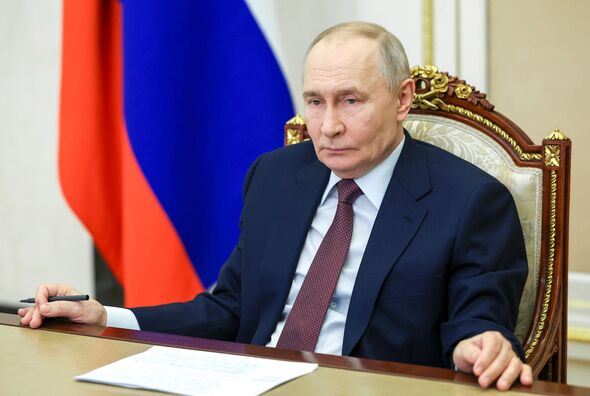
As Russia grapples with a faltering economy during ongoing military conflicts, President Vladimir Putin has mandated a substantial increase in tax collection and compliance. This directive follows a meeting of the Council for Strategic Development and National Projects held in early December, during which the Kremlin outlined plans to bolster its wartime economy.
Starting on January 1, 2025, the Value Added Tax (VAT) increased from 20% to 22%. This adjustment is anticipated to generate approximately 1 trillion rubles (around £9.1 billion) in additional tax revenues. The funds are intended to support heightened military spending and bridge significant budget deficits while maintaining a 10% reduced rate on essential items such as food and medication.
This tax overhaul also involves lowering revenue thresholds for simplified tax regimes, effectively shifting more financial responsibility onto consumers and businesses to cover war-related expenses. Bloomberg reported that, in addition to the VAT increase, Russia plans to introduce a new tax on electronics in September 2025. This tax will initially target imported finished goods like smartphones and laptops, with the goal of enhancing domestic electronics manufacturing and fostering technological independence.
The push for increased tax revenue comes at a time when Russia’s economic growth has nearly stagnated. Although the country initially appeared resilient against Western sanctions, buoyed by substantial state spending, that momentum has dissipated. In the third quarter of 2025, the country’s GDP grew by only 0.6%, a decline from 1.4% at the year’s start. By November 2025, year-over-year growth had dropped to a mere 0.1%. Industrial output also contracted by 0.7%, suggesting that the surge in military manufacturing is insufficient to counteract broader economic challenges.
Russia’s energy sector, crucial for its economic stability, is under increasing strain. Oil prices have plummeted by approximately 20% in 2025 due to a combination of high global supply and diminishing demand. Coupled with persistent inflation rates hitting 9.5% in 2024, the Russian government is striving to reduce inflation to a target range of 4–5% by the end of 2026.
According to Business Insider, many Russians now anticipate that the ongoing war will conclude in 2026, driven largely by the evident economic slowdown and escalating pressures on household finances. Additionally, the United States’ initiatives to revitalize oil production in Venezuela pose a further threat to Russia’s oil market dominance, potentially exacerbating the decline in global oil prices.
In summary, as Russia faces mounting economic difficulties, the government’s efforts to increase tax revenue reflect a response to the dual pressures of war expenditures and a contracting economy. The effectiveness of these measures remains to be seen as the country navigates a challenging financial landscape.












Belfast Gears Up for Vibrant St Patrick’s Day Parade on March 17

Cuba Faces Nationwide Blackout Amid Deepening Energy Crisis

Wirral Council to Restructure Leadership, Cutting Two Top Roles

Rethinking Resistance Training: Key Insights from US Experts

EU Membership on the Horizon: What It Means for Citizens

Ukrainian Drone Swarms Strike Moscow Region for Second Day

Henley Launches Innovative Initiative to Boost Local Economy

Court Ruling Allows Pandemic Tax Refund Claims Until 2026

Sean Penn’s Absence at 2026 Oscars Sparks Discussion

Coronation Street’s Shocking Murder Twist Reveals Family Secrets

Andrew Pierce Confirms Departure from ITV’s Good Morning Britain

Katie Price Faces New Health Concerns After Cancer Symptoms Resurface

Gyles Brandreth Shares Grandson’s Cancer Battle and Recovery

Sue Radford Reveals Weight Loss Journey, Shedding 12–13 kg

Kate Garraway Sells £2 Million Home Amid Financial Struggles

Jordan Brook Faces Health Crisis in Hospital as Sophie Kasaei Stays Away

EastEnders’ Nicola Mitchell Faces Unexpected Pregnancy Crisis

Reddit Study Reveals Distinctions Between Lurkers and Power Users
-
 World8 months ago
Coronation Street’s Shocking Murder Twist Reveals Family Secrets
-
 Entertainment8 months ago
Andrew Pierce Confirms Departure from ITV’s Good Morning Britain
-
 Health12 months ago
Katie Price Faces New Health Concerns After Cancer Symptoms Resurface
-
 Health7 months ago
Gyles Brandreth Shares Grandson’s Cancer Battle and Recovery
-
 Health7 months ago
Sue Radford Reveals Weight Loss Journey, Shedding 12–13 kg
-
 Entertainment1 year ago
Kate Garraway Sells £2 Million Home Amid Financial Struggles
-
 Entertainment5 months ago
Jordan Brook Faces Health Crisis in Hospital as Sophie Kasaei Stays Away
-
 World9 months ago
EastEnders’ Nicola Mitchell Faces Unexpected Pregnancy Crisis
-
 Science8 months ago
Reddit Study Reveals Distinctions Between Lurkers and Power Users
-

 World9 months ago
Mother Charged After Son, 9, Killed in Tragic Incident in Italy
-

 Entertainment12 months ago
Ann Ming Reflects on ITV’s ‘I Fought the Law’ Drama
-

 World9 months ago
Bailey Announces Heartbreaking Split from Rebecca After Reunion