
World
Nutritionist Reveals Snacking Secrets for Better Health Outcomes

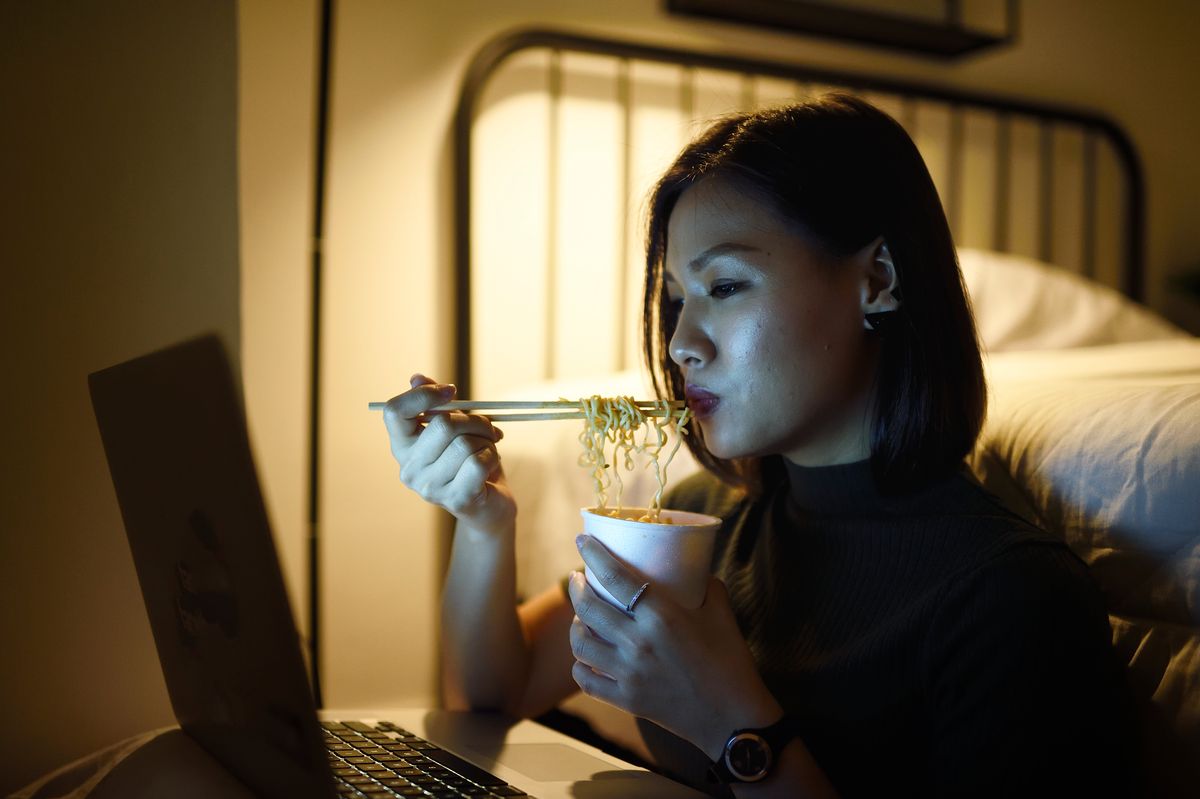
Dr. Sarah Berry, chief scientist at Zoe, has challenged the long-held belief that snacking is detrimental to health. Her research, which analyzed the eating habits of over 1,000 individuals, highlights that the timing of snacks significantly influences health outcomes.
The study indicates that snacking after 9 PM is linked to adverse health effects, including elevated blood pressure, reduced insulin sensitivity, and increased blood cholesterol levels. “What was really interesting was that we found the time of day that you snack matters,” Dr. Berry stated. “If you snack after 9 PM, we found that was associated with higher blood pressure, poorer insulin sensitivity, and higher blood cholesterol. That was regardless of the quality of the snack.”
Dr. Berry’s findings, initially reported by Surrey Live, suggest that individuals may not fully appreciate the impact of their snacking habits. The research demonstrates that while the act of snacking itself is not inherently harmful, the timing and choice of snacks can significantly affect health.
Timing and Choices Matter
The research also revealed nuances regarding the types of snacks consumed. Dr. Berry clarified, “The act of snacking – that is, eating between main meals – was not the problem. It was the choice of snacks.” She emphasized that opting for healthy snacks when feeling hungry between meals will not negatively impact health.
The implications of high cholesterol are particularly concerning. Often referred to as a “silent killer,” high cholesterol typically shows no symptoms but can lead to serious medical conditions like heart attacks and strokes. This condition arises when there is an excess of cholesterol, a fatty substance, in the bloodstream, potentially leading to blocked blood vessels.
Preventive Measures and Lifestyle Choices
High cholesterol can stem from various factors, including a diet high in fatty foods, a sedentary lifestyle, obesity, smoking, and alcohol consumption. Genetics also plays a role, as high cholesterol can be hereditary. Fortunately, this condition can often be managed through lifestyle changes and medication.
Dr. Berry’s research underscores the importance of healthy snacking habits and the avoidance of late-night snacks as a means to support better health. By making conscious choices and being mindful of when they eat, individuals can enjoy snacks without detrimental effects on their well-being. This approach not only encourages guilt-free enjoyment but also fosters a healthier lifestyle.

Belfast Gears Up for Vibrant St Patrick’s Day Parade on March 17

Cuba Faces Nationwide Blackout Amid Deepening Energy Crisis

Wirral Council to Restructure Leadership, Cutting Two Top Roles

Rethinking Resistance Training: Key Insights from US Experts

EU Membership on the Horizon: What It Means for Citizens

Ukrainian Drone Swarms Strike Moscow Region for Second Day

Henley Launches Innovative Initiative to Boost Local Economy

Court Ruling Allows Pandemic Tax Refund Claims Until 2026

Sean Penn’s Absence at 2026 Oscars Sparks Discussion

Coronation Street’s Shocking Murder Twist Reveals Family Secrets

Andrew Pierce Confirms Departure from ITV’s Good Morning Britain

Katie Price Faces New Health Concerns After Cancer Symptoms Resurface

Gyles Brandreth Shares Grandson’s Cancer Battle and Recovery

Sue Radford Reveals Weight Loss Journey, Shedding 12–13 kg

Kate Garraway Sells £2 Million Home Amid Financial Struggles

Jordan Brook Faces Health Crisis in Hospital as Sophie Kasaei Stays Away

EastEnders’ Nicola Mitchell Faces Unexpected Pregnancy Crisis

Reddit Study Reveals Distinctions Between Lurkers and Power Users
-
 World8 months ago
Coronation Street’s Shocking Murder Twist Reveals Family Secrets
-
 Entertainment8 months ago
Andrew Pierce Confirms Departure from ITV’s Good Morning Britain
-
 Health11 months ago
Katie Price Faces New Health Concerns After Cancer Symptoms Resurface
-
 Health6 months ago
Gyles Brandreth Shares Grandson’s Cancer Battle and Recovery
-
 Health6 months ago
Sue Radford Reveals Weight Loss Journey, Shedding 12–13 kg
-
 Entertainment1 year ago
Kate Garraway Sells £2 Million Home Amid Financial Struggles
-
 Entertainment5 months ago
Jordan Brook Faces Health Crisis in Hospital as Sophie Kasaei Stays Away
-
 World9 months ago
EastEnders’ Nicola Mitchell Faces Unexpected Pregnancy Crisis
-
 Science8 months ago
Reddit Study Reveals Distinctions Between Lurkers and Power Users
-

 World9 months ago
Mother Charged After Son, 9, Killed in Tragic Incident in Italy
-

 Entertainment11 months ago
Ann Ming Reflects on ITV’s ‘I Fought the Law’ Drama
-

 World9 months ago
Bailey Announces Heartbreaking Split from Rebecca After Reunion