
World
Notorious Soviet Cannibal “Iron Fang” Breaks Silence After 35 Years

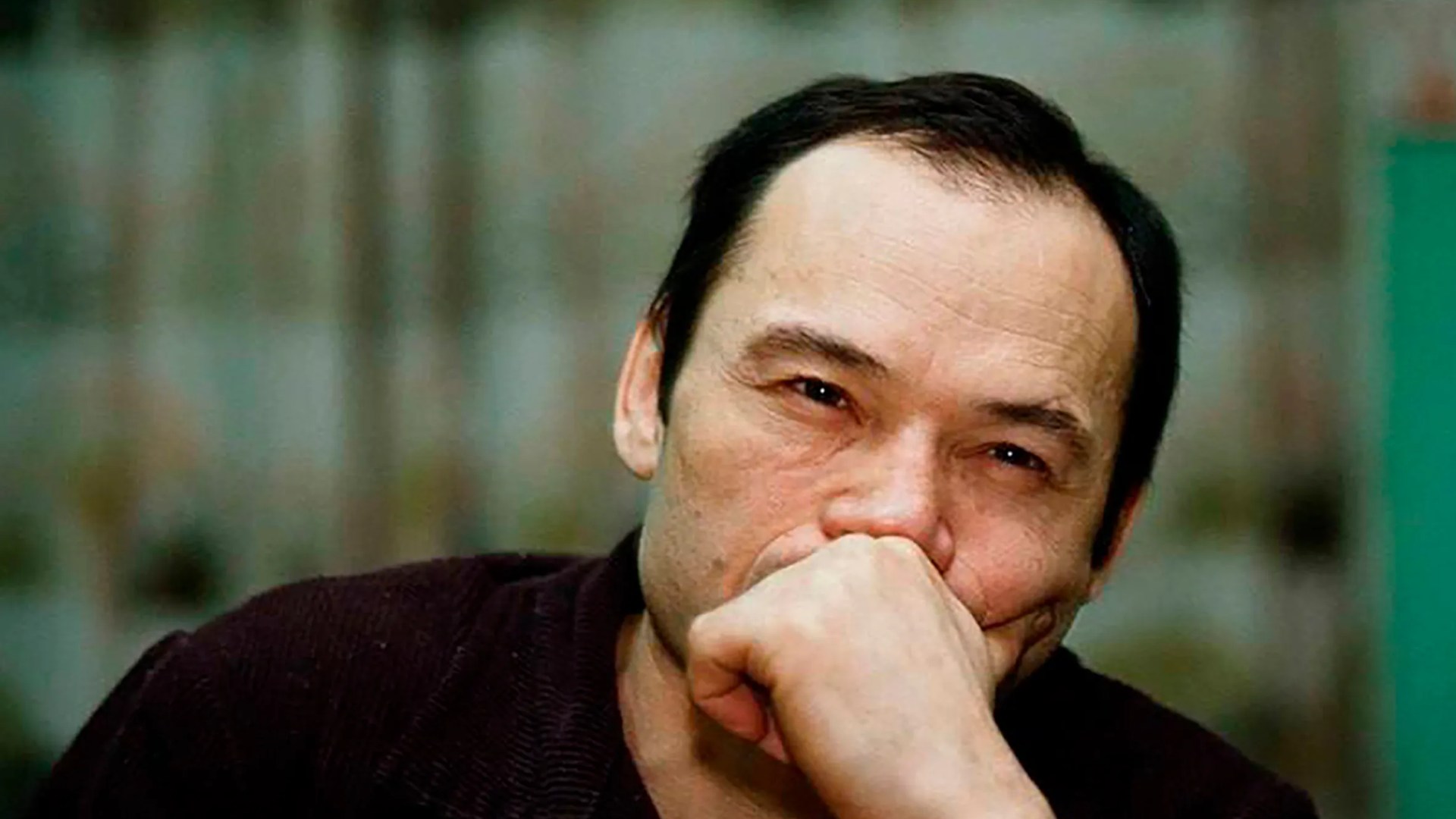
Nikolai Dzhumagaliev, the infamous Soviet cannibal killer known as “Iron Fang,” has spoken publicly for the first time in over 35 years. Dzhumagaliev, currently 73 years old, has been held in a high-security psychiatric hospital in Kazakhstan since his recapture in 1991. He is believed to be responsible for the murders of at least ten people, primarily women and girls, starting in 1979.
After a significant period of silence due to his mental health issues, Dzhumagaliev has now begun to communicate with his family. Medical professionals reported that his condition has improved following new treatment, allowing him to regain lucidity and converse normally. For the first time in decades, he is permitted to speak with his niece twice a month, according to the Russian media outlet SHOT.
Background of a Notorious Criminal
Dzhumagaliev earned the moniker “Iron Fang” due to metal crowns on his teeth. His violent crimes, which emerged during the Soviet era, have left a lasting impact on society. Investigators and forensic psychiatrists have characterized him as a calculated and misogynistic serial killer, deliberately targeting women.
Following the brutal deaths of his victims, Dzhumagaliev reportedly consumed their flesh, employing various cooking methods, including boiling and frying. He even admitted to serving “human remains to guests.” Among his known victims were a mother and her daughter, further highlighting the gruesomeness of his actions.
The killer’s motivations are rooted in complex psychological factors. Diagnosed with schizophrenia, Dzhumagaliev developed a profound animosity toward women, stemming from a sexually transmitted infection that led him to view them as “impure.” He claimed to be enacting revenge against women while also attempting to understand their bodies through extreme violence.
A Disturbing Legacy
Dzhumagaliev’s delusions escalated to the point where he began to associate murder with ritual sacrifice. He believed that drinking the blood of his victims would bestow him with supernatural powers. Furthermore, he would time his killings to coincide with emotionally significant dates, as documented by Soviet experts.
Despite his heinous acts, Dzhumagaliev was found not criminally responsible for his actions due to his mental illness and was consequently sentenced to psychiatric confinement instead of prison. Profilers noted that his motivations were fueled by fantasies of male dominance, ritualism, and sexual resentment, rendering women both his sole targets and the focus of his delusions.
His reign of terror continued for 18 months after he escaped police custody in 1989. He was ultimately recaptured in 1991 in Uzbekistan, where chilling footage revealed him nonchalantly speaking with police while he was being arrested for stealing sheep. “I’m already in hospital, in Tashkent,” he told officers, adding, “I’ve fully come to terms with my past.”
In 2016, there were unfounded reports of another escape, which further stirred public concern. However, these claims were proven to be false.
As Dzhumagaliev begins to communicate once again, his case remains a chilling reminder of the dark legacies of past criminal acts and the complexities of mental health in the context of violent crime.













Belfast Gears Up for Vibrant St Patrick’s Day Parade on March 17

Cuba Faces Nationwide Blackout Amid Deepening Energy Crisis

Wirral Council to Restructure Leadership, Cutting Two Top Roles

Rethinking Resistance Training: Key Insights from US Experts

EU Membership on the Horizon: What It Means for Citizens

Ukrainian Drone Swarms Strike Moscow Region for Second Day

Henley Launches Innovative Initiative to Boost Local Economy

Court Ruling Allows Pandemic Tax Refund Claims Until 2026

Sean Penn’s Absence at 2026 Oscars Sparks Discussion

Coronation Street’s Shocking Murder Twist Reveals Family Secrets

Andrew Pierce Confirms Departure from ITV’s Good Morning Britain

Katie Price Faces New Health Concerns After Cancer Symptoms Resurface

Gyles Brandreth Shares Grandson’s Cancer Battle and Recovery

Sue Radford Reveals Weight Loss Journey, Shedding 12–13 kg

Kate Garraway Sells £2 Million Home Amid Financial Struggles

Jordan Brook Faces Health Crisis in Hospital as Sophie Kasaei Stays Away

EastEnders’ Nicola Mitchell Faces Unexpected Pregnancy Crisis

Reddit Study Reveals Distinctions Between Lurkers and Power Users
-
 World8 months ago
Coronation Street’s Shocking Murder Twist Reveals Family Secrets
-
 Entertainment8 months ago
Andrew Pierce Confirms Departure from ITV’s Good Morning Britain
-
 Health12 months ago
Katie Price Faces New Health Concerns After Cancer Symptoms Resurface
-
 Health7 months ago
Gyles Brandreth Shares Grandson’s Cancer Battle and Recovery
-
 Health7 months ago
Sue Radford Reveals Weight Loss Journey, Shedding 12–13 kg
-
 Entertainment1 year ago
Kate Garraway Sells £2 Million Home Amid Financial Struggles
-
 Entertainment5 months ago
Jordan Brook Faces Health Crisis in Hospital as Sophie Kasaei Stays Away
-
 World10 months ago
EastEnders’ Nicola Mitchell Faces Unexpected Pregnancy Crisis
-
 Science8 months ago
Reddit Study Reveals Distinctions Between Lurkers and Power Users
-

 World9 months ago
Mother Charged After Son, 9, Killed in Tragic Incident in Italy
-

 Entertainment12 months ago
Ann Ming Reflects on ITV’s ‘I Fought the Law’ Drama
-

 World9 months ago
Bailey Announces Heartbreaking Split from Rebecca After Reunion