
World
Former Iranian President Mahmoud Ahmadinejad Killed in Strikes

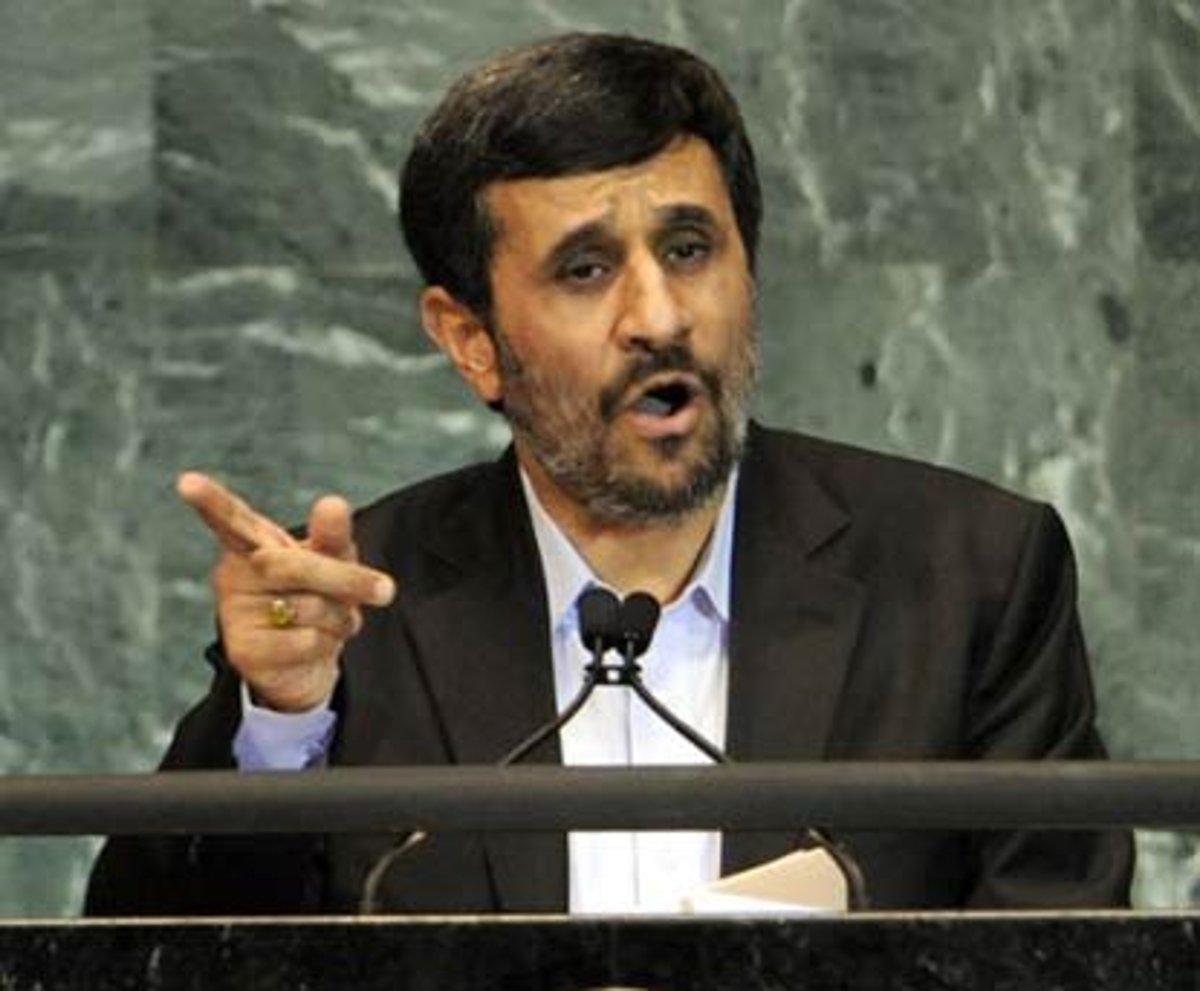
Former Iranian president Mahmoud Ahmadinejad has reportedly been killed in airstrikes conducted by the United States and Israel. The strikes targeted his residence, resulting in Ahmadinejad’s death alongside his bodyguards. This incident, which occurred on March 17, 2024, marks a significant escalation in tensions between Iran and these nations.
Ahmadinejad, who served as president from 2005 to 2013, was a prominent critic of Israel and a controversial figure within Iranian politics. Throughout his presidency, he was known for his denial of the Holocaust and for making inflammatory statements about the future of Israel. His leadership was characterized by a strong focus on Iran’s nuclear program and a confrontational approach towards the West.
According to Iranian state media, Ahmadinejad “was killed along with his bodyguards in a missile attack by the Zionist regime and the United States.” His death follows an earlier airstrike that targeted the compound of Iran’s Supreme Leader, Ayatollah Ali Khamenei, making Ahmadinejad the second high-profile Iranian official to be killed in this ongoing military campaign.
The situation has prompted reactions from various international leaders. Former US president Donald Trump issued a warning on his social media platform, stating that the United States would respond with “a force that has never been seen before” if Iran retaliates. He noted that Iran had indicated it would respond “harder than they have ever been hit before.”
In the wake of these developments, explosions were reported across several Gulf states as Iran threatened to initiate its “most intense operation” yet. Following the strikes, Sir Keir Starmer, leader of the UK Labour Party, expressed “solidarity” with Middle Eastern leaders in addressing what he referred to as “dangerous Iranian escalation.”
The UK government has been actively engaging with regional leaders. On Sunday, the Prime Minister spoke with the King of Jordan, the King of Bahrain, and the Crown Prince of Kuwait, emphasizing the importance of regional stability as military actions persist.
The ongoing conflict has raised concerns about the potential for broader regional instability. The international community is closely monitoring the situation, as the implications of these strikes could extend far beyond the immediate aftermath. With Iran vowing to retaliate, the dynamics in the Middle East remain precarious, with the potential for further escalations in violence.
As developments unfold, the global community awaits responses from Iranian leadership and the potential consequences of this significant military action.








Belfast Gears Up for Vibrant St Patrick’s Day Parade on March 17

Cuba Faces Nationwide Blackout Amid Deepening Energy Crisis

Wirral Council to Restructure Leadership, Cutting Two Top Roles

Rethinking Resistance Training: Key Insights from US Experts

EU Membership on the Horizon: What It Means for Citizens

Ukrainian Drone Swarms Strike Moscow Region for Second Day

Henley Launches Innovative Initiative to Boost Local Economy

Court Ruling Allows Pandemic Tax Refund Claims Until 2026

Sean Penn’s Absence at 2026 Oscars Sparks Discussion

Coronation Street’s Shocking Murder Twist Reveals Family Secrets

Andrew Pierce Confirms Departure from ITV’s Good Morning Britain

Katie Price Faces New Health Concerns After Cancer Symptoms Resurface

Sue Radford Reveals Weight Loss Journey, Shedding 12–13 kg

Kate Garraway Sells £2 Million Home Amid Financial Struggles

Jordan Brook Faces Health Crisis in Hospital as Sophie Kasaei Stays Away

EastEnders’ Nicola Mitchell Faces Unexpected Pregnancy Crisis

Bailey Announces Heartbreaking Split from Rebecca After Reunion

Ann Ming Reflects on ITV’s ‘I Fought the Law’ Drama
-
 World4 months ago
Coronation Street’s Shocking Murder Twist Reveals Family Secrets
-
 Entertainment4 months ago
Andrew Pierce Confirms Departure from ITV’s Good Morning Britain
-
 Health7 months ago
Katie Price Faces New Health Concerns After Cancer Symptoms Resurface
-
 Health2 months ago
Sue Radford Reveals Weight Loss Journey, Shedding 12–13 kg
-
 Entertainment8 months ago
Kate Garraway Sells £2 Million Home Amid Financial Struggles
-
 Entertainment3 weeks ago
Jordan Brook Faces Health Crisis in Hospital as Sophie Kasaei Stays Away
-
 World5 months ago
EastEnders’ Nicola Mitchell Faces Unexpected Pregnancy Crisis
-
 World5 months ago
Bailey Announces Heartbreaking Split from Rebecca After Reunion
-
 Entertainment7 months ago
Ann Ming Reflects on ITV’s ‘I Fought the Law’ Drama
-

 Entertainment2 months ago
Selena Gomez’s Name Linked to Epstein: Examining the Claims
-

 Health7 months ago
TOWIE Stars Sophie Kasaei and Jordan Brook Pursue Fertility Treatment
-

 Health7 months ago
Fiona Phillips’ Husband Shares Heartbreaking Update on Her Health