
Top Stories
Wealth Inequality Surges as Millionaires Call for Change

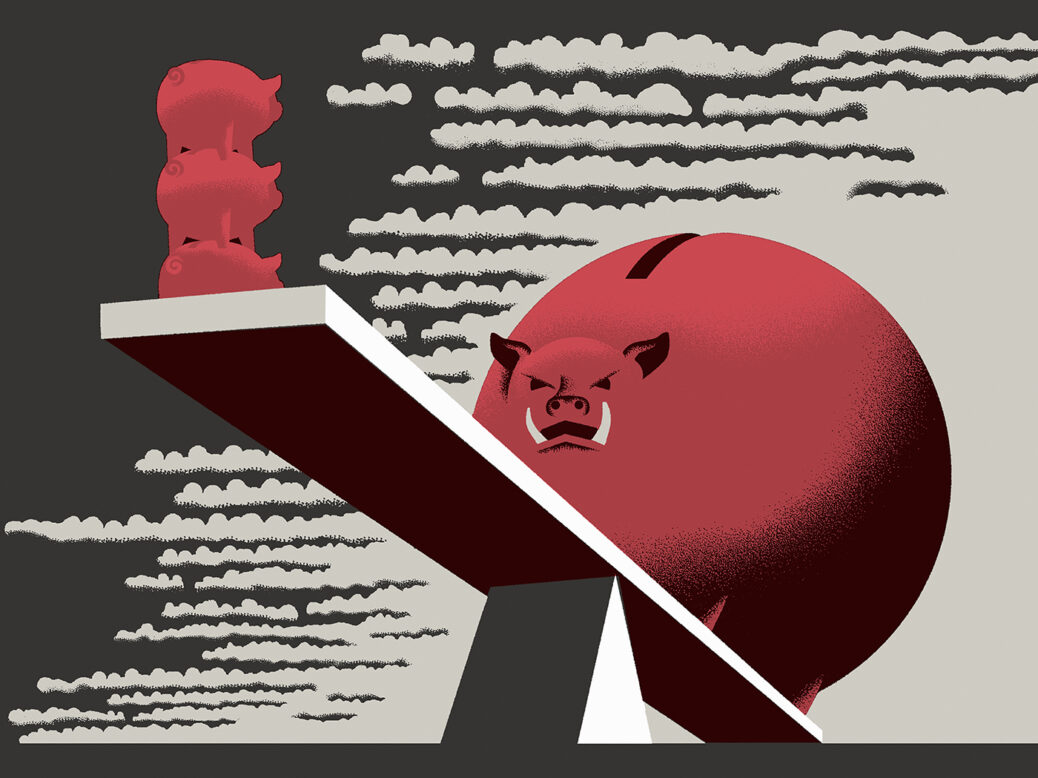
Recent research has spotlighted a troubling rise in wealth inequality, with billionaires amassing over 80 percent more wealth since 2020. This surge occurs alongside a stark reality for millions, as one in four people globally do not have regular access to sufficient food, and nearly half of the world’s population lives in poverty. These alarming statistics, highlighted by Oxfam and the World Inequality Report, underscore a growing divide between the ultra-wealthy and the majority of society.
The report reveals that just 0.001 percent of the global population, approximately 80,000 individuals, controls three times the wealth of the poorest half of humanity, which amounts to around 4 billion people. In nearly every region, the wealthiest 1 percent possesses more wealth than the bottom 90 percent combined. This concentration of wealth raises critical questions about political power and societal stability, as a small fraction of individuals increasingly influences decision-making processes that affect the broader population.
This situation has led some affluent individuals, including members of the group known as Patriotic Millionaires, to advocate for significant change. They argue that extreme wealth threatens democratic values and exacerbates social inequalities. A recent survey conducted by Survation, commissioned by Patriotic Millionaires, found that 77 percent of millionaires in G20 countries believe that extremely wealthy individuals buy political influence. Nearly 75 percent recognize the threats posed to democracy by such extreme wealth.
The implications of this wealth concentration extend beyond economics; they impact social cohesion and trust within communities. Individuals like Donald Trump, a billionaire who has held political office, exemplify how wealth can translate into power, often at the expense of democratic norms. Observers note that the political landscape has become increasingly fragmented, with wealth acting as a catalyst for societal division rather than unity.
To address these challenges, advocates propose a robust taxation framework targeting the ultra-rich. They argue that redirecting some of this wealth can help mitigate the negative effects of inequality. While increasing taxes on the wealthy is not a comprehensive solution, proponents assert that it is a necessary starting point for rebuilding a fairer society. They emphasize that wealth should not merely serve as a tool for control by a privileged few but rather be harnessed for the collective good, providing essential services such as healthcare, education, and housing.
The past five decades have demonstrated the consequences of unregulated wealth accumulation: soaring inequality and the erosion of societal foundations. Activists stress that a more equitable approach to wealth distribution is essential for fostering a healthier society. They call for a shift in priorities, advocating for policies that ensure everyone has access to basic needs and opportunities for advancement.
As conversations around wealth inequality continue to evolve, the message from millionaires advocating for change is clear: it is time to reclaim democracy and address the pressing issues stemming from concentrated wealth. By implementing fair taxation policies and promoting responsible wealth management, society can work towards a future that benefits everyone, not just the affluent few.



Belfast Gears Up for Vibrant St Patrick’s Day Parade on March 17

Cuba Faces Nationwide Blackout Amid Deepening Energy Crisis

Wirral Council to Restructure Leadership, Cutting Two Top Roles

Rethinking Resistance Training: Key Insights from US Experts

EU Membership on the Horizon: What It Means for Citizens

Ukrainian Drone Swarms Strike Moscow Region for Second Day

Henley Launches Innovative Initiative to Boost Local Economy

Court Ruling Allows Pandemic Tax Refund Claims Until 2026

Sean Penn’s Absence at 2026 Oscars Sparks Discussion

Coronation Street’s Shocking Murder Twist Reveals Family Secrets

Andrew Pierce Confirms Departure from ITV’s Good Morning Britain

Katie Price Faces New Health Concerns After Cancer Symptoms Resurface

Sue Radford Reveals Weight Loss Journey, Shedding 12–13 kg

Kate Garraway Sells £2 Million Home Amid Financial Struggles

Jordan Brook Faces Health Crisis in Hospital as Sophie Kasaei Stays Away

EastEnders’ Nicola Mitchell Faces Unexpected Pregnancy Crisis

Bailey Announces Heartbreaking Split from Rebecca After Reunion

Ann Ming Reflects on ITV’s ‘I Fought the Law’ Drama
-
 World4 months ago
Coronation Street’s Shocking Murder Twist Reveals Family Secrets
-
 Entertainment4 months ago
Andrew Pierce Confirms Departure from ITV’s Good Morning Britain
-
 Health7 months ago
Katie Price Faces New Health Concerns After Cancer Symptoms Resurface
-
 Health3 months ago
Sue Radford Reveals Weight Loss Journey, Shedding 12–13 kg
-
 Entertainment8 months ago
Kate Garraway Sells £2 Million Home Amid Financial Struggles
-
 Entertainment4 weeks ago
Jordan Brook Faces Health Crisis in Hospital as Sophie Kasaei Stays Away
-
 World5 months ago
EastEnders’ Nicola Mitchell Faces Unexpected Pregnancy Crisis
-
 World5 months ago
Bailey Announces Heartbreaking Split from Rebecca After Reunion
-
 Entertainment7 months ago
Ann Ming Reflects on ITV’s ‘I Fought the Law’ Drama
-

 Entertainment2 months ago
Selena Gomez’s Name Linked to Epstein: Examining the Claims
-

 Health7 months ago
TOWIE Stars Sophie Kasaei and Jordan Brook Pursue Fertility Treatment
-

 Health8 months ago
Fiona Phillips’ Husband Shares Heartbreaking Update on Her Health