
Top Stories
UK Defence Boosts Submarine Maintenance with New Facility

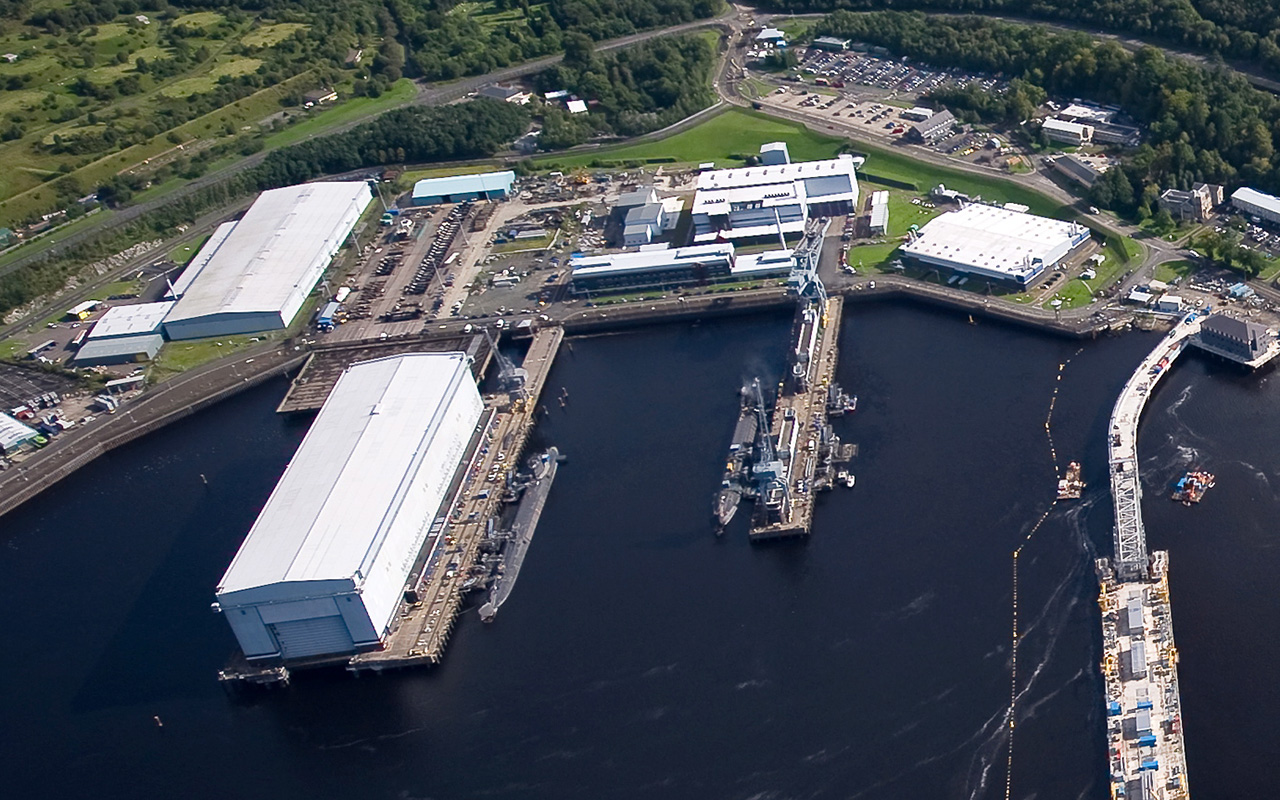
The UK Ministry of Defence has announced a significant step in enhancing submarine maintenance capabilities at HM Naval Base Clyde. A contract valued at £68,890 has been awarded to Beaverfit, a company based in Shropshire, to establish a temporary container-based working facility. This initiative is part of the broader Submarine Maintenance Recovery Plan, aimed at increasing the efficiency and capacity of submarine maintenance across the UK.
The contract entails the procurement, delivery, and installation of an integrated structural solution utilizing eight ISO containers, designed to provide a secure and covered workspace. This facility will be situated near a parking area within the Clyde base, offering additional engineering space while longer-term infrastructure projects are underway. The intent is to enhance maintenance operations as the Royal Navy focuses on improving its submarine fleet’s operational availability.
Enhancing Maintenance Productivity
Launched in January, the Submarine Maintenance Recovery Plan seeks to accelerate the pace and productivity of submarine maintenance across the UK’s submarine enterprise. HM Naval Base Clyde serves as the operational hub for the UK Submarine Service and plays a crucial role in this initiative. During a visit to the base earlier this year, First Sea Lord General Sir Gwyn Jenkins emphasized the urgent need to improve submarine maintenance throughput. He stated, “Submarine maintenance throughput needs to drastically improve. We want to put a radical engine for change in the middle of our enterprise, to recharge and refocus our priorities and get us ready for the warfighting footing we need.”
The recovery plan intends to unify previously fragmented initiatives within the submarine enterprise, fostering improved coordination among Navy Command, the Submarine Delivery Agency, and other defence sectors. One of the initial actions taken under this programme has been the rapid establishment of temporary engineering facilities at Clyde, leading to increased workspace and reduced delays in routine maintenance tasks.
A Strategic Move for Future Readiness
Containerized workshops have already contributed approximately 90 square metres of engineering space at the base, enabling maintenance teams to undertake additional work without waiting for the completion of permanent infrastructure projects. The newly awarded container structure aligns with this objective, providing a covered workspace that can be deployed swiftly while the comprehensive recovery programme continues.
The Submarine Maintenance Recovery Plan is expected to yield significant improvements in maintenance productivity over the coming years. This is particularly important as the Royal Navy prepares for future platforms, including the Dreadnought-class ballistic missile submarines and the SSN-AUKUS attack submarine programme. By enhancing maintenance capabilities now, the Royal Navy aims to ensure that its submarine fleet remains operationally ready for the challenges ahead.











Belfast Gears Up for Vibrant St Patrick’s Day Parade on March 17

Cuba Faces Nationwide Blackout Amid Deepening Energy Crisis

Wirral Council to Restructure Leadership, Cutting Two Top Roles

Rethinking Resistance Training: Key Insights from US Experts

EU Membership on the Horizon: What It Means for Citizens

Ukrainian Drone Swarms Strike Moscow Region for Second Day

Henley Launches Innovative Initiative to Boost Local Economy

Court Ruling Allows Pandemic Tax Refund Claims Until 2026

Sean Penn’s Absence at 2026 Oscars Sparks Discussion

Coronation Street’s Shocking Murder Twist Reveals Family Secrets

Andrew Pierce Confirms Departure from ITV’s Good Morning Britain

Katie Price Faces New Health Concerns After Cancer Symptoms Resurface

Sue Radford Reveals Weight Loss Journey, Shedding 12–13 kg

Kate Garraway Sells £2 Million Home Amid Financial Struggles

Jordan Brook Faces Health Crisis in Hospital as Sophie Kasaei Stays Away

EastEnders’ Nicola Mitchell Faces Unexpected Pregnancy Crisis

Bailey Announces Heartbreaking Split from Rebecca After Reunion

Ann Ming Reflects on ITV’s ‘I Fought the Law’ Drama
-
 World4 months ago
Coronation Street’s Shocking Murder Twist Reveals Family Secrets
-
 Entertainment4 months ago
Andrew Pierce Confirms Departure from ITV’s Good Morning Britain
-
 Health7 months ago
Katie Price Faces New Health Concerns After Cancer Symptoms Resurface
-
 Health3 months ago
Sue Radford Reveals Weight Loss Journey, Shedding 12–13 kg
-
 Entertainment8 months ago
Kate Garraway Sells £2 Million Home Amid Financial Struggles
-
 Entertainment4 weeks ago
Jordan Brook Faces Health Crisis in Hospital as Sophie Kasaei Stays Away
-
 World5 months ago
EastEnders’ Nicola Mitchell Faces Unexpected Pregnancy Crisis
-
 World5 months ago
Bailey Announces Heartbreaking Split from Rebecca After Reunion
-
 Entertainment7 months ago
Ann Ming Reflects on ITV’s ‘I Fought the Law’ Drama
-

 Entertainment2 months ago
Selena Gomez’s Name Linked to Epstein: Examining the Claims
-

 Health7 months ago
TOWIE Stars Sophie Kasaei and Jordan Brook Pursue Fertility Treatment
-

 Health8 months ago
Fiona Phillips’ Husband Shares Heartbreaking Update on Her Health